China-linked network using AI fakes to smear Taiwan election candidates, BBC Verify finds
Source Entity
BBC News
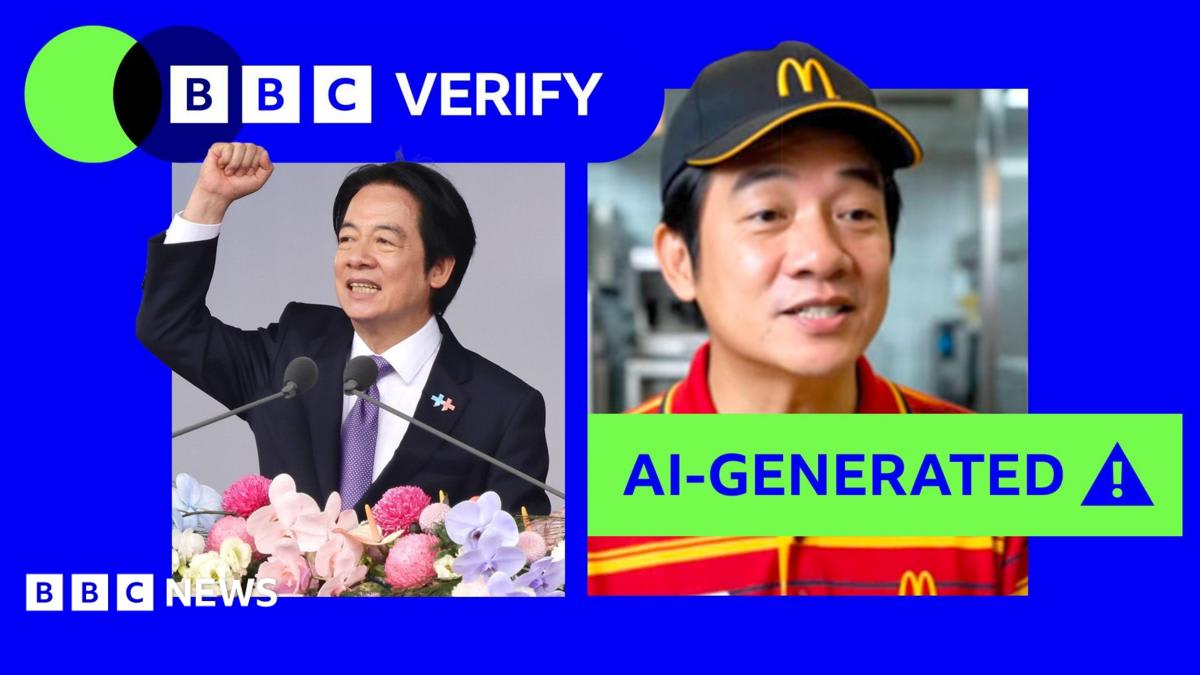
A China-linked network has deployed over 500 AI-generated deepfakes to smear Taiwan’s ruling Democratic Progressive Party. These disinformation tactics target high-profile figures like President Lai Ching-te and candidate Puma Shen to influence upcoming elections.
The Rise of AI-Driven Disinformation in Taiwan
Recent investigations by BBC Verify have uncovered a sophisticated, China-linked influence campaign targeting Taiwan’s political landscape. By deploying over 500 AI-generated videos, this network has systematically attempted to undermine the credibility of the ruling Democratic Progressive Party (DPP). This development marks a significant escalation in the use of synthetic media as a weaponized tool to destabilize democratic processes in the region.
Targeting Leadership and Candidates
The disinformation campaign has focused on high-profile political figures, most notably President Lai Ching-te and mayoral candidate Puma Shen. The videos utilize deepfake technology to fabricate scenarios designed to incite public distrust. Specifically, the network has circulated false claims that President Lai holds a U.S. green card—a narrative intended to paint him as a leader who would abandon Taiwan during a potential military conflict with China. These claims have been categorically refuted by the Taiwanese presidential office, yet they illustrate the malicious intent behind the campaign.
The Mechanics of the Smear Campaign
In addition to attacking the President, the network has targeted Puma Shen, a candidate for mayor of Taipei. By creating deepfakes that purportedly show the candidate using illicit drugs, the perpetrators seek to damage his character and electoral viability. These tactics go beyond traditional political campaigning, moving into the realm of character assassination through high-fidelity artificial media that is increasingly difficult for the average viewer to distinguish from reality.
Strategic Implications for Democracy
This ongoing effort, which has persisted over the last year, is widely viewed by experts as a calculated attempt to sway the outcome of crucial local elections. By flooding the information ecosystem with AI-generated content, the network aims to create a 'liar's dividend,' where the sheer volume of misinformation makes it difficult for voters to discern truth from fabrication. This strategy threatens the integrity of Taiwan's democratic institutions and serves as a blueprint for how authoritarian entities may attempt to influence sovereign elections globally.
Future Trends in Political Warfare
As AI technology becomes more accessible and sophisticated, the threat posed by such networks is expected to grow. The use of synthetic media to ridicule and undermine political opponents represents a new frontier in hybrid warfare. Looking forward, the international community must grapple with the challenge of verifying digital content and protecting the electoral process from external digital interference. The situation in Taiwan serves as a critical case study for election security in the age of generative artificial intelligence, highlighting the urgent need for enhanced media literacy and robust detection tools.