Iranian Singer Parastoo Ahmadi, Team Get 74 Lashes Over YouTube Concert
Source Entity
NDTV News Search Records Found 1000
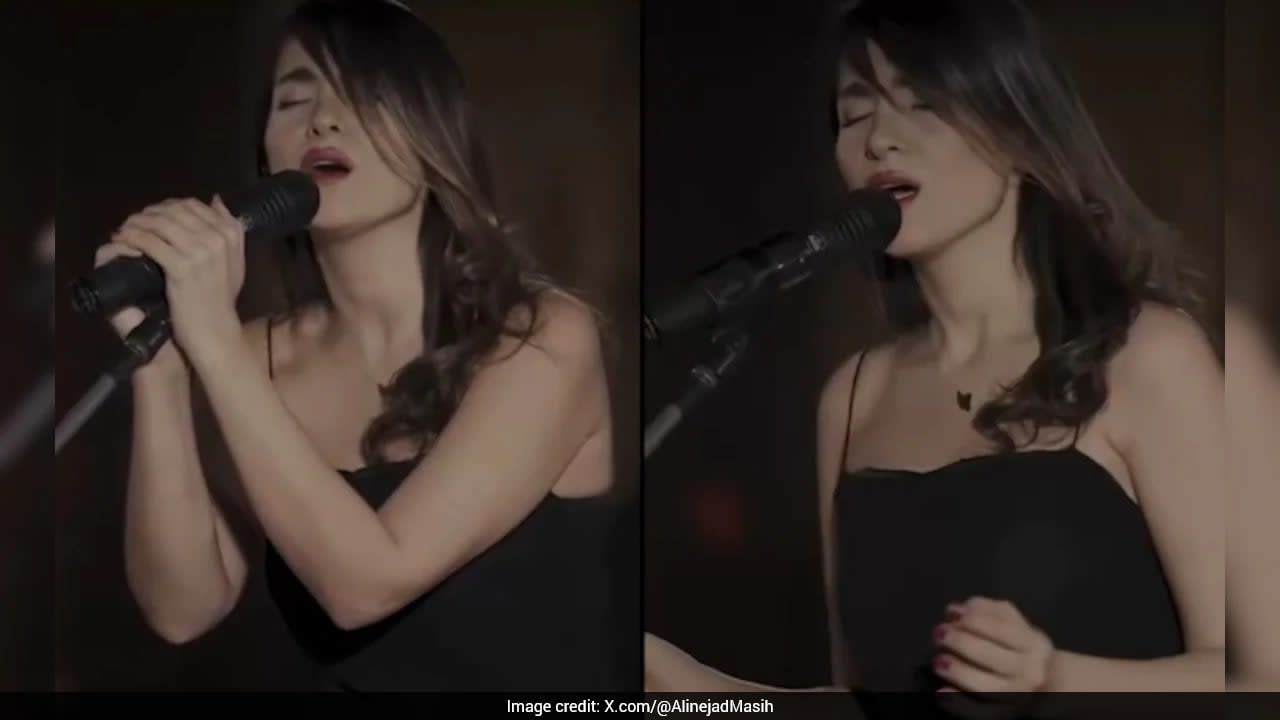
Iranian singer Parastoo Ahmadi and four members of her team were flogged with 74 lashes in Qom for performing without a hijab. The sentencing, upheld by an appeals court, stems from a 2024 YouTube concert and has ignited global outrage regarding artistic freedom and women's rights in Iran.
The Flogging of Parastoo Ahmadi: A Flashpoint for Artistic Freedom
The recent reports confirming that Iranian singer Parastoo Ahmadi and four members of her production team were subjected to 74 lashes in the city of Qom marks a significant escalation in the enforcement of public morality laws in Iran. The punishment, carried out at the Criminal Sentence Enforcement Office, follows a lengthy legal process that began after Ahmadi performed in a livestreamed concert without a hijab. This event serves as a stark reminder of the rigid constraints placed upon female performers and the consequences of challenging traditional mandates under the current Iranian legal framework.
The Legal and Cultural Context of the Incident
At the heart of this controversy is the 'Caravanserai Concert,' a video performance uploaded to YouTube in December 2024. In the recording, filmed at the Deir-e Gachin Caravanserai near Qom, Ahmadi appeared in a sleeveless gown without a headscarf. Under Iranian law, which mandates that women must wear modest clothing and a hijab in public, such a performance—even one filmed without a physical audience—was deemed an act of 'offending public decency.' The subsequent conviction of Ahmadi and eight others by a Qom court in June, later upheld in September, underscores the state's reach into digital spaces and artistic expression.
The Mechanics of Enforcement
The sentencing of 74 lashes is not an isolated incident but part of a systematic approach to maintaining adherence to specific social codes. By targeting both the performer and the production team, the judiciary signaled that the act of facilitating such content is as punishable as the performance itself. The execution of these sentences in Qom, a city of significant religious importance, further emphasizes the authorities' commitment to upholding their interpretation of Islamic law, regardless of the international scrutiny that such actions inevitably attract.
Digital Dissent and Public Outrage
The YouTube video, which garnered over 3.3 million views, highlights the disconnect between state mandates and the consumption habits of the Iranian public. The 'Caravanserai Concert' became a focal point for digital resistance, as the viral nature of the content allowed it to bypass traditional state-controlled media channels. The ensuing outcry on social media is a direct response to the perceived disproportionate nature of the punishment—74 lashes for a musical performance—which many view as an attempt to silence voices that promote women's autonomy and creative liberty.
Broader Implications for Women in Iran
This case is symptomatic of the broader struggle for women's rights within Iran. The legal battle surrounding Ahmadi has reignited debates regarding the fundamental rights of female artists to perform freely. By criminalizing a private performance captured for digital distribution, the state has effectively expanded the definition of 'public decency' to encompass almost any visual representation of women that deviates from established dress codes. This creates a chilling effect on the creative sector, where artists must now weigh their professional aspirations against the risk of corporal punishment.
Future Trends and Conclusion
Looking ahead, it is probable that the Iranian authorities will continue to monitor digital platforms for similar instances of non-compliance. As long as there is a divergence between the artistic aspirations of the youth and the rigid enforcement of morality laws, such confrontations are likely to persist. The case of Parastoo Ahmadi will likely be cited in future discussions regarding human rights, as it provides a clear, documented example of the risks faced by those who choose to express their identity through art in a restrictive environment.
Verification Required?