Footage of Tibet floods isn't being shown in China - and we know little about victims there
Source Entity
BBC News
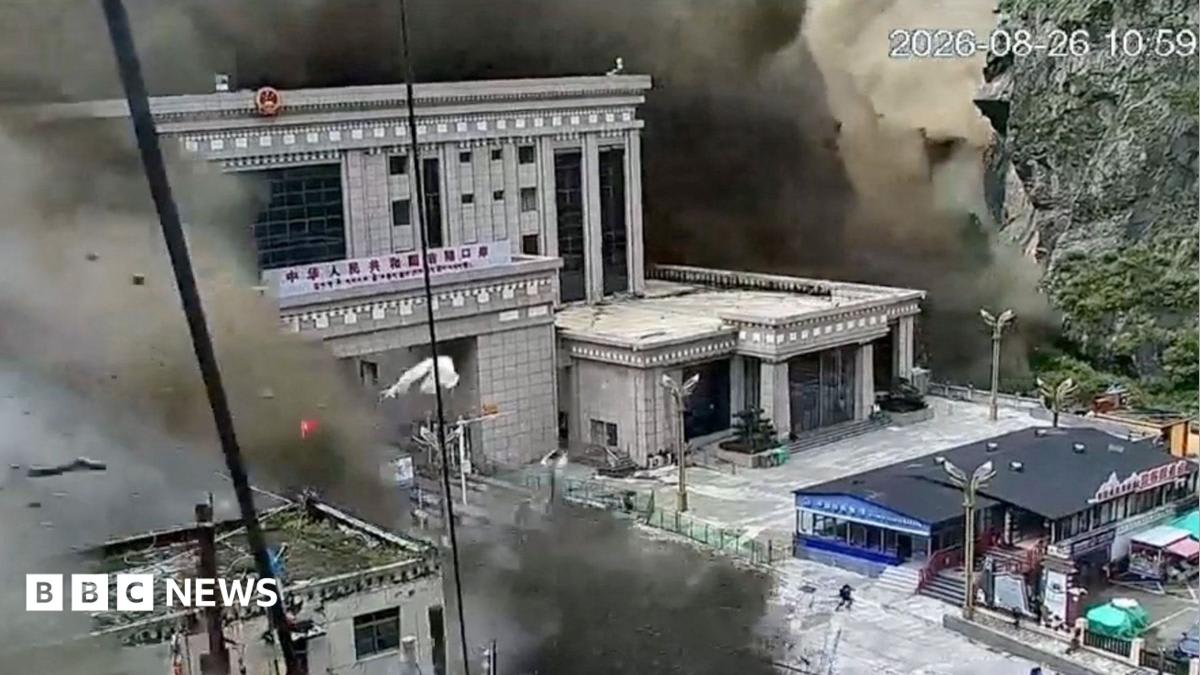
China has officially rejected claims that a man-made dam collapse in Tibet caused devastating floods in Nepal, attributing the disaster to natural geological events. While Nepal alleges a lack of warning, Beijing maintains that an avalanche triggered the mudslides and is now managing risks from a potential barrier lake breach.
Tensions Rise Over Cross-Border Flooding Claims
Recent reports indicate a significant diplomatic friction between China and Nepal following catastrophic flooding in the border regions. At the heart of the dispute is the origin of the destruction: Nepali officials and observers have suggested that the collapse of a "geological disaster dam" on the Chinese side of the border was the primary catalyst for the floods. Beijing has vehemently denied these allegations, labeling them as "fake news" and insisting that the natural environment, rather than infrastructure failure, is to blame.
Disputing the Cause: Natural Disaster vs. Infrastructure Failure
The Chinese embassy in Nepal has provided a counter-narrative, asserting that an earthquake or a similar glacial collapse occurred on the Nepali side of the border on August 26. According to this account, the event triggered massive mudslides that affected both nations near the Gyirong-Rasuwagadhi border. While Nepal has expressed concerns regarding a lack of early warning systems, China maintains that the devastation was an uncontrollable geological event, effectively dismissing the narrative that a man-made dam failure played any role in the tragedy.
The Threat of Barrier Lakes
Adding complexity to the situation is the emergence of a "barrier lake" on the Tibet-Nepal border. Reports confirm that authorities are closely monitoring this formation, with warnings issued regarding its potential to breach within 72 hours. The existence of such lakes—often formed by avalanches of ice and rock—is a common, albeit dangerous, side effect of glacial shifts in high-altitude regions. China has mobilized specialized fire and rescue teams from Beijing to address the stability of this lake, highlighting the volatile nature of the Himalayan landscape.
Diplomatic Implications and Regional Cooperation
The diplomatic fallout of these events is significant. By stating that "accusation helps nothing," the Chinese embassy is signaling a desire to shift the focus from blame to disaster management. However, the lack of a unified cross-border warning mechanism remains a point of contention for Nepal, which suffered significant casualties and missing persons. The incident underscores the fragility of regional infrastructure and the vital need for shared data in managing transboundary water and geological hazards.
Future Trends in Transboundary Risk Management
Moving forward, this event serves as a stark reminder of the risks posed by climate-induced glacial instability in the Himalayas. As glacial lake outburst floods (GLOFs) become more frequent, the pressure on neighboring countries to harmonize their early warning systems will likely increase. The current dispute highlights a critical gap in regional cooperation, where the lack of transparent, real-time data exchange often leads to misinformation and diplomatic tension during humanitarian crises.
Conclusion
While the immediate focus remains on preventing a catastrophic breach of the barrier lake, the broader narrative is one of competing explanations for a tragic loss of life. Whether the disaster was triggered by a geological dam collapse or an avalanche, the incident underscores the vulnerability of border regions to environmental phenomena. Long-term stability in the Gyirong-Rasuwagadhi region will depend on whether both nations can move past the current blame game and establish a collaborative framework for monitoring and responding to future geological threats.
Multiple Citing Sources