How China helped arm Iran before Trump rolled out the red carpet for Xi
Source Entity
PRISHA PATNAIK
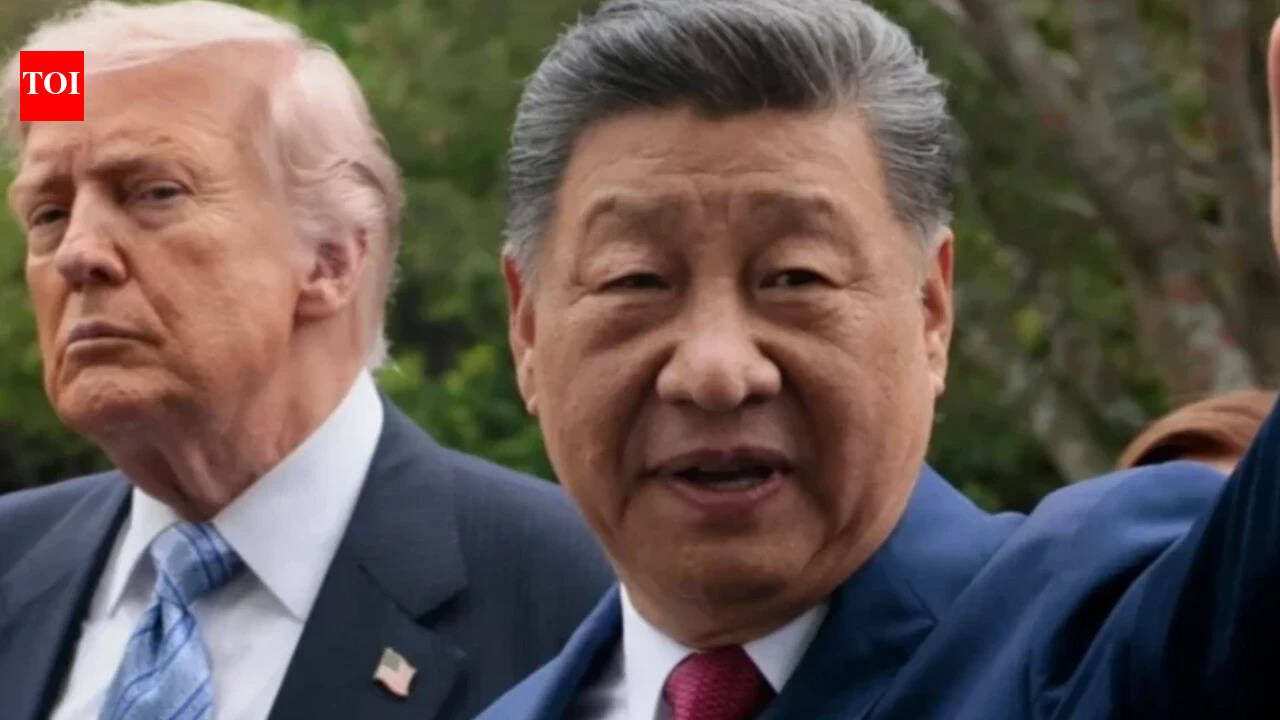
China is significantly expanding its nuclear infrastructure across seven key sites, with current estimates reaching 620 warheads. Simultaneously, reports highlight a contradictory foreign policy as China deepens military support for Iran despite its claims of acting as a global peace mediator.
The Dual Facets of China’s Strategic Expansion
Recent investigations utilizing satellite imagery and expert analysis have uncovered a significant acceleration in China’s nuclear weapons infrastructure. With construction and upgrades verified across seven strategic locations—including Pingtong, Zitong, and the testing grounds at Lop Nur—the scope of this expansion suggests a comprehensive modernization effort. The Federation of American Scientists’ 2026 Nuclear Notebook estimates China’s stockpile at approximately 620 warheads, a figure that highlights the country’s intent to bolster its delivery systems and deterrent capabilities.
The Infrastructure of Modernization
The identified sites, ranging from Jinta to Mianyang, indicate that this buildup is not limited to mere missile deployment. Instead, the upgrades touch upon the entire lifecycle of nuclear weaponry, including research, testing, and production facilities. While Chinese officials continue to maintain that their nuclear strategy remains rooted in a 'no-first-use' policy and a defensive posture, the scale of these structural investments suggests a desire to achieve a level of strategic parity that matches its growing role as a global superpower.
Geopolitical Contradictions: The Iran Connection
Parallel to its nuclear program, China’s foreign policy is facing intense scrutiny due to its deepening military support for Iran. Despite presenting itself as a diplomatic mediator and a voice for regional stability, evidence of increased military component deliveries and a surge in cargo flights by Chinese airlines to Iran paints a different picture. This military backing complicates the international perception of China’s neutrality, particularly as it navigates tense diplomatic exchanges with the United States.
The Diplomatic Dilemma
The juxtaposition of China’s diplomatic overtures and its material support for Iran creates a significant challenge for Western powers. Reports indicate that even while high-level summits—such as those between President Xi Jinping and President Donald Trump—attempt to foster a sense of cooperative diplomacy, the background reality involves a steady flow of support for actors opposed to Western interests. This 'double-track' approach, where Beijing signals peace while fueling military capabilities, creates a volatile environment for global security.
Future Trends and Global Implications
Looking ahead, the combination of a rapidly expanding nuclear arsenal and the strategic arming of international partners suggests that China is moving toward a more assertive global stance. As satellite technology continues to provide unprecedented transparency into these formerly opaque programs, the international community will likely face increased pressure to address these developments. The core tension remains: can China maintain its narrative of a defensive, peace-oriented policy while its material actions suggest a significant shift toward military dominance? The coming years will likely see these contradictions become central to U.S.-China relations and broader global security dialogues.