India's stake in Germany's far-Right turn
Source Entity
Latest News: Todays Latest News Headlines from India & World | Hindustan Times | Hindustan Times
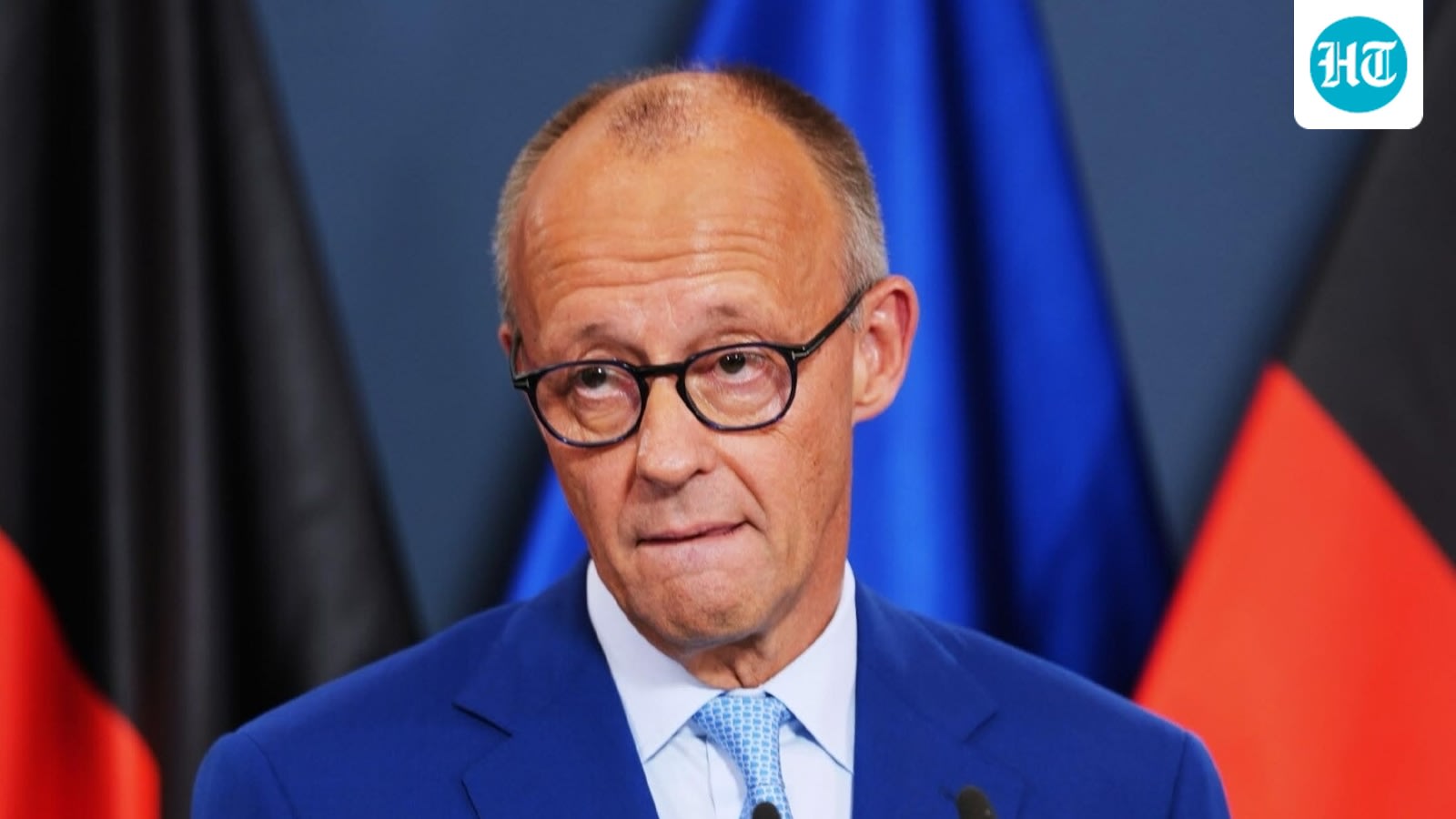
Recent elections in Germany have yielded polarized results, with the far-Left winning in Berlin and the far-Right AfD gaining significant ground in Mecklenburg-Western Pomerania. Indian expatriates in Germany are currently observing this political volatility with a notable sense of detachment.
The Shifting Political Landscape of Germany and the Indian Diaspora
Germany recently concluded a complex electoral process that has sent shockwaves through its political establishment. With voters heading to the polls twice on a single Sunday, the country experienced two divergent outcomes that highlight a deepening ideological divide. While the far-Left party Die Linke secured a dominant position in Berlin—surpassing both the governing Christian Democrats under Chancellor Friedrich Merz and the far-Right Alternative for Germany (AfD)—the situation in Mecklenburg-Western Pomerania told a different story. There, the AfD achieved an outright victory, effectively displacing the long-standing Social Democratic Party.
The Phenomenon of Expatriate Detachment
Central to this analysis is the response of the Indian community, which numbers approximately 300,000 residents, including students and professionals. As noted by Amit Kumar Sharma of Jawaharlal Nehru University, there is a pervasive sense of 'curious detachment' among these individuals. Despite being directly affected by the socio-political environment of their host country, many Indians appear to view these electoral shifts as external events that do not concern their own community or future stability in Germany.
Historical Context and Political Polarization
This detachment is particularly striking given Germany's historical sensitivity to political extremism. The rise of the AfD in specific regions suggests a resurgence of nationalist sentiment that historically necessitates close scrutiny from immigrant populations. The dual nature of the election results—a stronghold for the far-Left in the capital versus a far-Right triumph in the north—illustrates a fractured electorate struggling to reconcile economic anxieties with shifting cultural identities.
Analyzing the Impact of the AfD's Success
The victory of the AfD in Mecklenburg-Western Pomerania represents a significant challenge to the mainstream political consensus. For the Indian diaspora, the rise of a party whose platform often challenges current migration and integration policies should theoretically be a matter of primary concern. However, the current trend of viewing these developments with detachment may be reflective of a broader migrant experience where focus remains strictly on professional and academic integration rather than political engagement.
Future Trends and the Need for Engagement
Looking forward, the persistence of these polarized results suggests that Germany will face significant legislative gridlock and social friction. As Chancellor Merz navigates the challenges posed by both the far-Left and the far-Right, the role of the immigrant community in German civil society will become increasingly critical. If the Indian diaspora continues to maintain its current level of detachment, it risks being marginalized as political discourse in Germany inevitably shifts toward more nationalist or protectionist rhetoric.
Conclusion
The dual electoral outcomes in Berlin and Mecklenburg-Western Pomerania serve as a microcosm of a country in flux. While the Indian community remains largely insulated for now, the evolving political landscape suggests that active engagement will eventually become a necessity for those seeking to secure their long-term presence in Germany. The 'curious detachment' observed today may soon give way to the realities of a changing political climate.
Verification Required?