‘Trump Strait’: US President renames Hormuz after rejecting 7-day ceasefire offer
Source Entity
ROHITASHWA RANJAN
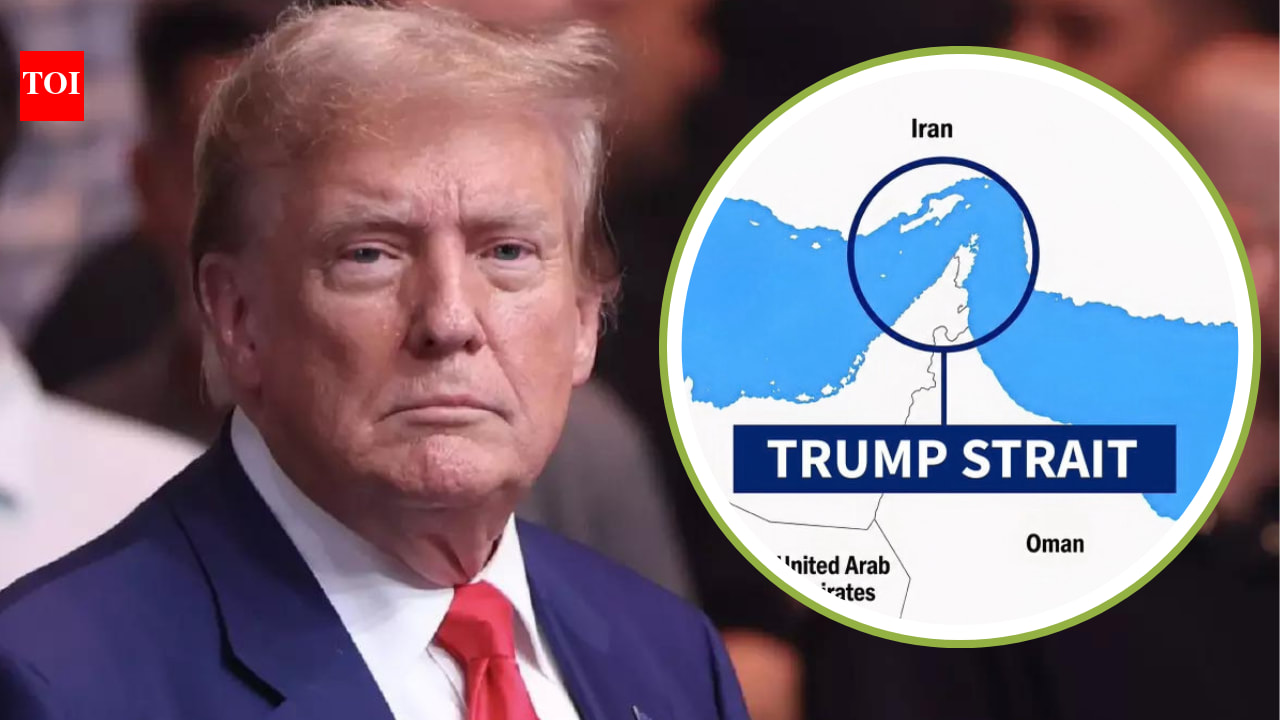
Iran has proposed a seven-day plan to reopen the Strait of Hormuz in exchange for sanctions relief and a ceasefire, but President Trump has rejected the offer. The situation remains volatile as the US continues to prioritize the dismantling of Iran's nuclear program.
The Strategic Standoff: Iran's Seven-Day Proposal
In a high-stakes diplomatic maneuver, Iranian Foreign Minister Abbas Araghchi has presented the United States with a seven-day plan aimed at reopening the strategically vital Strait of Hormuz. This proposal, which seeks to de-escalate current maritime tensions, is contingent upon the United States lifting its naval blockade on Iranian ports, waiving sanctions on Iranian oil exports, and adhering to a broader ceasefire that includes conflict zones in Lebanon. The proposal is explicitly modeled after a memorandum of understanding (MOU) from June, which previously attempted to establish a ceasefire before the diplomatic framework collapsed.
The US Response and Political Hurdles
Despite the mediation efforts involving countries like Qatar, the administration of President Donald Trump has formally rejected the Iranian offer. Reports indicate that President Trump remains steadfast in his demand that Iran must completely abandon its nuclear ambitions as a prerequisite for any meaningful de-escalation. Furthermore, the political landscape in Washington is heavily influenced by the upcoming midterm elections, with reports suggesting that the administration expects to resume military operations against Iran following the electoral cycle, reflecting a preference for continued pressure over immediate negotiation.
The Strategic Importance of the Strait of Hormuz
The Strait of Hormuz serves as the world's most significant "chokepoint" for global oil transit. By offering to reopen the waterway, Iran is effectively utilizing its geographical leverage as its primary bargaining tool. The current naval blockade has severely throttled the Iranian economy, making the removal of these maritime restrictions a non-negotiable demand for Tehran. The volatility of this region is further exacerbated by the ongoing conflict in Yemen, which complicates any unilateral attempt to secure the maritime corridor, as regional proxies continue to influence the security environment of the Gulf.
Internal Divisions and Regional Complications
Iran is currently navigating a period of significant internal debate regarding its diplomatic trajectory. The tension between hardline factions and those advocating for a negotiated settlement is palpable, as the leadership weighs the economic benefits of sanctions relief against the perceived loss of sovereignty. These internal divisions are compounded by the aggressive posture of the United States and Israel, following the February 28 air strikes and subsequent Iranian retaliatory attacks on regional bases. The failure of the June agreement looms large over current discussions, casting doubt on whether any new memorandum can hold under the current climate of mutual distrust.
Future Trends and Outlook
Looking ahead, the impasse suggests a continued period of instability. With the US rejecting the ceasefire and signaling a commitment to military action, the prospects for a diplomatic breakthrough appear dim. The reliance on indirect mediation through third-party nations like Qatar highlights the lack of direct communication channels. Unless there is a significant shift in the fundamental demands—specifically regarding Iran's nuclear program and the US maritime blockade—the Strait of Hormuz will likely remain a flashpoint for potential escalation, with regional security remaining inextricably linked to the broader conflict between Tehran and Washington.
Multiple Citing Sources