Ladakh integral part of India, Chinese denial cannot change fact: MEA
Source Entity
Latest News: Todays Latest News Headlines from India & World | Hindustan Times | Hindustan Times
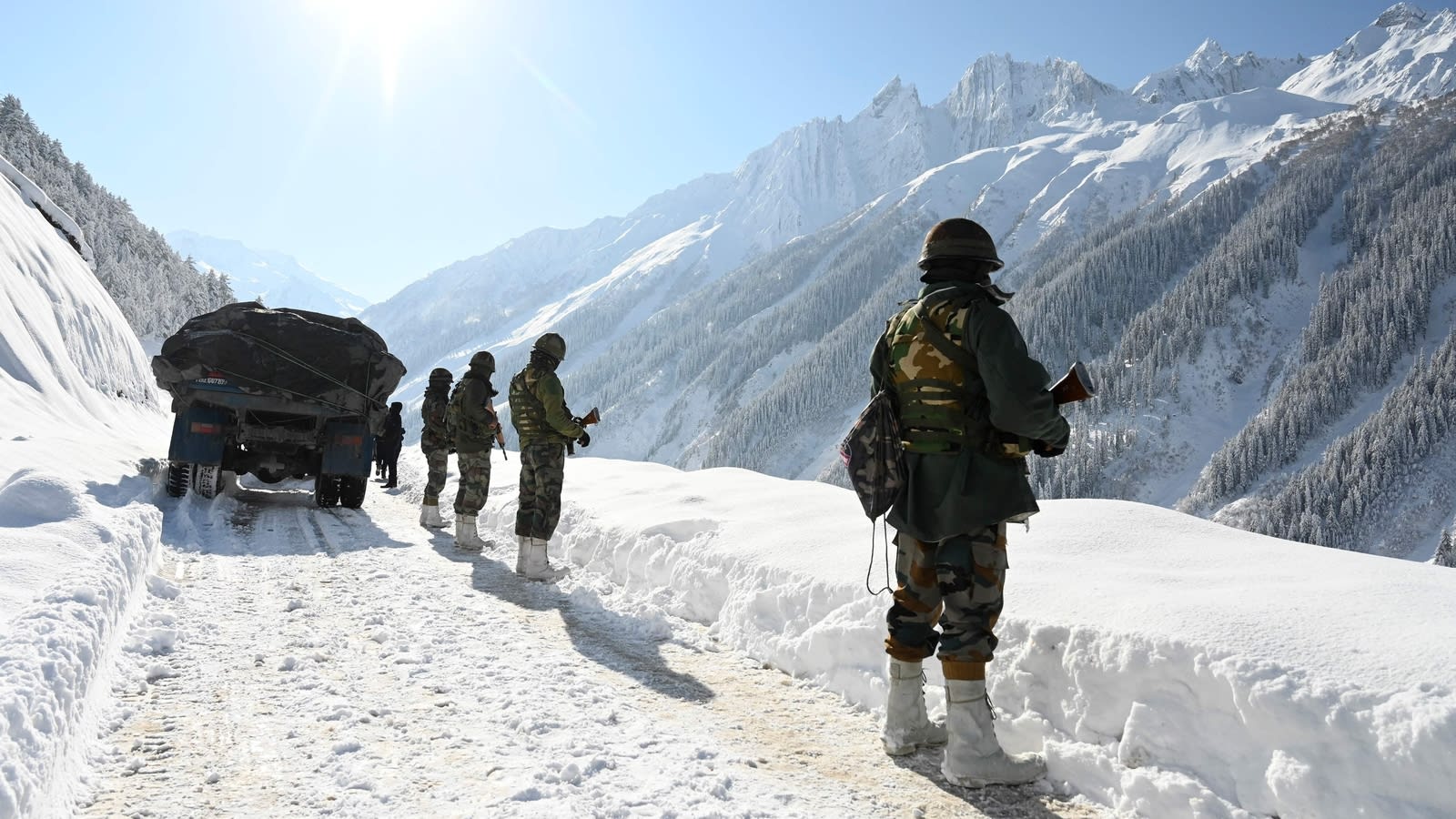
China has formally opposed India's decision to standardize the names of 28 strategic locations in Ladakh, labeling the move illegal. India has firmly rejected this stance, asserting that Ladakh is an inalienable part of its territory and that the naming process is a sovereign matter.
Tensions Escalate Over Ladakh Toponymy
On October 13, 2026, a fresh diplomatic rift emerged between India and China following New Delhi's decision to assign standardized names to 28 strategic locations and geographical features within the Union Territory of Ladakh. This administrative move, coordinated by the Ministry of Home Affairs in consultation with local stakeholders and the Survey of India, was intended to formalize map data for administrative clarity. However, the action has triggered a sharp rebuke from Beijing, which continues to challenge the legitimacy of the region's status.
China’s Diplomatic Rejection
Chinese Foreign Ministry spokesperson Mao Ning responded to the announcement by reiterating Beijing’s long-standing refusal to recognize the Union Territory of Ladakh. Describing the creation of the UT as "unilaterally and illegally established," Beijing firmly opposed the standardization of these names. China maintains that the western sector of the China-India boundary remains a contested area and argues that India’s domestic administrative actions cannot alter the sovereign status of the territory, a claim it has consistently leveled against Indian infrastructure and administrative developments in the region.
India’s Firm Rebuttal
In response to the Chinese Foreign Ministry’s remarks, the Indian Ministry of External Affairs (MEA), through spokesperson Randhir Jaiswal, issued a resolute statement. The MEA dismissed the Chinese objections as irrelevant, emphasizing that the Union Territory of Ladakh is an "integral and inalienable part of India." The government maintained that the standardization of names is a sovereign exercise, noting that the move is "self-explanatory" and based on official mapping processes conducted by the Survey of India.
Contextualizing the Border Dispute
This incident is the latest chapter in the long-standing border tensions between the two nuclear-armed neighbors. The western sector of the border, specifically in Ladakh, has been a flashpoint for years. By standardizing names, India is asserting administrative control and transparency over its border regions. Conversely, China views such moves as provocations that complicate the already fragile status quo along the Line of Actual Control (LAC).
Broader Geopolitical Implications
This diplomatic friction highlights the difficulty of resolving the India-China border issue. As both nations continue to bolster their presence in high-altitude regions, administrative measures—such as naming features or developing infrastructure—are increasingly viewed through the lens of national security. The refusal of either side to cede ground on the territorial status of Ladakh suggests that diplomatic discourse will remain strained for the foreseeable future.
Future Trends and Outlook
Looking ahead, it is likely that both nations will continue to use administrative and diplomatic tools to signal their sovereignty over disputed sectors. India’s commitment to internal administrative mapping is expected to continue, while China will likely maintain its pattern of vocal opposition. As both countries navigate these challenges, the reliance on official, standardized mapping will remain a critical, albeit contentious, aspect of their territorial governance and bilateral relations.
Multiple Citing Sources
Verification Required?