Trump is done with Zelensky, moves to shield Russia’s energy sites from Ukrainian strikes?
Source Entity
Latest News: Todays Latest News Headlines from India & World | Hindustan Times | Hindustan Times
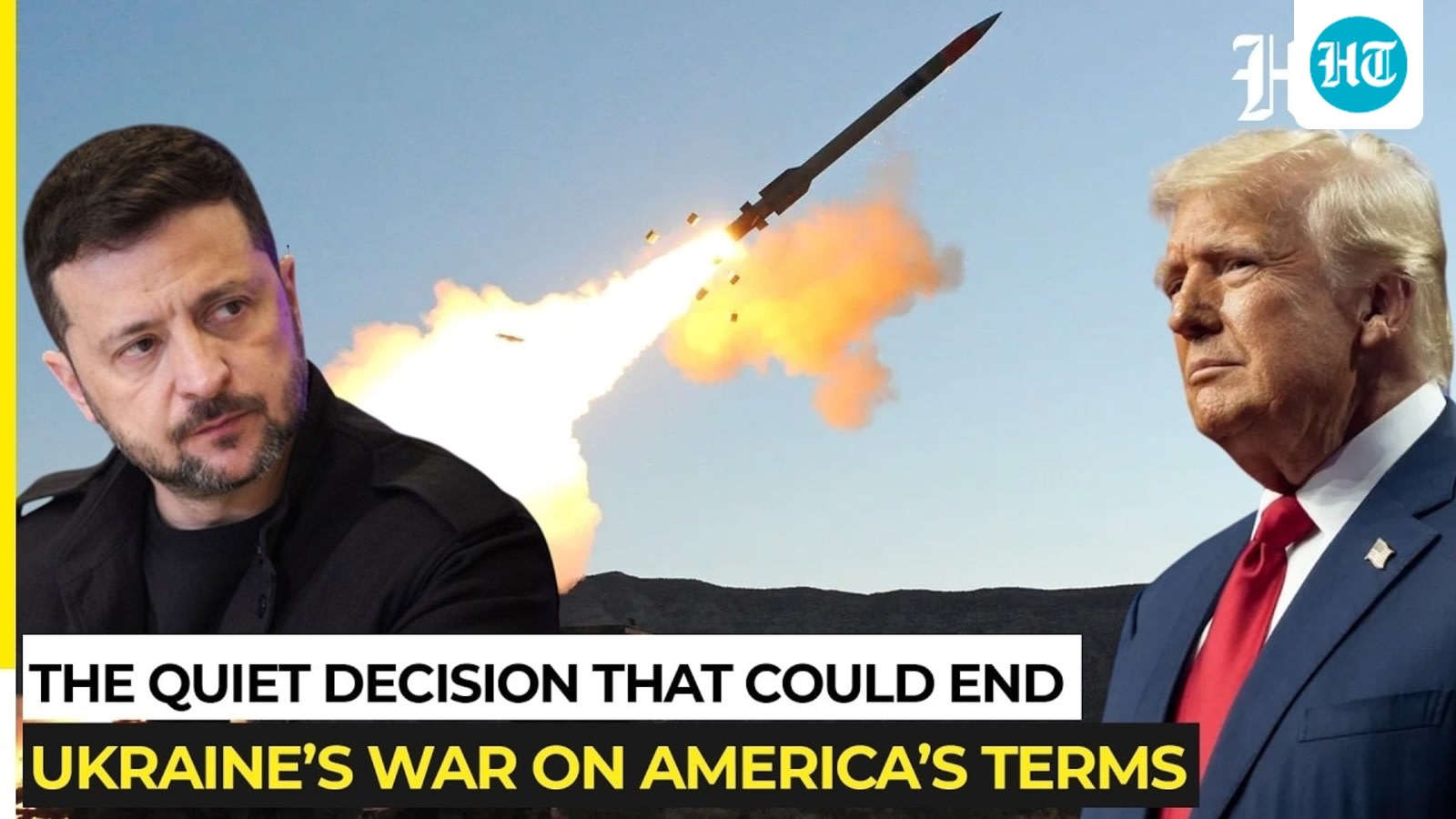
Donald Trump has publicly criticized Ukrainian President Volodymyr Zelenskyy following a controversial deal involving the release of Russian diesel. Zelenskyy condemned the arrangement, arguing it provides financial support for Moscow's ongoing war efforts.
Tensions Escalate: Trump Challenges Zelenskyy's Leadership
The recent public rhetoric from Donald Trump, calling for a change in Ukrainian leadership, signals a significant fracture in the geopolitical discourse surrounding the ongoing conflict in Eastern Europe. By stating, "It's time for Ukraine to get a new president," Trump has directly targeted Volodymyr Zelenskyy, escalating personal and political tensions that have long simmered beneath the surface of US-Ukraine diplomatic relations.
The Catalyst: The Russian Diesel Deal
At the heart of this confrontation lies a newly reported agreement involving the release of Russian diesel into the United States. While the details of this deal remain a point of contention, its existence marks a shift in how energy markets and geopolitical sanctions interact. Trump has framed this development as a successful negotiation, yet it has immediately drawn sharp criticism from the Ukrainian administration, which views the deal as a strategic failure for Western efforts to isolate the Russian economy.
Zelenskyy’s Opposition and Financial Concerns
President Zelenskyy has openly condemned the diesel arrangement, articulating a clear concern regarding its broader implications: the funding of the Russian military machine. By facilitating the movement of Russian energy products, Zelenskyy argues that the international community is inadvertently providing the Kremlin with the capital necessary to sustain its war efforts. This disagreement highlights the complex balancing act between domestic energy security in the U.S. and the global imperative to weaken the Russian state through economic sanctions.
Geopolitical Implications of the Rift
This public spat underscores a growing divergence in priorities between the current Ukrainian government and segments of American political discourse. Trump's willingness to pursue energy deals involving Russian exports stands in direct opposition to the Ukrainian government's "total isolation" strategy. This friction creates a volatile diplomatic environment, potentially affecting future military and financial aid packages that are vital for Ukraine’s defense operations.
Historical Context and Future Trends
Historically, the relationship between the U.S. and Ukraine has been defined by a bipartisan commitment to sovereignty, but this recent exchange suggests that future trends may be defined by a more transactional approach to foreign policy. If energy deals with sanctioned nations become a normalized feature of U.S. policy, it could fundamentally alter the efficacy of the current sanctions regime. Analysts will be watching closely to see if this rhetoric translates into a formal shift in U.S. foreign policy or if it remains a tool of domestic political maneuvering.
Concluding Summary
The intersection of energy policy and international conflict has rarely been as starkly illustrated as in this exchange. By linking the release of Russian diesel to a demand for new leadership in Ukraine, the debate has transcended simple policy disagreement, evolving into a fundamental clash over the future direction of the war and the role of the United States in the global energy market.
Multiple Citing Sources
Verification Required?