How Nvidia Spy Scandal Exposes Singapore's Role In Advanced AI Chips Trade
Source Entity
NDTV News Search Records Found 1000
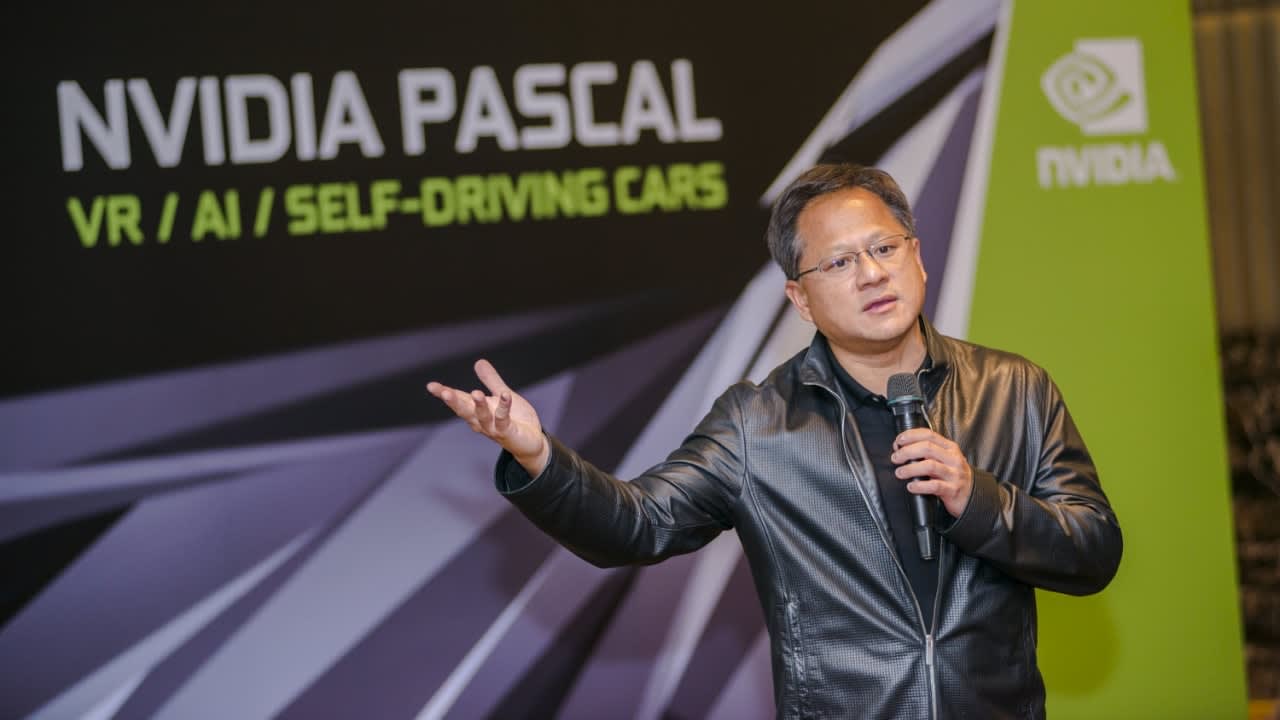
Chinese AI firms are racing to secure remote access to Nvidia chips at overseas data centers amid fears of tighter US export controls. This scramble follows a recent spy scandal that has highlighted vulnerabilities in the current chip trade landscape.
The Geopolitical Scramble for AI Compute
The landscape of artificial intelligence development in China is currently defined by a high-stakes race to secure computational power. As US export controls restrict the direct sale of Nvidia’s most advanced AI chips to Chinese entities, major Chinese cloud providers and AI firms are seeking alternative pathways. Recent reports indicate that these firms are actively exploring methods to lock in overseas Nvidia chip capacity, effectively bypassing hardware bans by renting computing power remotely through foreign data-center operators.
The Role of Regulatory Loopholes
At the heart of this tension lies a critical gap in current US trade policy. While Washington has imposed strict prohibitions on the export of cutting-edge processors to safeguard its technological hegemony, the current framework does not explicitly prevent Chinese firms from accessing the same hardware via remote cloud services. This dynamic has turned global data-center hubs into strategic battlegrounds where the enforcement of technology transfer regulations is tested against the realities of globalized, cloud-based infrastructure.
Singapore as a Focal Point
Recent revelations regarding a potential spy scandal have cast a spotlight on the role of third-party jurisdictions, specifically Singapore, in this ecosystem. Because Singapore does not prohibit the transfer or utilization of advanced AI chips by Chinese firms, it has become a critical node in the supply chain of AI compute. The intersection of these trade policies with national security concerns suggests that the current status quo may be unsustainable as Washington seeks to close these remaining regulatory gaps.
Strategic Implications for Chinese AI
For Chinese technology companies, the ability to access high-end Nvidia processors is an existential requirement for training large-scale language models and maintaining competitive parity in the global AI race. The internal discussions at major Chinese cloud firms to secure long-term capacity highlight a deep-seated anxiety regarding future US policy shifts. These companies are operating under the assumption that the window for 'renting' rather than 'owning' such power may soon close.
Future Trends and Market Volatility
Looking ahead, the industry should expect increased scrutiny from US regulators regarding how cloud providers manage their infrastructure and client base. If Washington moves to restrict remote access to compute, the operational costs for Chinese AI firms will likely skyrocket, forcing a pivot toward domestic hardware alternatives or a significant deceleration in model development. This cat-and-mouse game between technological necessity and national security policy will remain a defining feature of the global semiconductor market for the foreseeable future.
Verification Required?