8 sons, 5 daughters: Why this Chinese couple raised 13 children despite financial struggles
Source Entity
The Indian Express
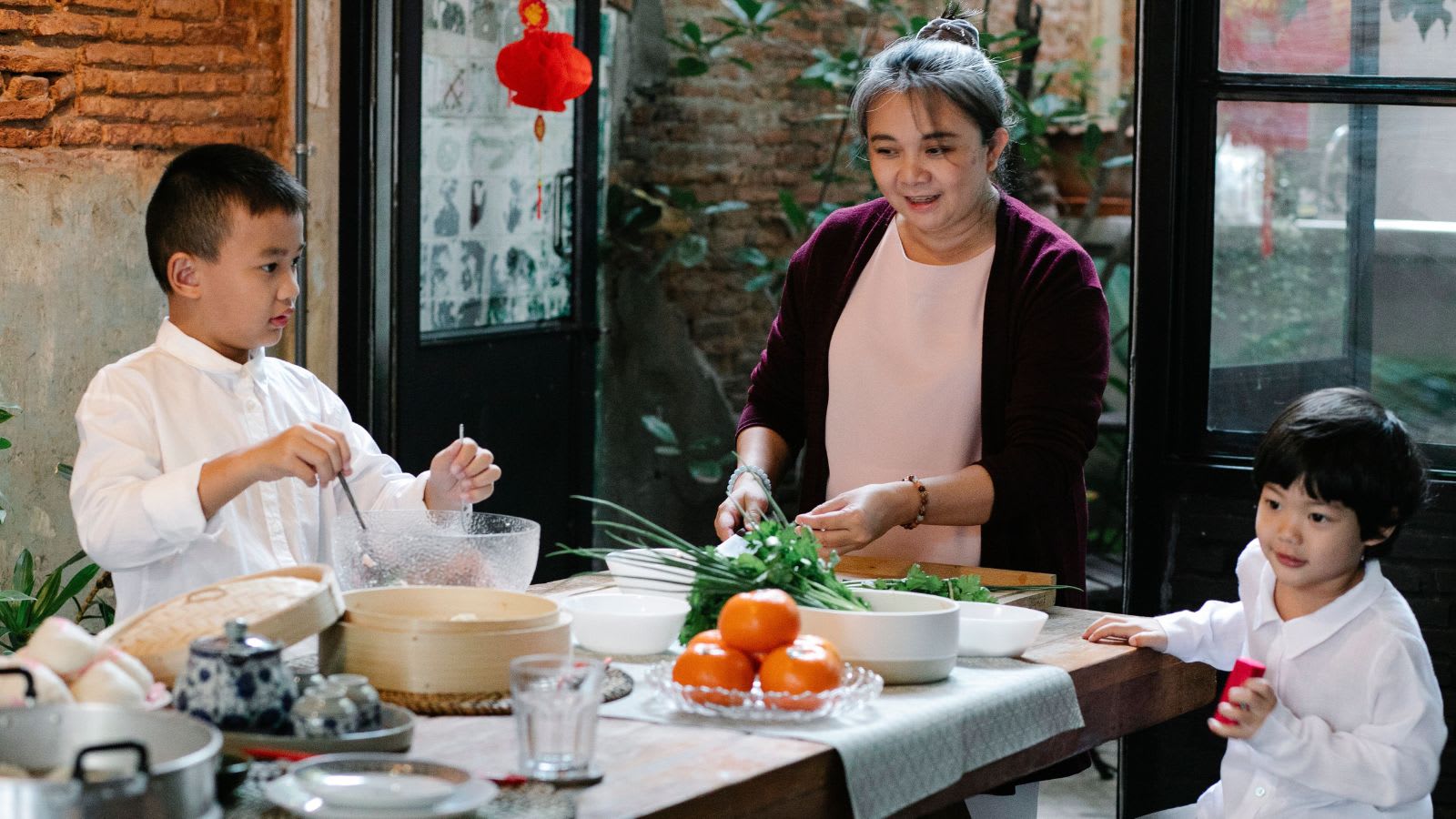
A couple in rural China has gained national attention for raising 13 children amidst the country's broader demographic crisis. This case highlights the stark contrast between individual family choices and China's national efforts to reverse a declining birth rate.
The Demographic Paradox: A Case Study in Rural China
In a nation currently fixated on reversing a downward demographic trend, the story of a couple in Qinzhou, Guangxi Zhuang Autonomous Region, has captured significant public interest. Huang, 49, and his 42-year-old wife have raised a family of 13 children—eight sons and five daughters—over the course of their 22-year marriage. This unusually large household stands in sharp contrast to the national average, serving as a rare outlier in a country that has spent decades enforcing strict family planning policies and is now struggling with a rapidly aging population.
Historical Context and Shifting Policies
For decades, China enforced a strict 'one-child policy' to curb population growth, fundamentally altering the country's social fabric and family structures. However, as the economic landscape shifted and the population began to shrink, the government transitioned to a two-child and eventually a three-child policy. Despite these legislative changes, many Chinese families have remained hesitant to have more children due to the high costs of education, healthcare, and housing. The Huang family’s decision to have 13 children suggests a traditional approach to family size that persists in certain rural pockets, contrasting with the urbanized trend of delayed marriage and childbearing.
The Socio-Economic Reality of Large Families
Raising 13 children in a rural setting presents immense financial and logistical challenges. With their children ranging from a 22-year-old married daughter to a two-year-old toddler, the parents have navigated two decades of economic pressure. The family structure—comprising eight sons and five daughters—reflects a complex distribution of responsibilities. While the eldest daughter has already entered adulthood, other children remain in the education system, with the second daughter currently in university and the 18-year-old eldest son attending high school.
Broader Implications for China's Birth Rate
The viral nature of this story on social media highlights the public's fascination with the extreme end of the reproductive spectrum in China. As the state grapples with a declining birth rate and a shrinking labor force, the Huang family represents a demographic anomaly. While the government encourages families to have more children to secure the nation's economic future, the reality for most citizens remains constrained by the rising costs of living, making large households like the Huangs' increasingly rare and difficult to sustain.
Future Trends and Societal Outlook
Looking ahead, it is unlikely that the Huang family's experience will trigger a widespread shift in national reproductive behavior. The structural barriers—such as the intense pressure on children to succeed academically and the financial burden of raising them—remain significant deterrents for the majority of the population. While the government continues to introduce incentives, the divide between rural traditionalism and modern economic constraints will likely continue to define the discourse on China's population future. The case of this family serves as a poignant reminder of the individual choices made in the shadow of shifting national policies.