Derision at US chain Chipotle’s plan to sell its Mexican food in Mexico
Source Entity
Oscar Lopez in Mexico City
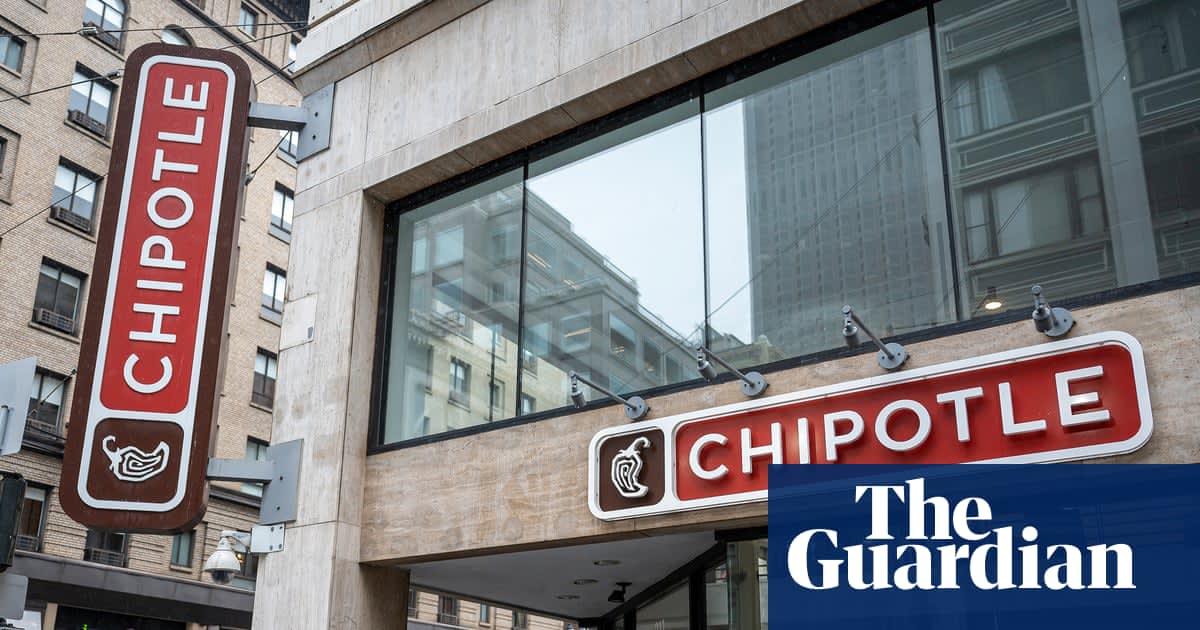
Chipotle Mexican Grill is facing significant ridicule and skepticism from local residents after announcing the opening of its first outlet in Monterrey, Mexico. Locals have mocked the move of a US-based chain selling its version of Mexican cuisine in the food's country of origin.
The Irony of Expansion: Chipotle's Bold Entry into Mexico
Chipotle Mexican Grill, a titan of the US fast-casual dining industry, has announced a strategic expansion into Mexico, beginning with a first location in Monterrey. While the company views this as a "significant milestone" in its global growth strategy, the announcement has been met with widespread derision and skepticism from the Mexican public. The core of the controversy lies in the inherent irony of a brand that has built a multi-billion dollar empire on a stylized, Americanized version of Mexican food attempting to sell that same product to the originators of the cuisine.
The Cultural Dissonance of 'Mexican-Inspired' Food
The backlash, exemplified by a social media user comparing the move to "a dog teaching a duck to fly," highlights a deep cultural dissonance. In the United States, Chipotle has successfully marketed a streamlined, customizable experience that simplifies complex Mexican flavors for a mass audience. However, authentic Mexican cuisine is a diverse, UNESCO-recognized intangible cultural heritage. By entering the Mexican market, Chipotle is no longer competing against other US fast-food chains, but against a millennia-old culinary tradition. This creates a unique branding challenge: does Chipotle market itself as an "authentic" experience—which would be viewed as delusional—or as an "Americanized" experience, which may be viewed as an unwelcome imitation?
Strategic Rationale and Market Selection
From a business perspective, the choice of Monterrey for the first launch is likely calculated. As a major industrial hub with strong economic ties to the United States and a population accustomed to North American business trends, Monterrey represents a lower-risk entry point than Mexico City. Chipotle's goal is likely to capitalize on the global recognition of its brand name and the efficiency of its operational model. With over 4,000 locations worldwide, the company is seeking new growth vectors as the US market reaches saturation. The "milestone" mentioned by the company reflects a desire to prove that its business model is portable and that its brand equity transcends national borders.
The Risk of Cultural Appropriation vs. Globalization
This expansion brings to the forefront the ongoing debate regarding cultural appropriation in the food industry. When a US company profits from the aesthetics and flavors of another culture and then attempts to export that modified version back to the source, it often triggers a defensive nationalistic response. The "anger" reported among locals suggests that this is not merely a matter of taste, but of identity. For many Mexicans, the act of selling a simplified version of their national dish back to them feels like a corporate erasure of the complexity and history of their culinary heritage.
Predicting the 'Glocalization' Outcome
Moving forward, Chipotle's success in Mexico will depend on its ability to implement a "glocalization" strategy—adapting its global brand to local tastes. If the company insists on the exact same menu and branding used in the US, it risks becoming a novelty act or, worse, a symbol of corporate arrogance. However, if they can pivot to incorporate more authentic local ingredients and acknowledge the distinction between their "Tex-Mex" style and traditional Mexican food, they may find a niche among urban consumers who enjoy the convenience of the fast-casual format regardless of the food's origin.
Conclusion: A High-Stakes Brand Experiment
Ultimately, Chipotle's venture into Mexico is a high-stakes experiment in brand elasticity. While the initial reaction has been one of bemusement and mockery, the actual commercial success will be determined by whether the convenience and consistency of the Chipotle experience can outweigh the cultural irony of its menu. This move serves as a cautionary tale for other US-based "ethnic" food chains: when expanding into the home territory of the culture you emulate, the brand's perceived authenticity is no longer a marketing tool, but a critical vulnerability.