Chirag Paswan hits back at Rahul Gandhi’s caste discrimination remarks
Source Entity
India Latest News: Top National Headlines Today & Breaking News | The Hindu
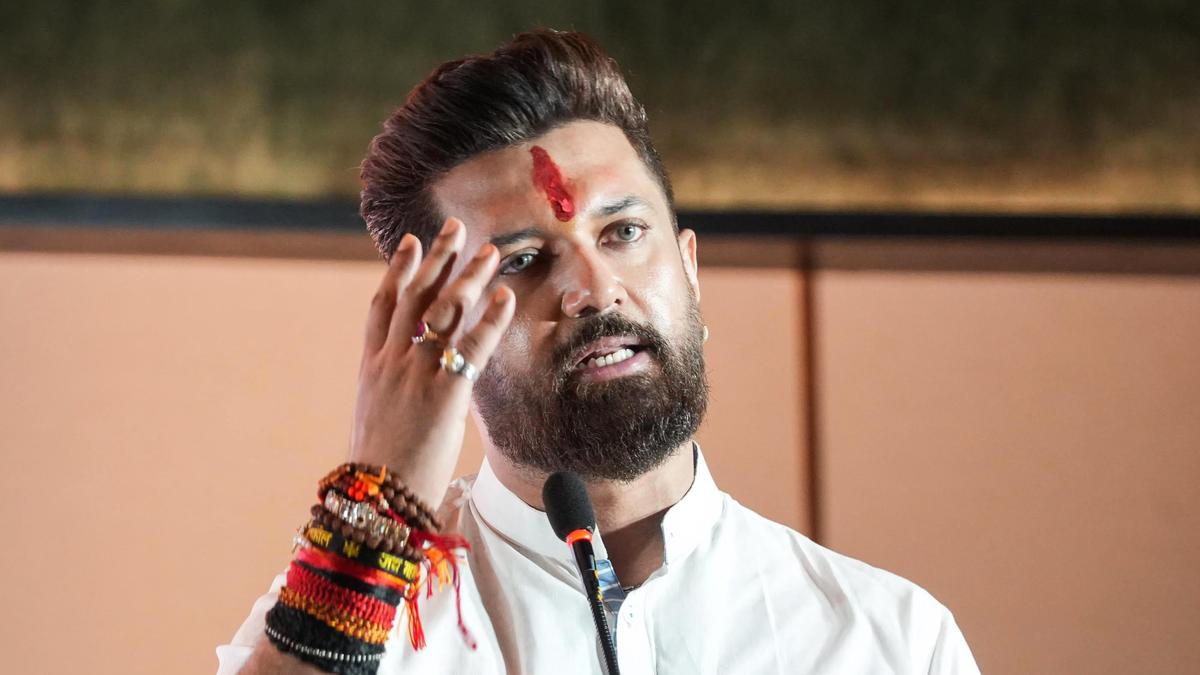
Union ministers Chirag Paswan and Jitan Ram Manjhi are embroiled in a heated political dispute over the sub-categorization of SC/ST quotas. The tension escalated after Manjhi's party sought a review of reservation policies, prompting calls for resignations from both sides.
The Quota Conundrum: Intra-NDA Friction
The political landscape within the National Democratic Alliance (NDA) has been recently rattled by a high-stakes disagreement between two prominent Dalit leaders, Union Minister Chirag Paswan and fellow minister Jitan Ram Manjhi. At the heart of this discord is the sensitive issue of reservation policy, specifically the sub-categorization of Scheduled Castes (SCs) and Scheduled Tribes (STs). The friction originated when Jitan Ram Manjhi’s party, the Hindustani Awam Morcha (Secular), and his son, Santosh Kumar Suman, openly advocated for a comprehensive review of the current reservation regime.
Clash of Ideologies and Demands
The dispute intensified rapidly as Chirag Paswan, representing the Lok Janshakti Party (Ram Vilas), mounted a fierce counter-offensive. Viewing the call for a policy review as a potential threat to the established reservation framework, Paswan demanded the resignation of Santosh Kumar Suman from the Bihar Cabinet. This move effectively signaled a breakdown in internal coalition harmony, as both ministers began trading barbs and calling for each other's political exit, turning a policy debate into a personal and institutional confrontation.
The Wider Political Context
This internal squabble is compounded by the broader national discourse on caste, which has been reignited by Congress leader Rahul Gandhi. Gandhi recently criticized a purification ritual held at a venue in Uttarakhand, labeling the act as a form of “untouchability” and demanding that Prime Minister Narendra Modi take legal action against those responsible. Chirag Paswan has attempted to deflect this criticism by challenging the Congress party to account for the persistence of caste-based discrimination during their decades in power, framing the issue as a legacy failure of previous administrations.
Historical and Social Implications
Reservation in India remains one of the most volatile and significant aspects of the country's social engineering. The debate over sub-categorization touches upon the fundamental question of intra-group equity, where certain sub-castes argue they have been historically marginalized even within the broader SC/ST categories. By advocating for a review, the HAM leadership is tapping into a complex discourse regarding the efficacy of quotas, while Paswan’s firm stance reflects the protective posture of leaders who view any modification as an existential threat to the rights of the underprivileged.
Future Trends and Political Stability
As the debate continues, the tension between Paswan and Manjhi illustrates the delicate balancing act required within the NDA to maintain coalition cohesion while navigating deeply divisive social issues. The demand for resignations suggests that the disagreement is not merely academic but has significant implications for ministerial stability in the Bihar government. Moving forward, the central government will need to navigate these conflicting demands carefully to prevent further fragmentation among its Dalit allies, especially as the opposition continues to leverage caste-based grievances to challenge the ruling coalition's agenda.
Verification Required?