After altercation before Rahul Gandhi’s event, Congress, BJP youth wings make peace
Source Entity
Manoj Dattatrye More
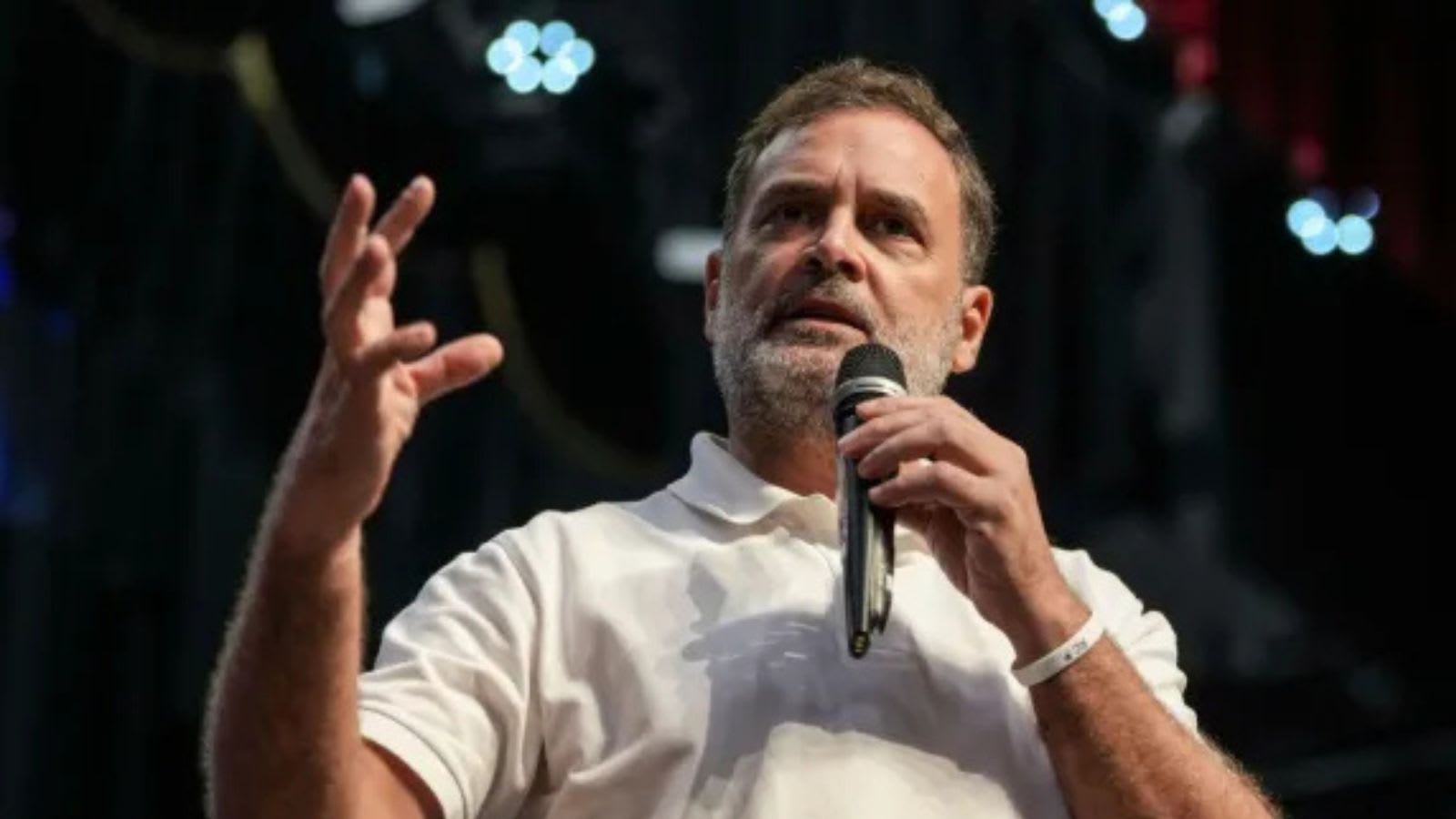
Following a violent clash between ABVP and NSUI in Pune, the two student wings have held a peace meeting to resolve tensions. Both groups have pledged to respect opposing ideologies and maintain decorum during future political events.
Tensions and Reconciliation in Pune Student Politics
Recent events in Pune have highlighted the volatile nature of campus politics in India. A violent altercation between the Akhil Bharatiya Vidyarthi Parishad (ABVP) and the National Students' Union of India (NSUI) occurred on a Friday night, serving as a precursor to Congress MP Rahul Gandhi’s Chhatron Ki Goonj student interaction. The clash, fueled by ideological friction, underscored the intensity of political mobilization in academic spaces.
The Anatomy of the Conflict
Student wings like the ABVP, affiliated with the BJP, and the NSUI, affiliated with the Congress, often find themselves at odds during high-profile political visits. The incident in Pune was symptomatic of broader national trends where student organizations serve as the primary ground-level workforce for major political parties. When these groups collide, it often reflects the deepening polarization of national discourse, manifesting locally as physical confrontation.
Turning a New Page: The Peace Initiative
In a surprising turn of events, representatives from both organizations met at Hotel Vaishali in Pune to de-escalate the situation. By choosing to hold an informal breakfast meeting, the leaders sought to move beyond the cycle of hostility that defined the pre-event atmosphere. This act of reconciliation serves as a rare example of political maturity in an environment often dominated by aggressive rhetoric.
Respecting Ideological Pluralism
Akshay Jain, a Pune Youth Congress leader, emphasized that the core objective of this meeting was to establish a framework for peaceful coexistence. By agreeing to "forget past disputes" and grant each other the space to profess their respective ideologies, both wings are attempting to normalize the concept of political dissent without physical intimidation. This shift is crucial for maintaining the sanctity of academic institutions.
Broader Implications for Campus Democracy
This development suggests that while ideological battles are inevitable, they do not necessarily have to result in violence. The ability of local youth leaders to engage in dialogue after a significant clash indicates a recognition that constant confrontation can be counterproductive to their long-term political goals. If this approach is sustained, it could serve as a template for other student bodies across the country to resolve disputes through negotiation rather than physical conflict.
Conclusion
The resolution of the standoff between the ABVP and NSUI in Pune is a significant step toward stabilizing the political climate in the region. By prioritizing peaceful interaction over sectarian violence, these student wings have demonstrated that even in a polarized environment, there is room for mutual respect. Whether this peace holds during future national political events remains to be seen, but for now, it stands as a positive development for student democracy.