As monsoon hits lull; city remains 25% monsoon deficient
Source Entity
Latest News: Today's Latest News Headlines from India & World | Hindustan Times | Hindustan Times
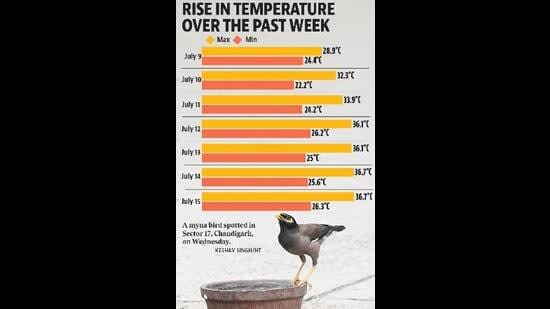
The city is currently experiencing a significant rainfall deficit, recording only 207.8 mm of rain, which is 25% below the normal average for the monsoon season observed by the IMD.
Analysis of Urban Rainfall Deficiency and Monsoon Lull
Current Meteorological Status
The city is currently grappling with a concerning meteorological trend as the monsoon season enters a period of stagnation. According to data provided by officials and the India Meteorological Department (IMD), the city has recorded a total of 207.8 mm of rainfall since the start of the season on June 1. This figure represents a 25% deficiency compared to the historical normal for the corresponding period. This 'monsoon lull'—a temporary pause or reduction in precipitation—is not merely a statistical deviation but a critical indicator of potential water insecurity for the urban population.
Understanding the 'Monsoon Lull'
A monsoon lull typically occurs when the atmospheric pressure gradients weaken or when moisture-laden winds are diverted by other climatic phenomena. In the context of the current 25% deficit, this lull suggests that the city has missed critical windows of heavy precipitation that usually replenish groundwater and fill reservoirs. Historically, the period between June and September is the lifeline for water-stressed cities; when the rainfall falls significantly short of the 'normal' mark, the margin for error in water management disappears, leaving the city vulnerable to shortages in the subsequent dry months.
Implications for Urban Water Security
The 25% deficiency is particularly alarming when considering the city's reliance on rainwater harvesting and lake replenishment. A deficit of this magnitude often leads to a drop in the water table, forcing municipal bodies to rely more heavily on distant water sources or expensive tankers. If the lull persists, the city may face a crisis where the demand for water exceeds the available supply, potentially leading to water rationing. The lack of consistent rain also affects the natural flushing of urban drainage systems, which can lead to stagnation and health risks once the rains eventually return in heavy bursts.
Broader Climatic Context
This deficiency does not happen in isolation but is often part of a larger pattern of climatic variability. The fluctuation in monsoon patterns is frequently tied to larger global phenomena such as El Niño or the Indian Ocean Dipole (IOD). When these systems disrupt the traditional flow of the southwest monsoon, cities often experience 'patchy' rainfall—where some areas are flooded while others remain bone-dry. The current 207.8 mm recording suggests that the city is on the drier side of this variability, highlighting the increasing unpredictability of weather patterns in the region.
Socio-Economic Risks and Agricultural Impact
While the focus is on the city, the rainfall deficit typically extends to the peri-urban and rural fringes that supply the city with fresh produce. A 25% shortfall in rain can lead to crop failures or reduced yields for kharif crops, which in turn triggers inflation in the local vegetable and grain markets. This creates a secondary economic impact where urban residents face higher food costs as a direct result of the meteorological deficiency recorded by the IMD.
Future Outlook and Mitigation
As the monsoon season continues toward its September 30 conclusion, the city must maximize the remaining window for precipitation. To recover from a 25% deficit, the region would require several high-intensity rainfall events. City administrators should prioritize the desilting of water bodies and the optimization of water distribution networks to prevent wastage. Monitoring the IMD forecasts closely will be essential to determine if the lull is a short-term anomaly or a sign of a failed monsoon for the region.
Summary
In conclusion, the recording of 207.8 mm of rain—a 25% deficiency—marks a precarious moment for the city's environmental health. The combination of a monsoon lull and a significant rainfall gap threatens water security, increases the risk of economic inflation due to agricultural stress, and underscores the city's vulnerability to shifting climatic patterns. Immediate conservation measures are advised to mitigate the impact of this deficiency.
Verification Required?