Introspect on need to improve judiciary responsiveness: CJI Surya Kant
Source Entity
TNN
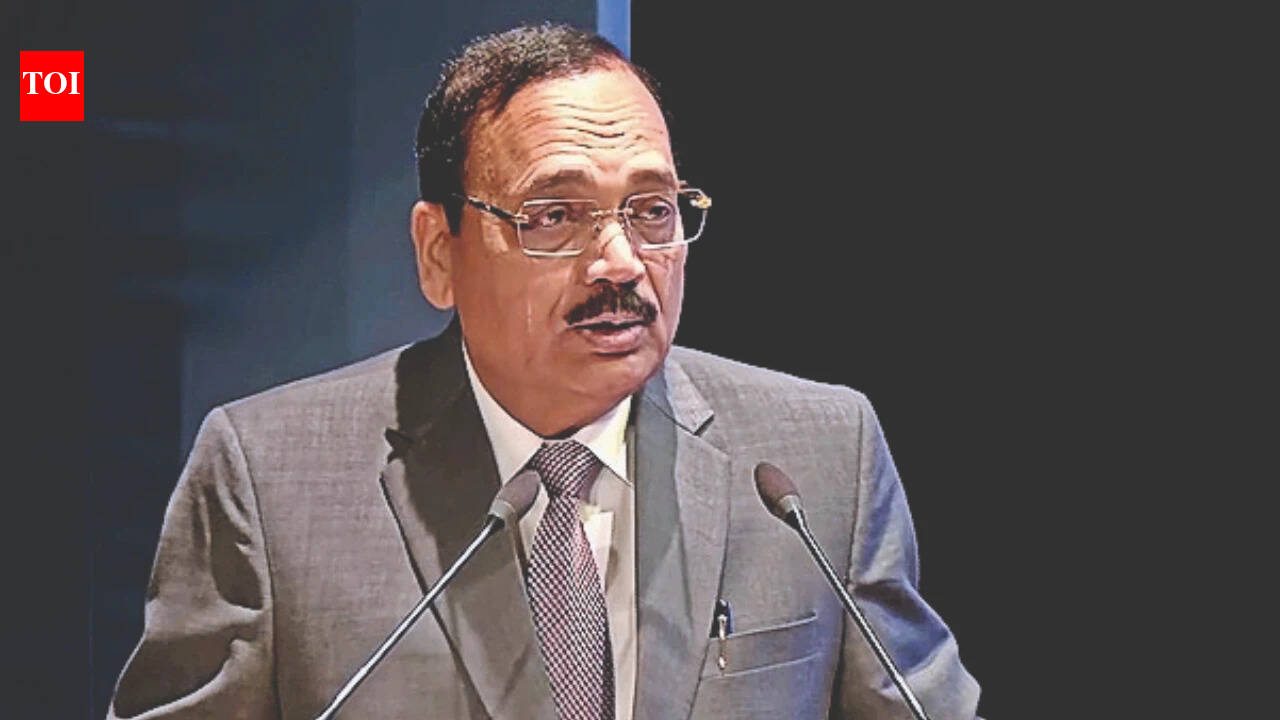
Chief Justice of India Surya Kant has urged the judiciary to improve the responsiveness and transparency of its case listing procedures. He emphasized that timely court intervention is critical for justice, noting that constitutional justice extends beyond the Supreme Court in New Delhi.
Rethinking Judicial Responsiveness: A Call for Institutional Introspection
Chief Justice of India (CJI) Surya Kant has initiated a critical dialogue regarding the operational efficiency of the Indian judiciary, specifically focusing on the responsiveness of the judicial process. Speaking in Kochi, the CJI highlighted a growing trend where litigants bypass High Courts to seek urgent intervention directly from the Supreme Court. This trend serves as a catalyst for a broader institutional introspection, prompting the judiciary to examine its own procedural mechanics and the perceived accessibility of justice across the country.
The Tension Between Centralization and Autonomy
At the heart of the CJI’s message is the delicate balance between the Supreme Court’s oversight role and the institutional autonomy of High Courts. While the apex court has historically respected the authority of High Courts to regulate their own rosters, the frequency of litigants seeking urgent listings at the national level suggests a systemic gap. The CJI’s remarks underscore a need to analyze why litigants feel compelled to escalate matters, potentially indicating a lack of predictability or speed in lower court proceedings.
Defining the Essence of Justice
Justice Kant emphasized a profound philosophical point: that constitutional justice in India does not begin and end in New Delhi. By decentralizing this perspective, he challenges the notion that the Supreme Court should be the primary destination for urgent relief. Instead, he advocates for a judicial ecosystem where High Courts are empowered and equipped to handle urgent matters with the same level of priority and efficiency expected at the apex level, ensuring that justice is delivered close to the citizen.
Transparency and Procedural Efficiency
The CJI’s call for more transparent and predictable case listings is a direct response to the modern exigencies of the legal system. He posited that the difference between justice and injustice often lies not in the final verdict, but in the timeliness of the court’s intervention. When legal processes are opaque or delayed, the window for meaningful relief can close, rendering the ultimate judgment less impactful. Improving the 'responsiveness' of the process is therefore not merely an administrative goal but a fundamental duty to uphold the rule of law.
Future Trends and Judicial Reform
Looking ahead, this call for introspection suggests a move toward digitizing and streamlining case management systems across Indian courts. By asking whether urgent matters can be identified more effectively, the CJI is signaling a shift toward data-driven procedural reform. If implemented, these changes could reduce the burden on the Supreme Court, foster greater public trust in High Courts, and ensure that the judiciary remains a proactive guardian of rights rather than a reactive institution slowed by its own administrative complexity.