'Keeping future of students in mind': Nadda after quashing of FIRs against NEET protesters
Source Entity
PRIYANKA JAISWAL
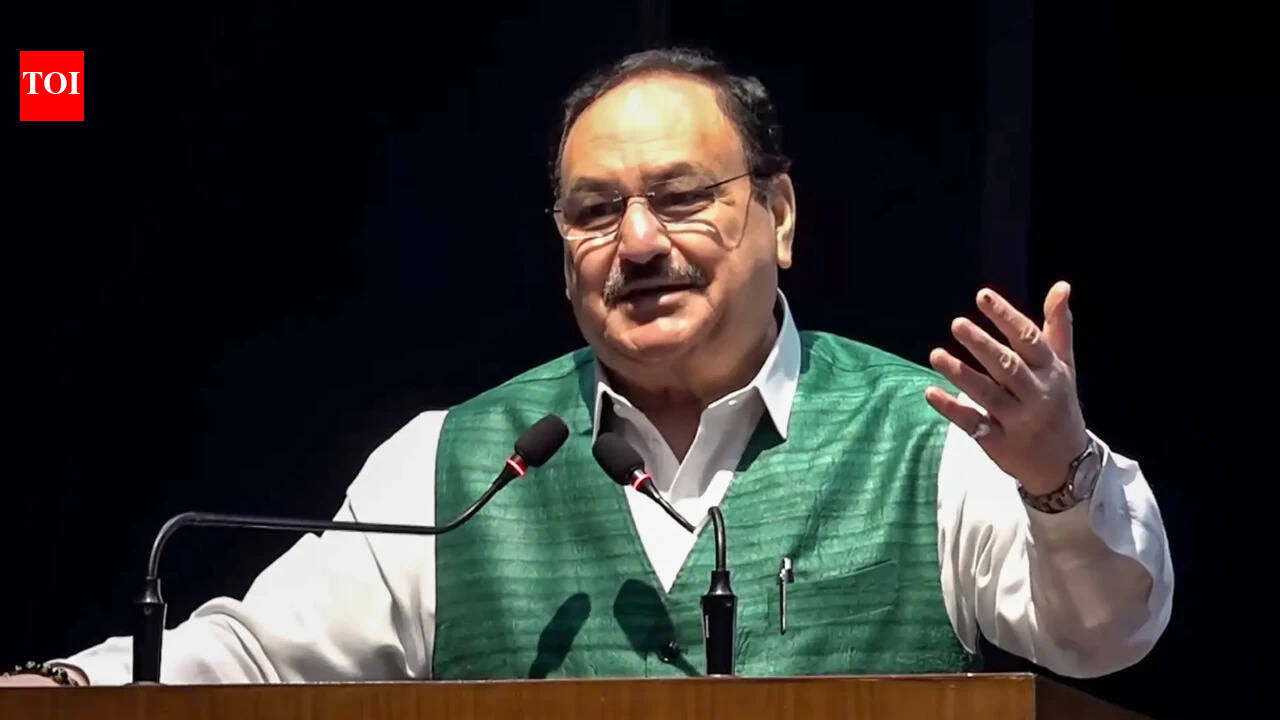
The Cockroach Janta Party (CJP) has officially cancelled its planned September 5 protest march following government assurances to withdraw FIRs related to earlier NEET-UG demonstrations. The Supreme Court, which had been hearing PILs regarding potential lawlessness, noted the development as the Centre promised to address protesters' grievances.
The Cancellation of the CJP March: A Judicial and Political Resolution
Context and Judicial Intervention
On September 1, 2026, the Cockroach Janta Party (CJP) officially announced the withdrawal of its planned protest march, which had been scheduled for September 5. This decision followed a period of intense legal scrutiny in the Supreme Court, where the Chief Justice of India (CJI)-led bench had been presiding over Public Interest Litigations (PILs). These petitions had expressed significant concern that the proposed demonstration, slated just days before the high-profile BRICS summit in Delhi, could trigger civil disorder and potentially deter the participation of international dignitaries.
Balancing Protest and Public Order
Throughout the proceedings, the Supreme Court maintained a principled stance on the necessity of public order. While petitioners argued that the march from India Gate to the Police Headquarters lacked necessary permissions and posed a security risk to the upcoming summit, the bench consistently emphasized that it was the primary responsibility of law enforcement agencies to maintain order while strictly adhering to constitutional and legal frameworks. The court’s decision to refrain from passing immediate interim orders while awaiting a formal hearing on September 10 reflected a balanced approach, urging both the state and the protesters to comply with the rule of law.
The Role of Government Assurances
The pivot point for this resolution was the intervention of the Centre. Solicitor General Tushar Mehta informed the Supreme Court that the government would withdraw FIRs registered between July 20 and July 25, 2026, which were linked to the NEET-UG paper leak protests. This move provided the political space necessary for the CJP to de-escalate. Saurav Das, the co-convenor of the CJP, formally read a statement in open court confirming the cancellation, citing these government assurances and the commitment to work out modalities for a compensation scheme for victims of the July 20 police crackdown.
Broader Implications for NEET-UG Protests
This development marks a significant turning point in the aftermath of the NEET-UG paper leak controversy. The protests, which had gripped Delhi throughout July, highlighted deep-seated frustrations regarding educational integrity and administrative accountability. By addressing the legal status of the protesters through the withdrawal of FIRs and promising compensation for those affected by the July 20 police action, the Centre has effectively utilized the judicial process to diffuse a brewing confrontation that threatened to overshadow the diplomatic optics of the BRICS summit.
Future Trends and Judicial Oversight
Looking ahead, the case underscores the delicate interplay between the right to dissent and the state’s duty to ensure security during major international events. The Supreme Court’s role as an arbiter in this situation prevented a potential escalation that could have resulted in widespread lawlessness. As the court continues to monitor the implementation of the government's promises, this event sets a precedent for how future disputes regarding protest legitimacy can be resolved through a combination of judicial oversight and executive concessions, rather than purely adversarial confrontation.
Multiple Citing Sources