No entry in ‘round 2’: Protesters stopped short of Jantar Mantar
Source Entity
KOUSHIKI SAHA
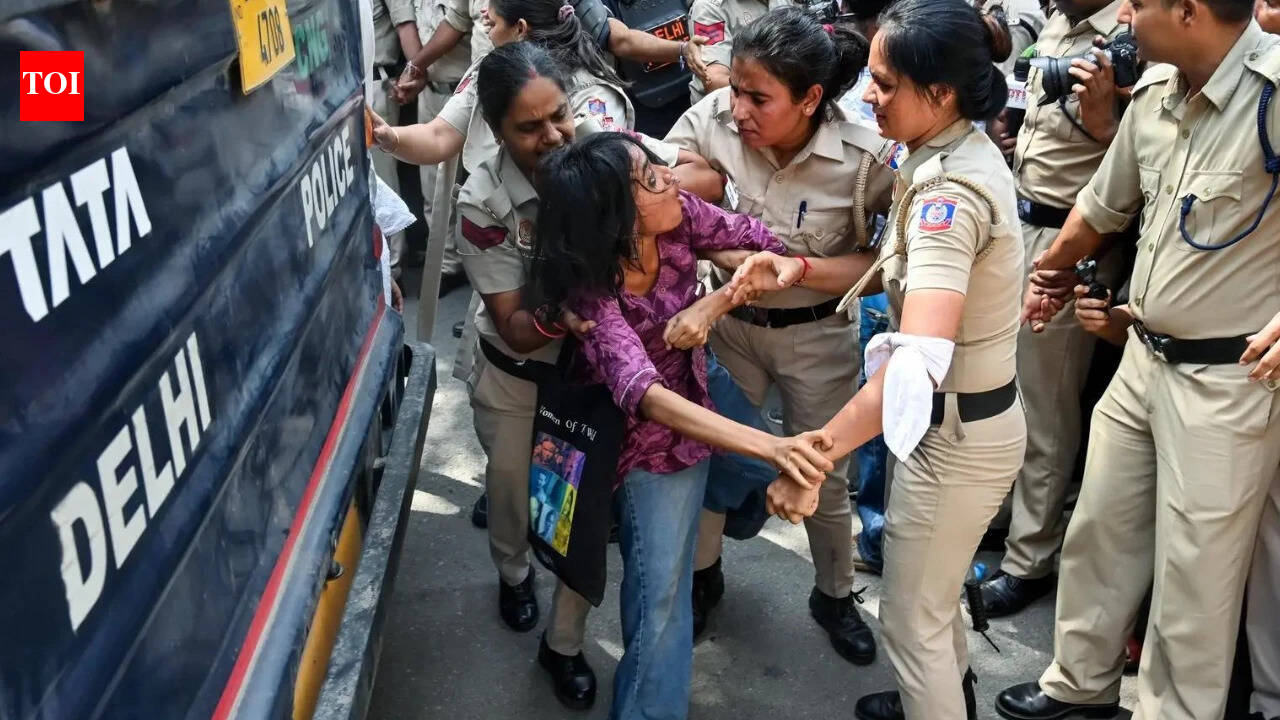
The Cockroach Janta Party, led by Abhijeet Dipke, has launched a nationwide protest demanding the resignation of CEC Gyanesh Kumar over alleged electoral roll irregularities. The movement begins in Mumbai and will expand to multiple cities, calling for electoral reforms and transparent appointment processes.
The Cockroach Janta Party Launches Nationwide Agitation
On October 1, 2026, the Cockroach Janta Party (CJP), spearheaded by founder Abhijeet Dipke, announced a series of nationwide protests beginning on Gandhi Jayanti, October 2. The movement, which kicked off at Mumbai’s Shivaji Park, is a direct response to allegations of systemic irregularities within the Election Commission of India. The protests aim to hold Chief Election Commissioner (CEC) Gyanesh Kumar accountable for what the party describes as compromised electoral rolls.
The Catalyst: Allegations of Electoral Irregularities
The agitation is rooted in recent reports concerning an internal rift within the Election Commission regarding Special Intensive Revision (SIR) voter deletions. The CJP alleges that these deletions have disenfranchised a significant number of voters, leading to their demand for the immediate freezing of the 2025 electoral roll. By focusing on these technical aspects of voter registration, the party is positioning itself as a watchdog for electoral integrity, claiming that the current roll is not representative of the true electorate.
Core Demands and Political Escalation
The CJP’s platform is built upon three primary pillars: the resignation of CEC Gyanesh Kumar, the freezing of the 2025 electoral roll to ensure future elections are conducted on reliable data, and the establishment of an independent, transparent appointment process for the next Chief Election Commissioner that includes civil society participation. During the press conference at the Mumbai Press Club, Dipke escalated the rhetoric, suggesting that if the CEC does not resign, the movement will pivot to demand the resignation of Prime Minister Narendra Modi, alleging that the CEC has acted in favor of the current administration.
Scaling the Protest: From Mumbai to New Delhi
What began as a localized protest in Mumbai is now set to become a national campaign. Dipke confirmed that the 'Jail Bharo Andolan' will extend to Goa, Bengaluru, and Kolkata, among other urban centers. This strategic expansion is designed to build momentum across different states, culminating in a final sit-in at Jantar Mantar in New Delhi. By selecting high-profile, politically significant cities, the CJP aims to maximize public visibility and exert maximum pressure on the central government.
Broader Implications for Electoral Reform
The CJP’s accusations, which include labeling the CEC as a 'traitor' and a 'puppet' of the ruling party, highlight a growing climate of distrust regarding the independence of constitutional bodies. By challenging the legitimacy of the electoral process, the CJP is tapping into broader anxieties about democratic health and the potential for bureaucratic manipulation in election management. The demand for civil society participation in the appointment of the CEC reflects a desire for systemic changes that move away from executive-controlled appointments.
Future Outlook and Political Impact
As the protests move toward New Delhi, the government will likely face increased scrutiny regarding its oversight of the Election Commission. The success or failure of this 'Jail Bharo Andolan' will depend on the party's ability to mobilize a large base of affected voters and maintain public attention on the technical complexities of voter deletions. Should the movement gain traction, it may force a national conversation on the necessity of electoral transparency and the potential reform of the Election Commission’s internal processes.
Multiple Citing Sources