Why CJP's Abhijeet Dipke, Saurav Das, Ashutosh Ranka Are Facing Look Out Circulars
Source Entity
NDTV News Search Records Found 1000
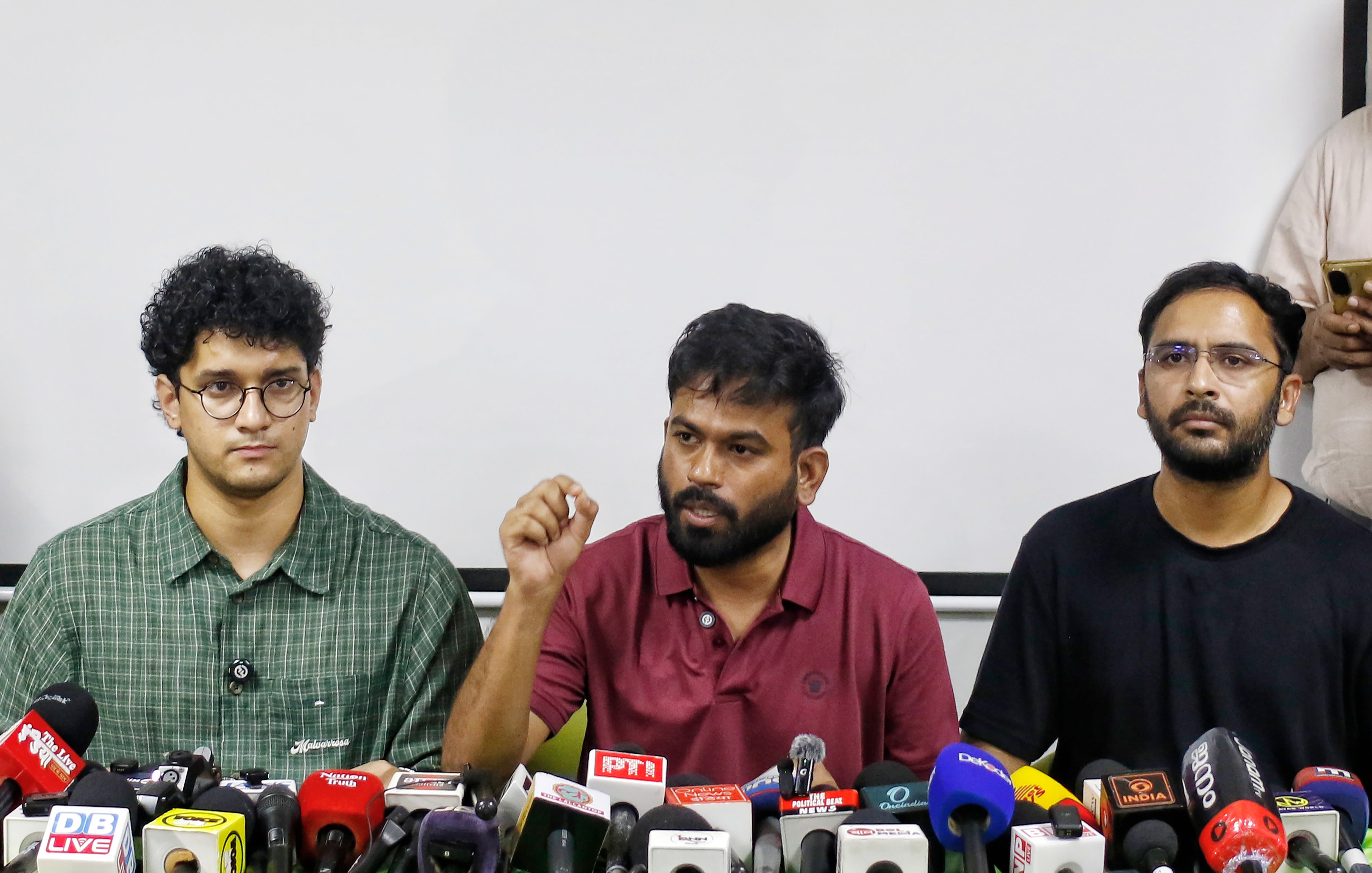
Cockroach Janta Party (CJP) leader Saurav Das has moved the Delhi High Court after being barred from flying to the U.K. for an Oxford University event. CJP founder Abhijeet Dipke alleges the government is attempting to suppress international scrutiny of its domestic policies.
The Controversy Surrounding Saurav Das and Travel Restrictions
On November 24, 2026, the Cockroach Janta Party (CJP) found itself at the center of a significant civil liberties debate after its co-founder, Saurav Das, was prevented from boarding a flight to the United Kingdom at Delhi’s Indira Gandhi International Airport. Das, a legal journalist and political figure, was scheduled to travel to the University of Oxford to deliver a lecture regarding the "cockroach movement" and the influence of Ambedkarite and Gandhian philosophies on contemporary Indian political movements. The incident has sparked immediate backlash from party leadership, who view the travel block as an act of political intimidation.
Allegations of State Overreach
CJP founder Abhijeet Dipke has publicly condemned the government’s actions, drawing sharp comparisons between the treatment of Das and that of high-profile financial fugitives such as Vijay Mallya, Nirav Modi, and Mehul Choksi. Dipke argues that the state’s decision to restrict a young political activist—who possesses no history of financial crimes—suggests a shift in priorities. By framing the obstruction as a fear of international exposure, Dipke posits that the government is wary of having its domestic "ground realities" scrutinized by global academic and political institutions.
Legal Recourse and Judicial Intervention
In response to the travel ban, Saurav Das, represented by advocate Krishnesh Bapat, has filed a formal petition with the Delhi High Court. The legal team moved for an urgent hearing, citing the time-sensitive nature of the Oxford engagement. A division bench comprising Acting Chief Justice Nitin Wasudeo Sambre and Justice Sanjay Sharma acknowledged the urgency but scheduled the matter for a formal hearing on November 26, 2026. The legal challenge centers on the lack of formal documentation or specific orders provided to Das at the time he was denied passage through immigration.
The "Cockroach Movement" and Political Narrative
Central to this discourse is the identity of the CJP and its ideological framework. The movement, which Das was invited to present at Oxford, seeks to redefine political resistance through the lens of figures like B.R. Ambedkar and Mahatma Gandhi. The government’s alleged interference suggests that the authorities view this specific brand of grassroots activism as a potential threat to the prevailing national narrative. By preventing the export of this discourse, the state may be attempting to contain the movement within Indian borders.
Broader Implications for Civil Liberties
The incident has reignited concerns regarding the use of travel restrictions as a tool against political dissenters. Historically, the use of Look Out Circulars (LOCs) or sudden immigration stops has been a contentious issue in Indian law. When applied to journalists and political activists rather than individuals accused of criminal activity, such measures often invite questions regarding the constitutional right to freedom of movement and the democratic right to dissent on international platforms.
Future Trends and Outlook
The outcome of the Delhi High Court hearing is expected to set a critical precedent for how political activists are treated at border crossings moving forward. If the court finds that the government’s actions lacked a robust legal basis, it could force a re-evaluation of how immigration authorities exercise discretion. Conversely, a ruling in favor of the state could embolden further restrictions on individuals perceived as critical of government policies, signaling a potential tightening of the space for international advocacy by domestic political figures.
Multiple Citing Sources
Verification Required?