Maharashtra CM directs withdrawal of FIRs against protesters involved in NEET stir
Source Entity
VIJAY V SINGH
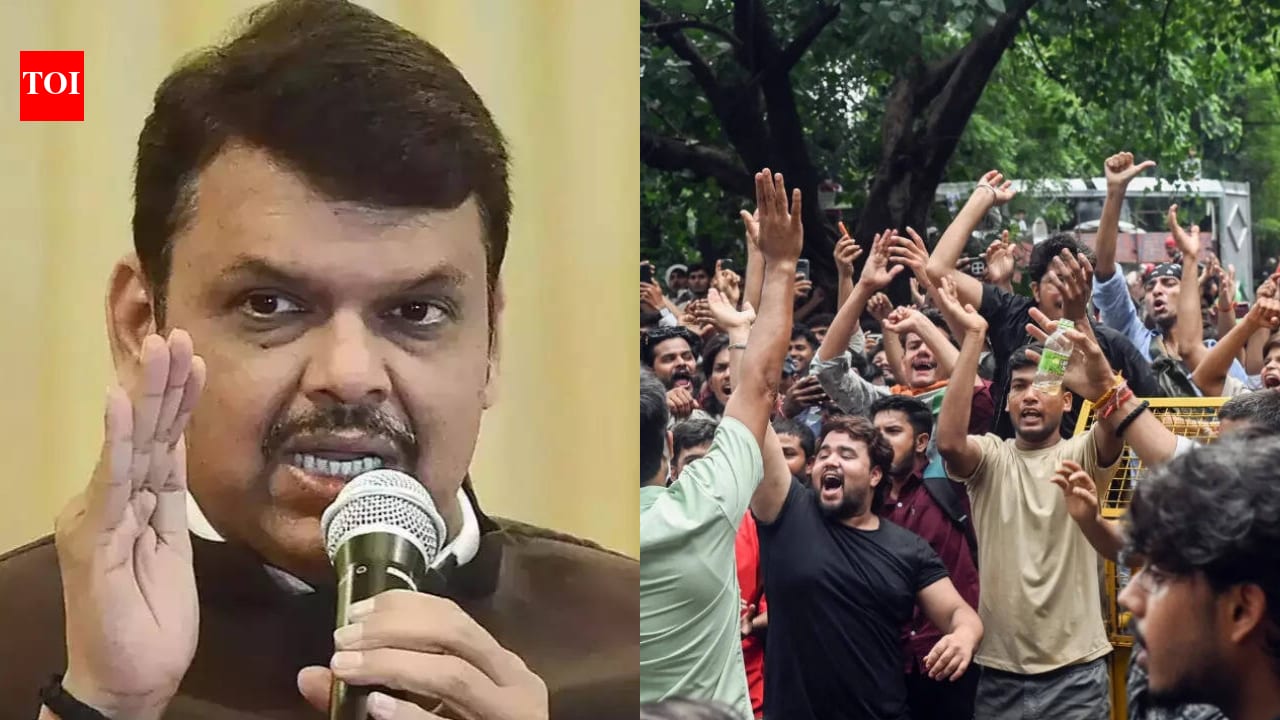
The Cockroach Janta Party (CJP) has secured government assurances regarding the protection and release of student protesters following late-night negotiations. Meanwhile, a Bihar constable has been suspended for the unauthorized discharge of an AK-47 during related demonstrations in Siwan.
Tensions Easing: Government Assurances for CJP Protesters
The political landscape in India saw a significant development on July 28, 2026, as the Cockroach Janta Party (CJP) announced a breakthrough in its negotiations with the Union government. Following a high-stakes, late-night meeting that stretched into the early hours of Monday, CJP leaders Saurav Das and Ashutosh Ranka, accompanied by senior advocate Kapil Sibal, confirmed that the government has committed to safeguarding the interests of student protesters across the country.
Negotiating Protections and FIR Withdrawals
The core of the agreement revolves around the cessation of punitive actions against students who participated in recent demonstrations. According to CJP spokesperson Saurav Das, the government has provided formal documentation, including notifications from the states of Bihar and Assam, which guarantee the withdrawal of First Information Reports (FIRs) and the release of all detainees. This move is intended to de-escalate the friction between the student body and state apparatuses, ensuring that no future retaliatory measures are taken against those involved in the protests.
The Siwan Incident: Accountability in Action
While the national political situation shows signs of stabilization, localized unrest highlighted the risks inherent in managing large-scale protests. In Siwan, Bihar, a police constable named Abhishek Kumar was suspended following an unauthorized discharge of an AK-47 rifle during student protests. District Magistrate Vivek Ranjan Maitrey and Superintendent of Police Puran Kumar Jha confirmed that the firing was entirely outside of official protocol, as no orders to open fire had been issued. The administration has since initiated departmental proceedings against the officer to address this breach of conduct.
Broader Implications of Police Conduct
The incident in Siwan has drawn significant attention to the conduct of law enforcement during civil unrest. With three individuals sustaining bullet injuries in areas peripheral to the firing site, the administration is currently conducting a thorough investigation to determine the circumstances of the injury. This event has sparked political uproar in Parliament, emphasizing the demand for stricter oversight of police personnel deployed in sensitive protest zones.
Future Trends in Protest Management
The events of July 28 underscore a growing trend in Indian political discourse: the reliance on high-level, late-night mediation to resolve public grievances. By involving senior legal counsel like Kapil Sibal and engaging in direct dialogue with government representatives, political parties are increasingly opting for institutional channels to secure the legal safety of their supporters.
Conclusion: A Path Toward Stability
As the government moves to fulfill its promises of dropping cases and protecting protesters, the focus now shifts to the implementation of these assurances at the ground level. The suspension of the constable in Siwan serves as a critical signal that the administration is attempting to maintain professional standards amidst heightened political tension. Moving forward, the success of this de-escalation effort will depend on the consistent application of these legal protections and a rigorous review of police engagement tactics during public demonstrations.
Multiple Citing Sources