Day after police stopped them, over 500 gather at Mumbai’s Shivaji Park backing CJP
Source Entity
The Indian Express
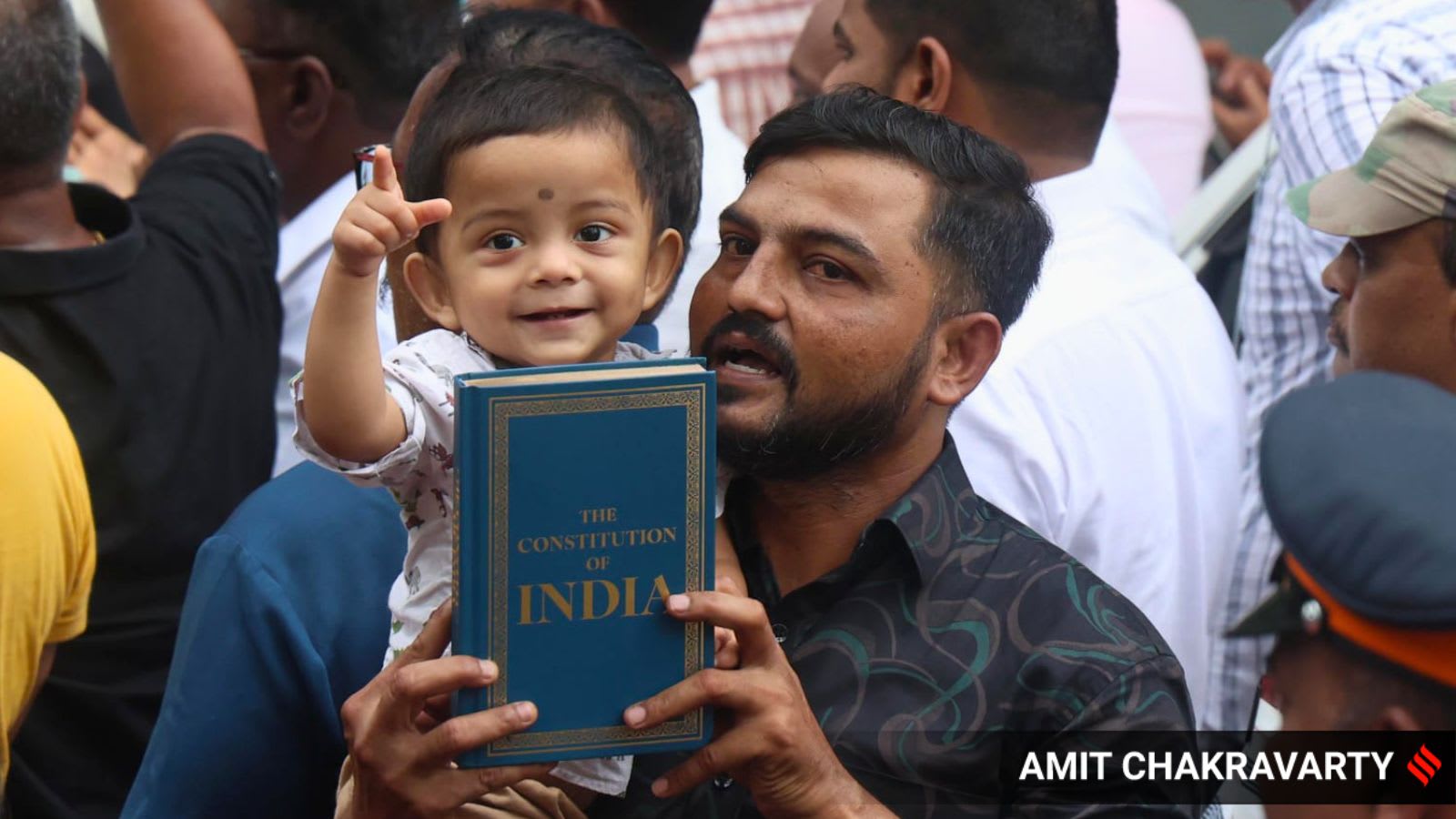
Following a police crackdown on CJP protesters in Delhi, thousands have regrouped at Jantar Mantar. Simultaneously, over 500 supporters gathered at Mumbai’s Shivaji Park to protest police action and demand educational reforms.
The Resurgence of the CJP Movement: A Dual-City Protest
The recent demonstrations occurring in Delhi and Mumbai signal a significant escalation in the ongoing agitation led by the Cockroach Janata Party (CJP). Despite concerted efforts by security forces to dismantle protest infrastructure—specifically the demolition of tents and stages at Jantar Mantar on July 20, 2026—the movement has shown remarkable resilience. The swelling of crowds from a few hundred to thousands within a single day demonstrates a growing public sentiment that appears galvanized rather than deterred by state-led enforcement measures.
The Impact of Police Intervention
The narrative surrounding these protests has shifted from the initial policy-based demands to a broader critique of police conduct. Reports of injured students during the initial Delhi march, coupled with the detention of protesters at Chaityabhoomi in Dadar, have served as catalysts for further mobilization. In Mumbai, the gathering of over 500 individuals at Shivaji Park—comprising a diverse demographic of students, senior citizens, and children—indicates that the movement is successfully transcending traditional activist circles to involve the general public.
Strategic Demands and Political Pressure
At the core of these protests are specific calls for systemic change. Demonstrators are explicitly demanding the resignation of Union Education Minister Dharmendra Pradhan, citing a need for comprehensive reforms within the national education system. The alignment of these protesters with activist Sonam Wangchuk adds a layer of intellectual and social advocacy to the movement, framing the CJP’s platform not merely as a political challenge but as a grassroots push for accountability in governance.
Challenges of Civil Disobedience
The scene at Jantar Mantar on July 21, 2026, serves as a testament to the persistence of the protesters. Despite adverse weather conditions and the physical removal of their protest apparatus, the crowd utilized the site to regroup and re-erect infrastructure. This cycle of crackdown and resurgence highlights a tension between the state's desire to maintain public order and the protesters' constitutional right to express dissent, a dynamic that often tests the limits of civil liberties in a democratic framework.
Future Implications and Trends
As the movement continues to draw participants—including many first-timers who claim that the 'brutal' police action was the deciding factor in their attendance—the government faces increasing pressure to address the underlying educational grievances. If the trend of regrouping despite active discouragement continues, the CJP movement may force a formal dialogue between the administration and the protesters. The coming days will be critical in determining whether the state opts for further containment or enters into negotiations to quell the escalating unrest in these key urban centers.