Instagram vs WhatsApp: How CJP protests are different and why that matters
Source Entity
INDRAJEET RAI
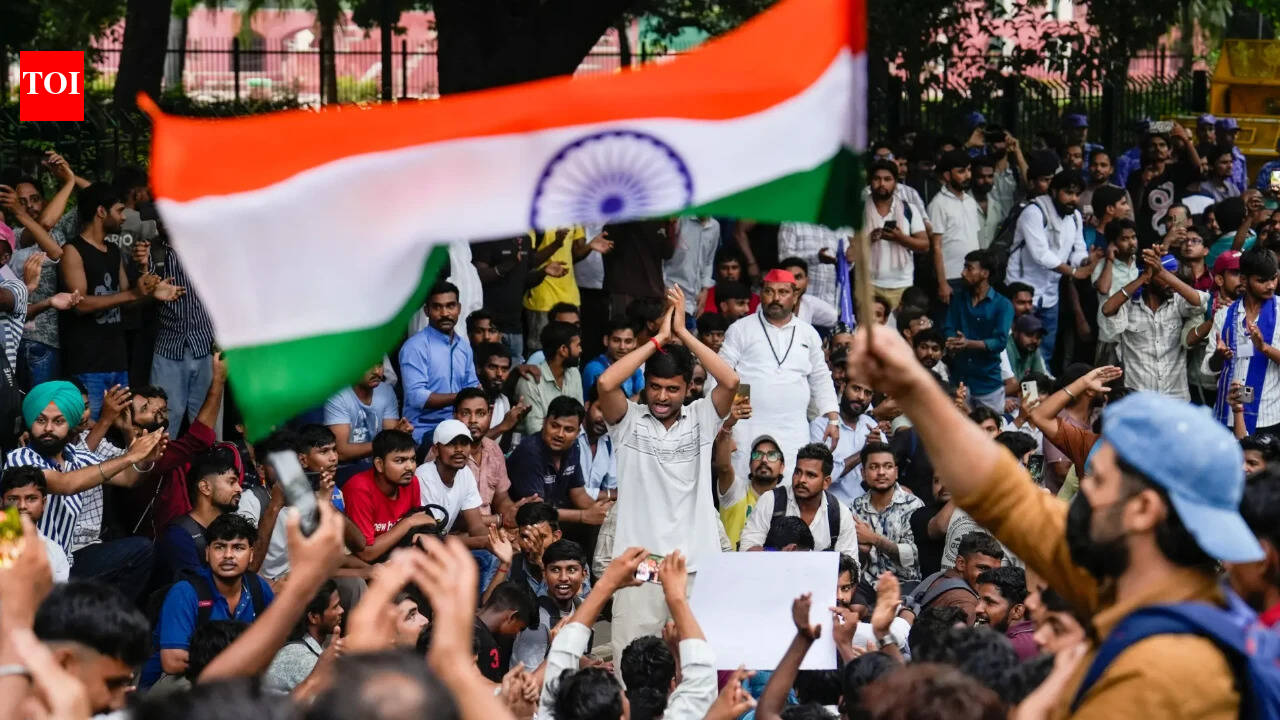
Sonam Wangchuk has concluded his hunger strike following government assurances regarding paper leaks and educational reform. The movement highlights a shift in digital activism, leveraging social media to bypass traditional political communication and secure direct government intervention.
The Shift in Digital Activism: Analyzing the CJP Protests
The recent conclusion of Sonam Wangchuk’s hunger strike marks a pivotal moment in contemporary Indian civil discourse. By securing government assurances regarding the integrity of examination processes and addressing systemic issues like paper leaks, the protest has moved beyond mere agitation into the realm of tangible policy reform. The promise of fast-track courts and more stringent punishments for those involved in exam-related fraud represents a significant concession that acknowledges the depth of public frustration regarding educational fairness.
Bureaucratic Realignment and Accountability
Beyond the immediate legislative promises, the government’s decision to appoint new education secretaries signals a strategic attempt at bureaucratic recalibration. This move suggests that the administration recognizes the failure of existing oversight mechanisms to prevent widespread malpractice. By installing new leadership, the government aims to restore institutional credibility, though the success of these appointments will ultimately be measured by their ability to implement the promised reforms effectively and transparently.
The Digital Catalyst: Instagram vs. WhatsApp
At the heart of this movement is a fundamental evolution in how protests are organized and communicated. The CJP protest effectively utilized platforms like Instagram to mobilize a younger, digitally native demographic, contrasting sharply with the traditional, often localized, information dissemination patterns of platforms like WhatsApp. This shift allowed the movement to cultivate a broader national narrative, effectively bypassing legacy media gatekeepers and forcing an issue that might have otherwise remained localized into the mainstream political conversation.
Challenging Traditional Political Communication
This protest movement signifies a departure from conventional political mobilization strategies. By leveraging the visual and algorithmic power of social media, activists have successfully forced direct interventions from the highest levels of government, including Prime Minister Narendra Modi. This suggests that the administration is increasingly sensitive to the optics and momentum generated by social media-driven movements, which can rapidly amplify public discontent and demand immediate accountability.
Future Implications for Governance
Looking ahead, the success of this protest model sets a precedent for how future policy grievances may be addressed in India. The integration of digital activism into the political landscape indicates that the 'youth vote' and digital-native demographics now possess significant leverage in shaping public policy. As the government grapples with these new dynamics, the pressure to maintain transparency in educational and administrative processes will likely intensify, necessitating a more proactive and tech-literate approach to governance.
Conclusion
In summary, the resolution of Sonam Wangchuk’s hunger strike is not just a victory for those concerned with exam integrity, but a case study in the power of modern digital communication. By forcing administrative changes and securing high-level government attention, the movement has demonstrated that the traditional barriers between the public and the political establishment are becoming increasingly permeable. The long-term impact of this shift will likely redefine the relationship between civil society and the state in the digital age.