CJP’s Saurav Das stopped at airport over Mumbai police Look out Circular: Home Ministry to Delhi HC
Source Entity
Sohini Ghosh
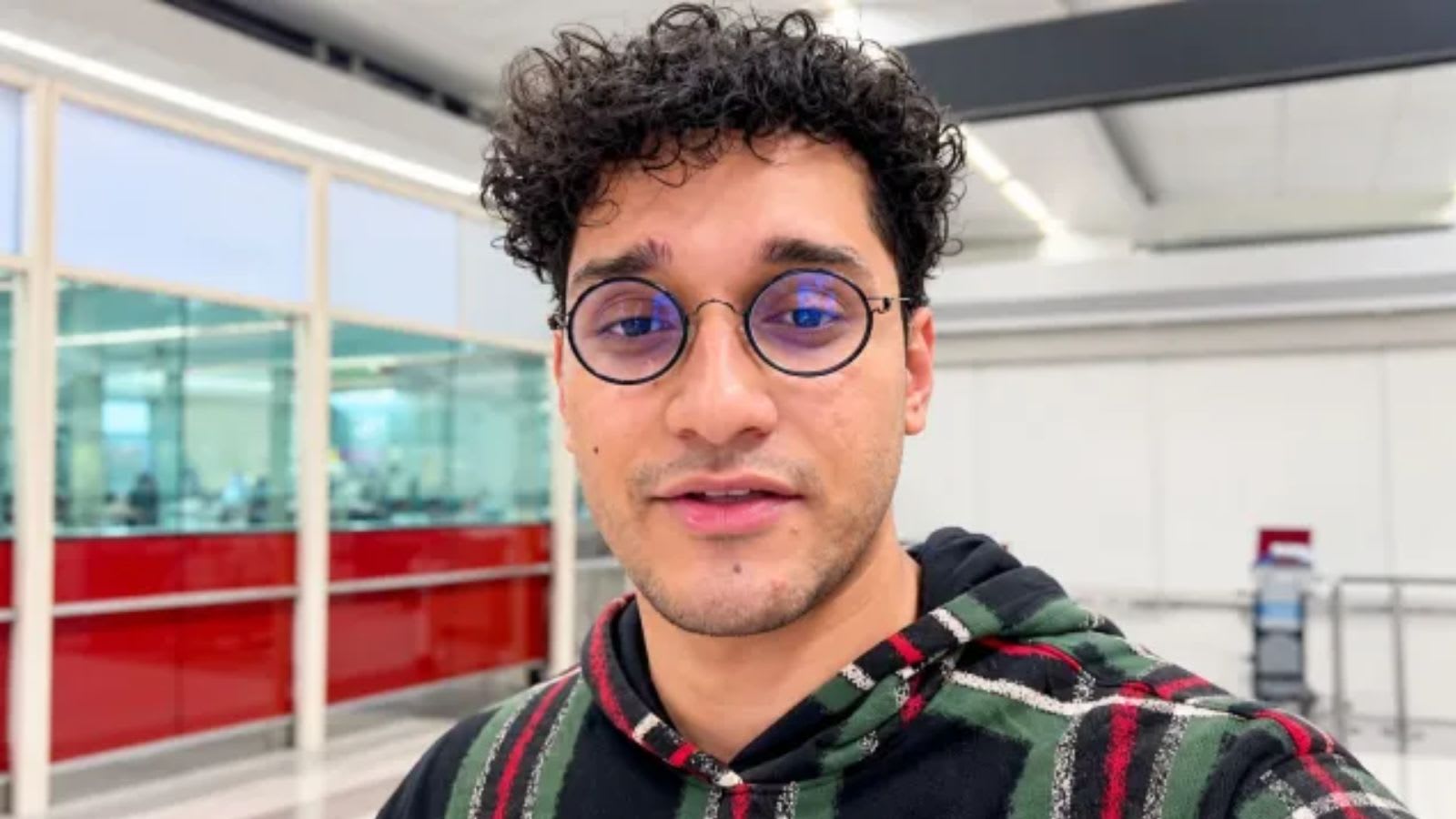
Cockroach Janta Party co-founder Saurav Das has moved the Delhi High Court after being barred from flying to the UK for an Oxford University event. Party founder Abhijeet Dipke alleges the government is suppressing political dissent to prevent exposure of its failures on the international stage.
Legal and Political Fallout: The Detention of Saurav Das
On November 24, 2026, the Cockroach Janta Party (CJP) found itself at the center of a significant civil liberties controversy. Co-founder Saurav Das was prevented from boarding a flight to the United Kingdom at Delhi’s Indira Gandhi International Airport. Das, a legal journalist and political figure, was scheduled to deliver a lecture at the University of Oxford regarding the 'cockroach movement' and the influence of Gandhian and Ambedkarite philosophies on his party's organizational framework.
Allegations of State Overreach
Abhijeet Dipke, the founder of the CJP, has leveled severe accusations against the Central government, characterizing the travel ban as a tool of political suppression. During a press conference in Chhatrapati Sambhajinagar, Dipke drew a stark contrast between the treatment of high-profile financial fugitives—such as Vijay Mallya, Nirav Modi, and Mehul Choksi—and the restriction placed on a 27-year-old journalist. Dipke argues that the state’s decision to prioritize the detention of a political activist over established economic offenders suggests a calculated effort to stifle international criticism.
The Legal Battle in Delhi High Court
Following the incident, Saurav Das formally moved the Delhi High Court to challenge the administrative decision that prevented his departure. Represented by advocate Krishnesh Bapat, the legal team sought an urgent hearing to allow Das to reach London in time for his scheduled engagement. The matter was brought before a division bench comprising Acting Chief Justice Nitin Wasudeo Sambre and Justice Sanjay Sharma. While the court acknowledged the urgency of the plea, it scheduled the proceedings for Thursday, November 26, leaving a narrow window for the activist to fulfill his international commitments.
Strategic Implications of the 'Cockroach Movement'
At the heart of this dispute is the CJP’s stated mission to discuss 'ground realities' of the Indian political landscape with global audiences. The government's decision to intervene in international travel plans suggests a heightened sensitivity toward narratives that originate from grassroots movements. By preventing Das from speaking at an institution like Oxford, the authorities have inadvertently amplified the visibility of the CJP’s narrative, turning a scheduled academic lecture into a high-profile case regarding the freedom of movement and political expression.
Future Trends and Judicial Scrutiny
This incident highlights a growing trend of friction between emerging political entities and state regulatory mechanisms concerning travel restrictions. The upcoming judicial review will be critical in determining whether the government can justify the travel ban under existing legal frameworks. If the court finds the restriction to be arbitrary or lacking a formal, documented order, it may establish a precedent that limits the state's ability to restrict the international movement of political figures without clear, transparent evidence of wrongdoing. For now, the CJP continues to frame this as a fundamental test of democratic accountability in India.
Multiple Citing Sources