Congress leads Rajasthan zila parishad polls, but BJP turns numbers game on its head
Source Entity
Hamza Khan
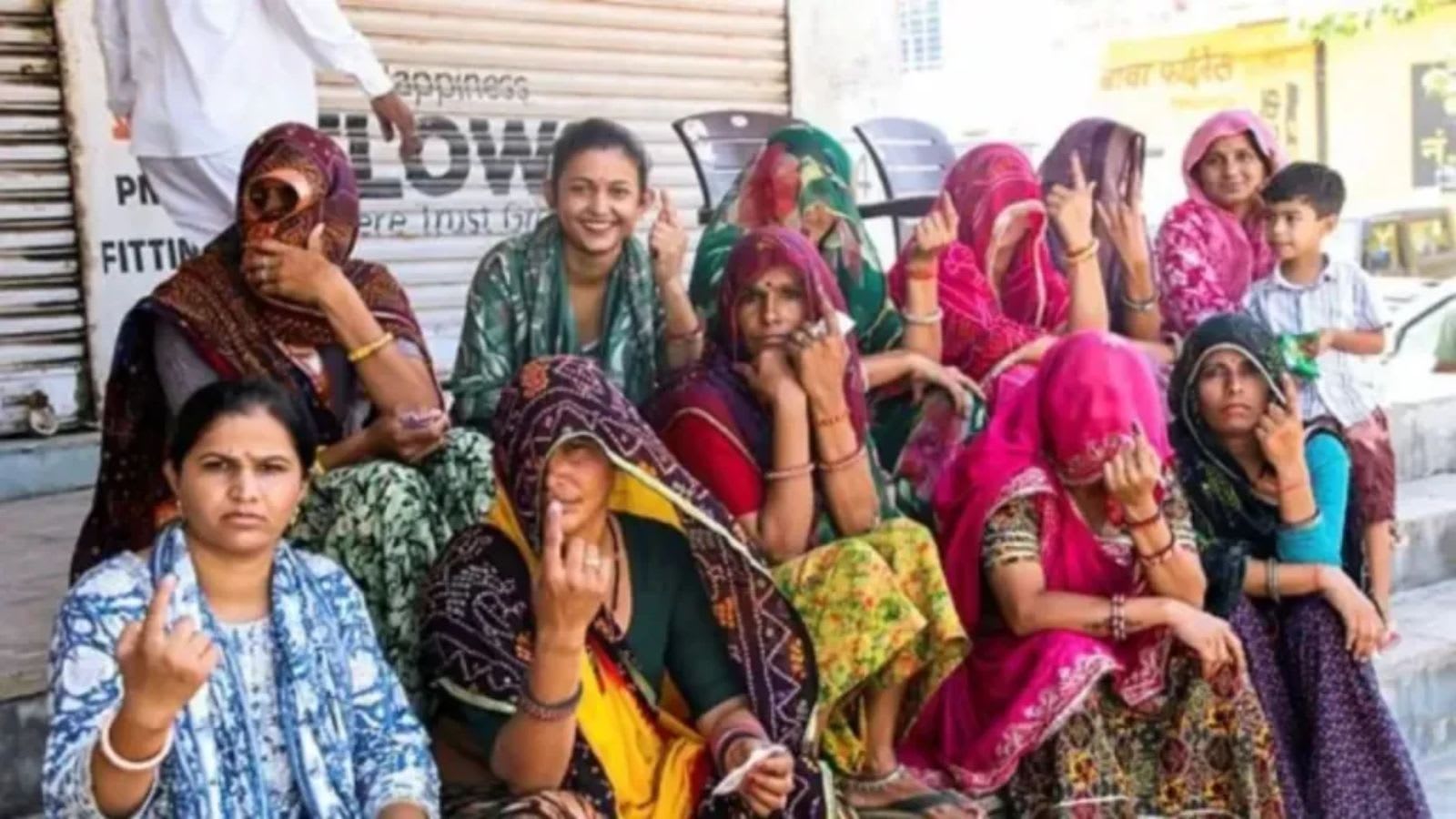
The Congress party secured 24 Zila Pramukh posts in Rajasthan, but the BJP effectively doubled its tally to 10 through strategic cross-voting. This election highlights shifting dynamics in rural governance, with the RLP and Bharat Adivasi Party also cementing significant regional influence.
Shifting Power Dynamics in Rajasthan Local Governance
The recent Zila Parishad elections in Rajasthan have revealed a complex political landscape where numerical majorities do not always guarantee administrative control. While the Congress party maintained a strong performance by securing 24 out of 37 Zila Pramukh posts, the ability of the Bharatiya Janata Party (BJP) to double its tally to 10 despite only holding a majority in five districts indicates a sophisticated, albeit disruptive, utilization of cross-voting tactics. This phenomenon underscores the volatility of local-level politics, where candidate loyalty and local alliances often supersede party-line mandates.
The Mechanics of Cross-Voting
The disparity between the initial election results on November 20 and the final Zila Pramukh elections on November 25 highlights a strategic pivot by the BJP. By securing 10 posts despite a smaller numerical base, the BJP demonstrated an effective ground-level maneuvering strategy. The most notable instance of this was in Churu, where the Congress failed to elect its candidate despite holding a majority, resulting in the election of Kanika Singh, daughter-in-law of former BJP minister Rajendra Rathore. This setback reflects the challenges the Congress faces in maintaining party discipline during high-stakes local elections.
Regional Parties and Third-Force Influence
Beyond the primary binary between the Congress and the BJP, the elections signaled the rising importance of regional entities. The Bharat Adivasi Party (BAP) successfully captured the tribal-dominated districts of Banswara and Dungarpur, asserting its relevance in regional governance. Simultaneously, the Rashtriya Loktantrik Party (RLP), led by Nagaur MP Hanuman Beniwal, retained control of Nagaur. These results indicate that the electorate is increasingly looking toward localized platforms that address specific regional grievances, rather than relying solely on state-level political discourse.
Implications for Rural Governance
The administrative control of 37 out of 41 districts represents a critical juncture for Rajasthan’s rural development. As these Zila Parishads begin their tenure, the fractured nature of these victories suggests that the upcoming term will be marked by intense negotiation and coalition-building. The absence of independent candidates winning any Zila Pramukh positions further suggests that the political field is becoming increasingly professionalized and dominated by established party apparatuses.
Future Trends and Political Stability
Looking forward, the ability of the Congress to secure 24 seats provides them with a significant platform for grassroots outreach, yet the BJP’s success in flipping results suggests a vulnerability in Congress’s internal cohesion. For the Congress, the objective will be to stabilize its internal ranks to prevent further losses in future elections. For the BJP, the strategy of leveraging cross-voting could become a blueprint for challenging Congress strongholds in upcoming legislative cycles. As these elected bodies begin to implement local policies, the focus will shift toward how these parties manage the tension between their state-level agendas and the immediate, practical needs of the rural populations they represent.
Multiple Citing Sources