FIR against Dipke: CJP founder booked for 'entering school without permission'
Source Entity
RK LAXMI
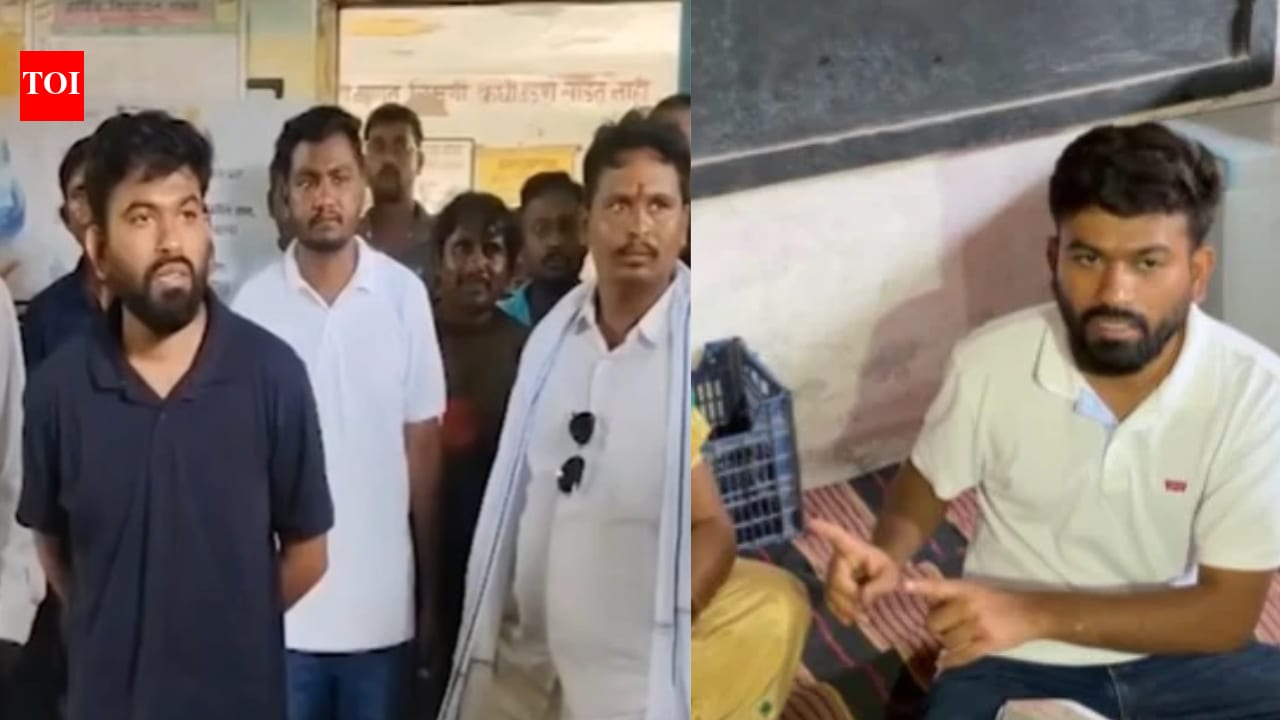
The Cockroach Janta Party (CJP) faces multiple legal challenges following confrontational school inspection visits in Jaipur and Latur. Authorities have registered cross-FIRs after reports of intimidation, unauthorized entry, and disruption of educational activities.
Tensions Rise Over CJP School Inspection Campaign
The Cockroach Janta Party (CJP), led by founder Abhijeet Dipke, has recently become the center of legal and social controversy following a series of high-profile visits to government schools in Jaipur and Latur. As part of their 'School Thik Karo' (Improve Government Schools) campaign, the party claims to be highlighting infrastructure failures and systemic neglect in public education. However, these inspections have rapidly devolved into confrontations with local residents and administrative staff.
The Jaipur Incident and Community Backlash
In Jaipur's Rampura Kanwarpura village, the situation escalated on August 21, 2026, when a CJP team arrived to inspect a school that had been forced to operate from a cattle enclosure due to unsafe building conditions. The visit triggered a violent confrontation, with the CJP accusing local residents of being affiliated with political rivals, while villagers filed a counter-complaint alleging that the large group of CJP members intimidated the local population. The subsequent filing of cross-FIRs highlights the deep-seated friction between political activists and rural communities regarding the boundaries of public oversight.
Legal Jeopardy in Latur
Simultaneously, in Maharashtra’s Latur district, the party is facing significant legal action. CJP convenor Abhijeet Dipke and his associates have been booked at the Ausa police station for unauthorized entry into a Zilla Parishad Urdu school. The complaint, filed by a 53-year-old education department employee, alleges that the group disrupted classes, harassed teachers in front of students, and filmed the proceedings for social media consumption. These actions have raised serious questions about the ethics of political campaigning within sensitive educational environments.
The Intersection of Activism and Harassment
While the CJP maintains that their mission is to expose the degradation of government schools—such as the facility in Rampura Kanwarpura that lacked proper infrastructure—the methods employed have drawn widespread condemnation from educators. By prioritizing the creation of viral social media content over formal administrative channels, the party has been accused of infringing on the privacy of teachers and the learning environment of students. The act of filming and circulating footage of school staff has been legally categorized as a form of disruption rather than legitimate public interest advocacy.
Broader Implications for Educational Policy
These events underscore a growing trend where political entities use 'direct action' in public institutions to gain visibility. While the underlying issues—such as schools functioning in cattle enclosures—are legitimate concerns for public policy, the shift toward confrontational tactics poses a risk to the stability of the education system. The authorities' response, involving formal police registration of FIRs, suggests a hardening stance against interventions that bypass official departmental protocols.
Future Trends and Outlook
As investigations continue in both Rajasthan and Maharashtra, the CJP faces a critical juncture. The party must reconcile its stated goal of reform with the legal repercussions of its current tactics. Future trends likely involve stricter enforcement of school access policies by local administrations to protect faculty and students from unauthorized political visitors. Should these campaigns continue to result in legal volatility, the CJP may find its ability to conduct on-site inspections severely curtailed by judicial or administrative restraining orders.
Multiple Citing Sources