‘How can any kid use this?’: Dipke flags dirty toilets at govt school in his native Maharashtra village
Source Entity
Latest News: Todays Latest News Headlines from India & World | Hindustan Times | Hindustan Times
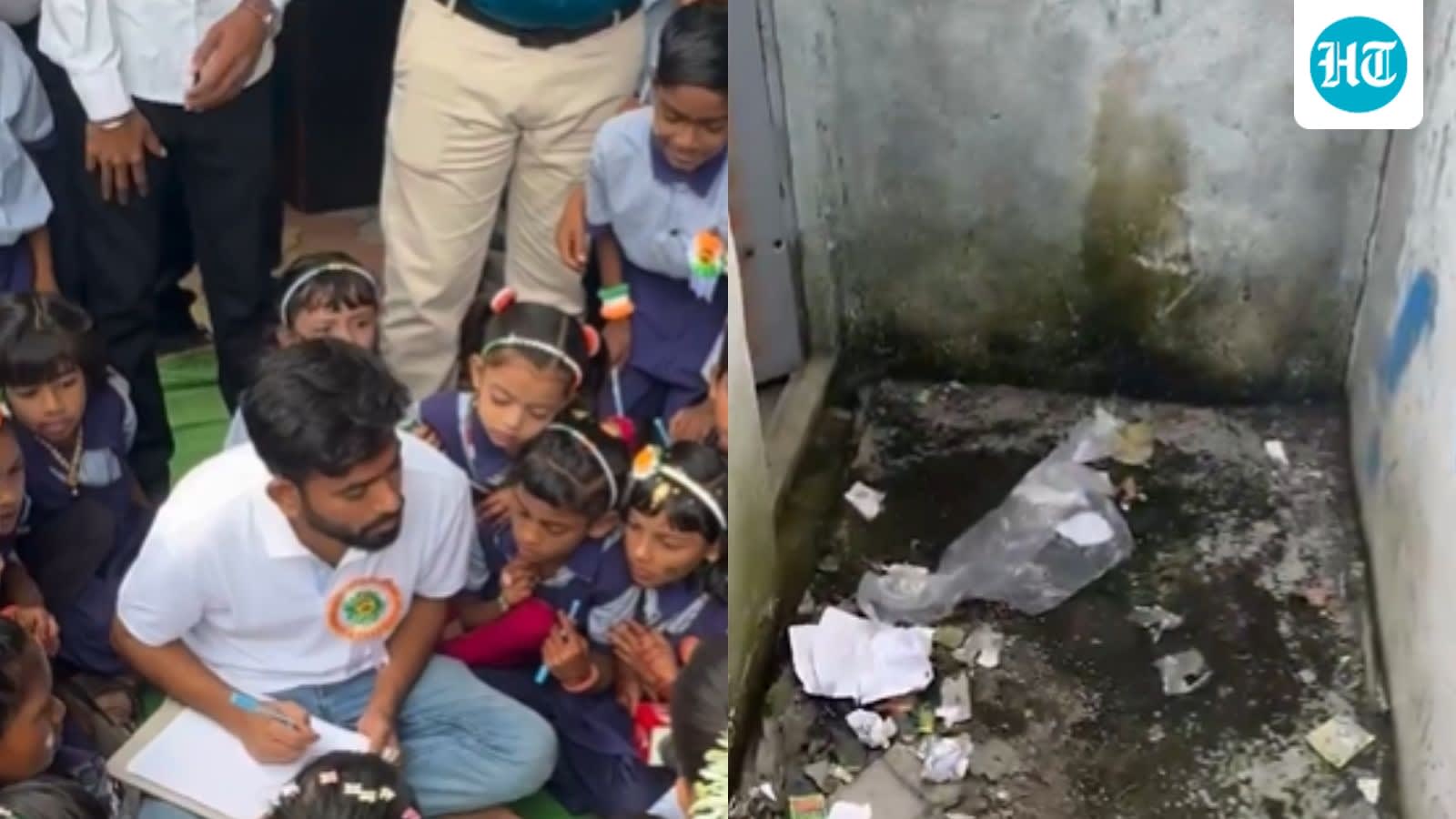
The Cockroach Janta Party has launched the 'School Thik Karo' campaign to conduct social audits of rural government schools. The initiative highlights severe infrastructure failures, including poor sanitation and lack of basic resources, while advocating for student-led accountability.
The 'School Thik Karo' Initiative: A Grassroots Push for Educational Accountability
The launch of the 'School Thik Karo' (Fix the School) campaign by Abhijeet Dipke, founder of the Cockroach Janta Party (CJP), marks a significant shift in how rural infrastructure grievances are being addressed in India. By initiating the campaign in his native village of Santuk Pimpri in the Hingoli district of Maharashtra, Dipke has utilized the symbolic timing of Independence Day to highlight the stark disparity between national progress and the reality of rural government schools.
Identifying Systemic Failures
Through the use of social audits, the campaign seeks to bypass traditional bureaucratic delays by empowering parents and local residents to report deficiencies directly using a standardized assessment form. The initial audit in Hingoli revealed a grim landscape: broken windows, a complete lack of benches, and non-functional, unhygienic toilets. Dipke’s direct interaction with students, specifically seeking their feedback on amenities, highlights a 'bottom-up' approach to governance that places the immediate needs of the children at the center of the policy discussion.
The Intersection of Protest and Policy
Beyond the initial audit in Maharashtra, the CJP has expanded its influence by supporting protests in other regions, such as the Alwar district of Rajasthan. In the case of the Government Senior Secondary School at Jodhawas, the movement transitioned from simple audits to active protest following a dangerous structural failure where a slab fell from the school roof. The presence of CJP activists amidst these protests underscores the growing frustration regarding not just physical infrastructure, but also critical staffing shortages, such as the vacancy of five out of six senior teaching posts.
Broader Implications for Rural Education
This movement highlights a persistent, nationwide issue where even decades after independence, basic facilities—the fundamental right of students—remain neglected. The campaign’s focus on 'social audits' challenges local authorities to reconcile government data with on-the-ground reality. By documenting the lack of drinking water and sanitation through digital media, the CJP is effectively leveraging public pressure to compel administrative action.
Challenges and Future Outlook
As the campaign gains momentum, it faces significant hurdles, including friction with local political elements and law enforcement, as evidenced by the reported confrontations in Rajasthan. However, the 'School Thik Karo' model suggests a future where digital documentation and community-led auditing become standard tools for civic engagement. The success of this campaign will likely depend on the ability of its organizers to maintain pressure on educational departments to translate audit findings into tangible structural repairs and teacher recruitment.
Conclusion
In summary, the 'School Thik Karo' campaign serves as a critical mirror reflecting the state of rural education infrastructure. By formalizing the reporting of deficiencies and aligning with local student protests, the CJP is attempting to institutionalize accountability in a sector where oversight has historically been fragmented. The movement underscores that for India’s rural youth, the path toward a better education begins with the basic necessity of a safe, functional, and equipped learning environment.
Verification Required?