MP children fall ill in bid to set Tiranga yatra record
Source Entity
TNN
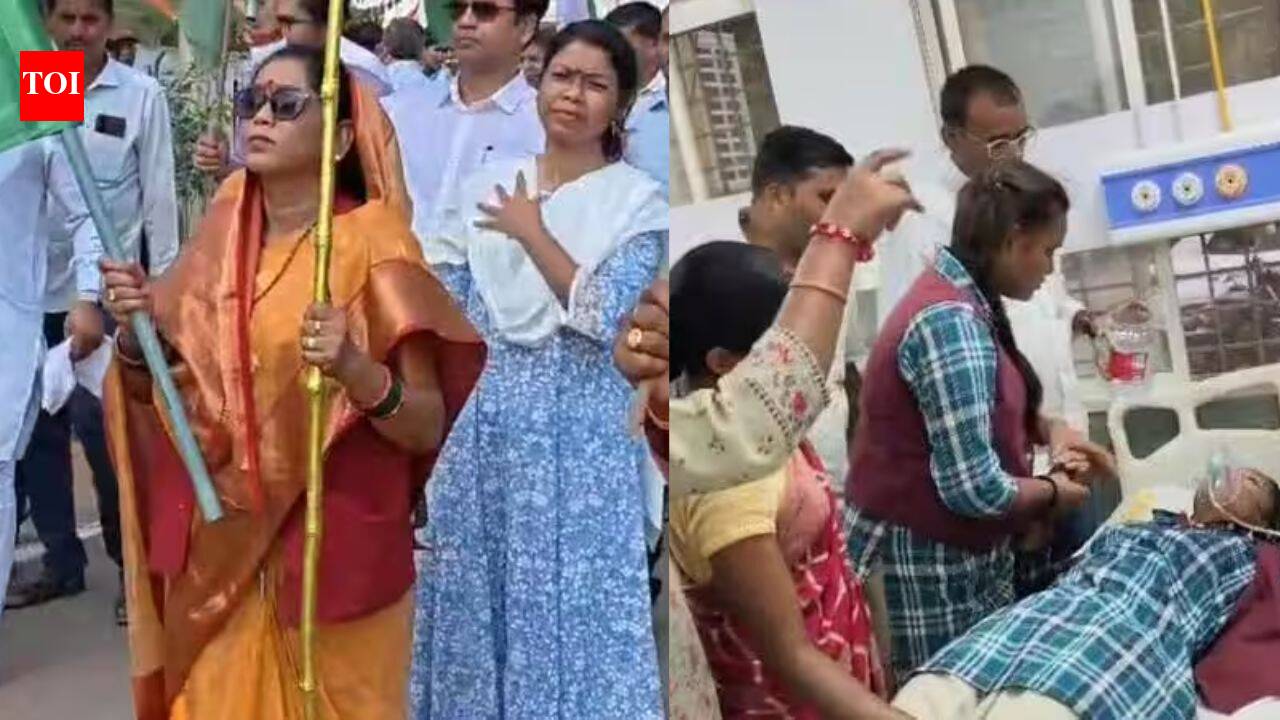
Twelve students in Madhya Pradesh's Singrauli district fell ill after a Tiranga Yatra where they waited for a state minister. The incident, involving children from eight schools, has led to official show-cause notices.
Incident Overview: Tiranga Yatra Health Crisis
A disturbing incident unfolded in the Singrauli district of Madhya Pradesh, where twelve students fell ill during a 'Tiranga Yatra' procession. The event, which involved over 200 children from eight government and affiliated schools, was intended to be a patriotic demonstration. However, the logistical mismanagement turned the gathering into a health crisis, as students were reportedly forced to wait for nearly an hour for the arrival of the state panchayat and rural development minister, Radha Singh.
Factors Contributing to the Health Emergency
The deterioration of the students' health is attributed to a combination of physical exhaustion and neglect of basic needs. Participating children walked approximately six kilometers to reach the Chitrangi market under the heat. Compounding the physical strain was the fact that many students had reportedly skipped breakfast, and there were inadequate water arrangements provided at the venue. This systemic failure to provide basic hydration and nutrition during a physically demanding outdoor activity highlights a significant lapse in event planning.
Medical Response and Severity
The medical urgency was underscored by the condition of one student, who experienced acute breathing difficulties. This child required immediate oxygen support before being transported to a nearby community health centre. While officials later confirmed that all twelve affected students received necessary medical attention and were subsequently discharged, the incident raises serious concerns regarding the safety protocols in place for school-led public events involving minors.
Administrative Accountability and Oversight
In the wake of the incident, the local administration has initiated a formal inquiry, issuing show-cause notices to the responsible officials. This move is a critical step in addressing the negligence that led to the children being left to wait in potentially hazardous conditions. The accountability process is essential to determine why the scheduling was mismanaged and why the health and safety of the students were not prioritized over the timing of the minister's arrival.
Broader Implications for School Events
This incident serves as a stark reminder of the potential dangers when school children are utilized for public displays or political-adjacent events. The reliance on students to fill out crowds for such processions often occurs without sufficient regard for their physical well-being. Going forward, the incident in Singrauli necessitates a stricter regulatory framework for school participation in public events, ensuring that prior risk assessments, including water, food, and emergency medical support, are strictly enforced.
Conclusion and Future Outlook
While the immediate crisis was resolved with the discharge of the students, the event remains a cautionary tale for government organizers. Moving forward, the administration must ensure that the health of minors is never secondary to the optics of official functions. The show-cause notices represent an initial step toward accountability, but lasting change will require a fundamental shift in how student participation is managed in public, state-led programs.