Beyond the metros: Why coastal Karnataka is becoming a commercial property story worth watching
Source Entity
Latest News: Today's Latest News Headlines from India & World | Hindustan Times | Hindustan Times
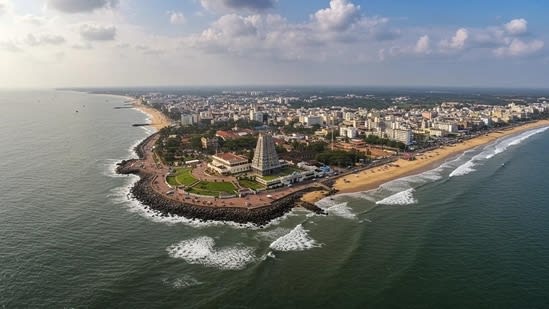
As office demand spreads beyond India's major metros, Grade-A commercial assets in cities such as Mangaluru are emerging as the next growth frontier.
The Decentralization of India's Commercial Real Estate
For decades, the narrative of corporate India has been inextricably linked to a handful of Tier-1 metropolitan hubs. Cities like Bengaluru, Mumbai, and Delhi-NCR have long held a monopoly over high-end office spaces and corporate headquarters. However, a significant structural shift is currently underway. The emergence of coastal Karnataka, specifically cities like Mangaluru, as a commercial property "growth frontier" signals a broader trend of decentralization. This movement is not merely a relocation of offices but a strategic pivot toward regional hubs that offer a balance of infrastructure, talent, and cost-efficiency.
The Drivers of Tier-2 Urban Migration
The shift beyond the metros is driven by a combination of macroeconomic pressures and evolving workplace dynamics. In major metros, the saturation of prime office districts has led to exorbitant rental costs and crippling traffic congestion, which often diminish overall employee productivity. Furthermore, the post-pandemic adoption of hybrid work models has decoupled the necessity of being physically present in a primary city. Companies are now exploring "satellite office" strategies, allowing them to tap into local talent pools in cities like Mangaluru while significantly reducing operational overheads.
Mangaluru's Strategic Competitive Advantage
Mangaluru is uniquely positioned to capitalize on this trend due to its inherent geographical and intellectual assets. As a major port city, it provides an essential gateway for trade and logistics, offering a strategic advantage for businesses involved in import-export or maritime services. Beyond logistics, the region is a renowned educational hub, housing prestigious institutions that produce a consistent stream of high-quality graduates in engineering, medicine, and management. This availability of skilled human capital makes coastal Karnataka an attractive destination for firms looking to establish operations without the fierce talent wars typical of the Bengaluru tech corridor.
The Significance of Grade-A Assets
The emphasis on "Grade-A commercial assets" is a critical detail in this development. Grade-A properties are characterized by high-quality construction, modern amenities, sustainable energy certifications (such as LEED), and professional facility management. The introduction of these assets in a non-metro setting indicates a maturation of the local real estate market. Multinational corporations (MNCs) and established enterprises typically require these standards to maintain global brand consistency and employee wellness. The arrival of Grade-A spaces in Mangaluru acts as a catalyst, signaling to other investors that the city is ready for high-value corporate occupancy.
Regional Economic Ripple Effects
The growth of the commercial sector in coastal Karnataka is expected to trigger a powerful economic multiplier effect. As high-paying corporate roles move into the region, there will be a commensurate increase in demand for premium residential housing, luxury hospitality, and high-end retail services. This transformation prevents the "brain drain" typically seen in smaller cities, where the most talented youth migrate to metros for work. By creating a local ecosystem of high-value employment, Mangaluru is evolving from a regional administrative and educational center into a self-sustaining economic engine.
Future Trends and Infrastructure Outlook
Looking forward, the sustainability of this growth will likely depend on continued infrastructure investment. The expansion of regional airport capacities and the improvement of highway connectivity between coastal cities and the interior of Karnataka will further integrate these hubs into the national economy. We can predict a trend where the "hub-and-spoke" model becomes the standard for Indian enterprises, with the metro serving as the administrative hub and cities like Mangaluru serving as high-efficiency operational spokes. This will likely lead to a more balanced distribution of wealth and development across the state.
Conclusion
In summary, the rise of coastal Karnataka as a commercial property hotspot is a reflection of a maturing Indian economy that is outgrowing its reliance on a few overcrowded metros. By leveraging its strategic port location, academic strengths, and the development of Grade-A infrastructure, Mangaluru is positioning itself as a viable alternative for corporate expansion. This shift not only benefits the real estate sector but promises a broader socio-economic uplift for the entire coastal region.
Verification Required?