A retired police officer thought he was being scammed, then found a $300K insurance policy in his name
Source Entity
Yahoo Finance
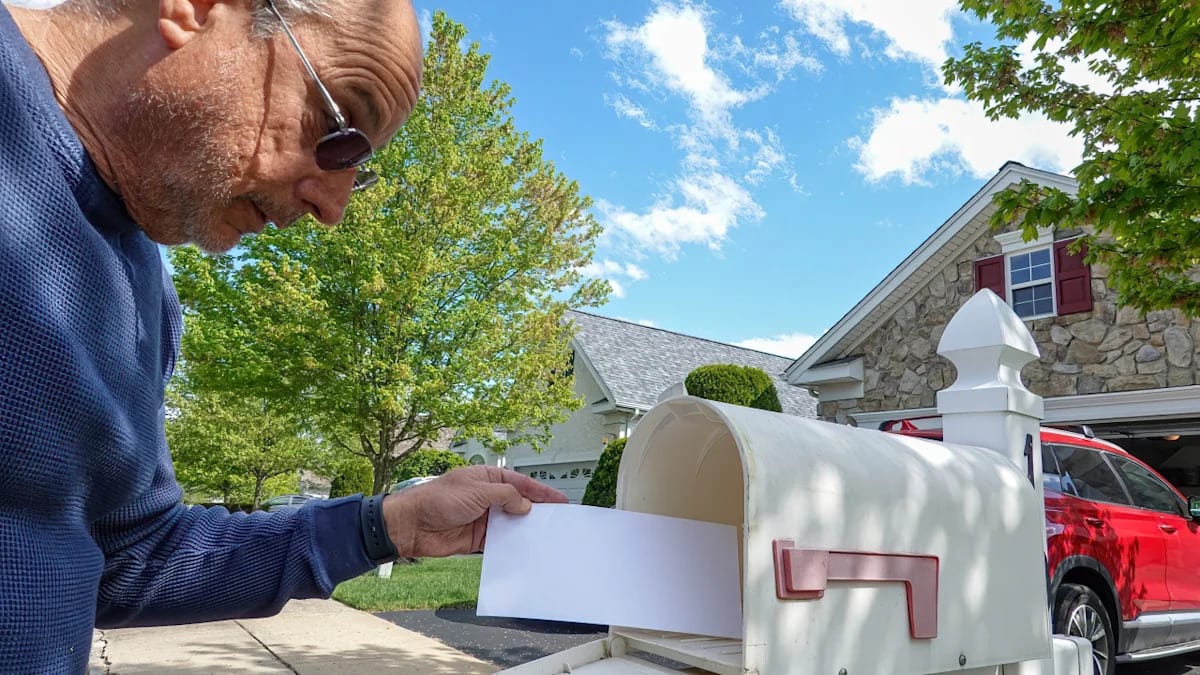
Alan Budman / Shutterstock When Charles Rahn received a suspicious letter in the mail asking for his bank and credit card information, he immediately assumed it was a scam. "(They're) trying to scam...
The Fine Line Between Vigilance and Windfalls
In an era defined by an unprecedented surge in sophisticated phishing attacks and financial fraud, the story of Charles Rahn serves as a poignant case study in the psychology of security. Rahn, a retired police officer, found himself in a paradoxical situation: the very training and professional skepticism that protected him throughout his career nearly cost him a life-changing sum of money. Upon receiving a letter requesting his bank and credit card information, Rahn's instinctual response was to categorize the communication as a scam. This reaction is not only understandable but is the recommended behavior for most citizens in the digital age, where 'social engineering' is used to strip individuals of their savings.
The Paradox of Professional Skepticism
For law enforcement professionals, the ability to identify 'red flags' is a survival skill. The request for sensitive financial data via mail or email is a classic hallmark of a fraudulent scheme. Rahn's hesitation highlights a growing systemic issue in corporate communication: as scammers mimic the language of legitimate institutions, those institutions often fail to evolve their outreach methods to maintain trust. When a company asks for banking details in a manner that mirrors a phishing attempt, they create a 'trust vacuum.' In this instance, the gap between the company's intent (to distribute funds) and the recipient's perception (a fraudulent attempt to steal funds) nearly resulted in a significant financial loss for the policyholder.
Understanding Unclaimed Assets and Dormant Policies
This event sheds light on the broader, often invisible world of unclaimed property and dormant insurance policies. Across the globe, billions of dollars sit in forgotten accounts, life insurance policies, and uncashed dividends. Many of these assets belong to individuals who have changed addresses, forgotten about a policy taken out by a relative, or simply lost track of a legacy financial product. The discovery of a $300,000 policy suggests that this was likely a long-term investment or a whole-life policy that had accrued significant value over decades, remaining unnoticed until the company attempted to reconcile its records.
The Impact of Financial Windfalls on Retirement
From a financial planning perspective, a $300,000 windfall for a retiree can fundamentally alter their quality of life and long-term security. In the context of inflation and rising healthcare costs, such a sum provides a critical buffer that can transition a retirement from one of strict budgeting to one of comfort and stability. However, the irony remains that the mechanism for delivering this security—the notification letter—was designed in a way that triggered the recipient's defense mechanisms. This underscores the need for financial institutions to implement more secure, multi-factor verification processes that do not rely on suspicious-looking requests for data.
Future Trends in Asset Recovery and Verification
Looking forward, this incident predicts a necessary shift in how financial entities handle unclaimed assets. We are likely to see a move toward integrated government databases and blockchain-based identity verification to eliminate the need for 'suspicious' mailers. As AI-driven scams become more convincing, the 'blind trust' model of mail communication will become entirely obsolete. Companies will be forced to adopt 'pull' rather than 'push' communication strategies, directing users to secure portals rather than asking for sensitive data to be provided in response to a letter.
Conclusion
Charles Rahn's experience is a reminder that while vigilance is the best defense against fraud, verification is the only way to ensure that legitimate opportunities are not missed. His story emphasizes the critical importance of cross-referencing suspicious communications with official sources. Ultimately, the discovery of the $300,000 policy is a victory of persistence over suspicion, illustrating that occasionally, the 'too good to be true' scenario is actually a long-forgotten reality.