'Dirty Jobs' host Mike Rowe: Gen Z electricians are making up to $280,000 at AI data centers
Source Entity
Yahoo Finance
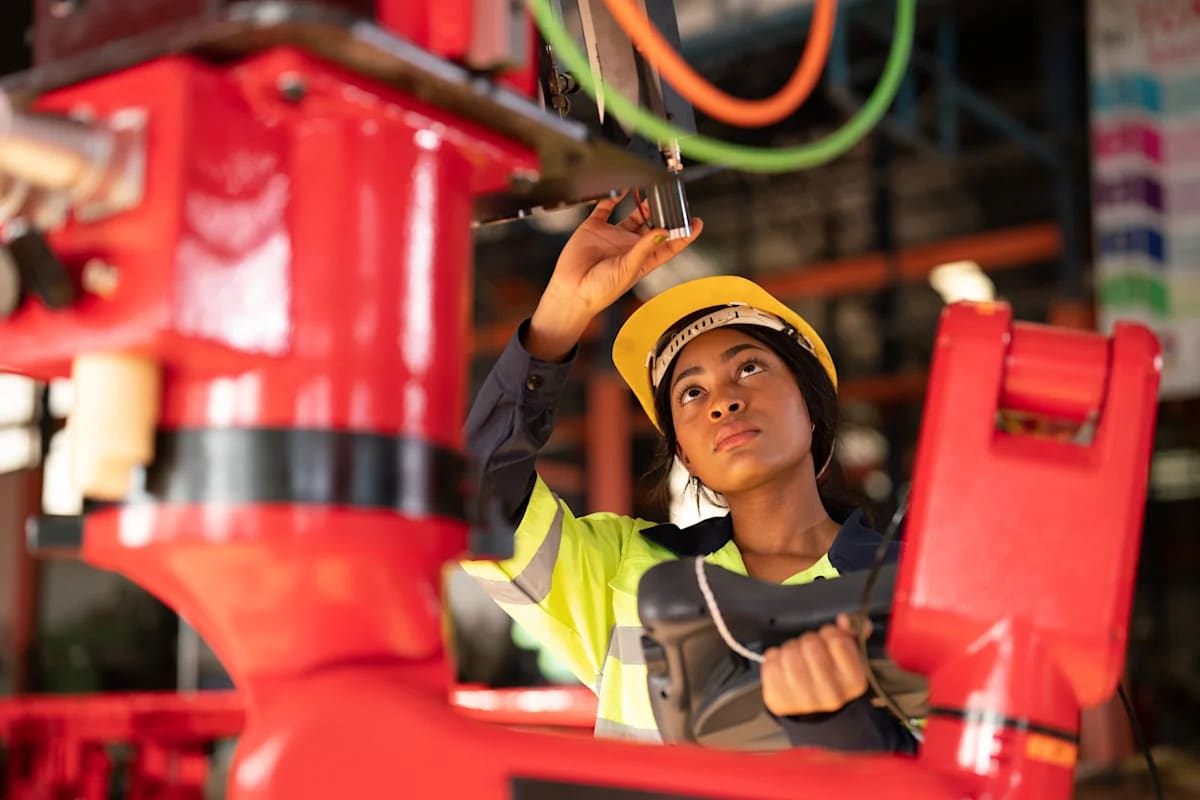
Listen and subscribe to Power Players with Brian Sozzi on Apple Podcasts, Amazon Music, Spotify, YouTube, or wherever you find your favorite podcasts. "Dirty Jobs" creator and host Mike Rowe says it'...
The Convergence of Skilled Trades and the AI Revolution
In a recent discussion on the Power Players podcast, Mike Rowe, the renowned creator and host of Dirty Jobs, highlighted a startling economic trend: Gen Z electricians are commanding salaries up to $280,000 while working on AI data centers. This revelation underscores a critical pivot in the modern labor market, where the intersection of high-tech digital evolution and traditional physical infrastructure is creating unprecedented financial opportunities for skilled tradespeople. Rowe's observation serves as a case study for how the artificial intelligence boom is not just benefiting software engineers and chip designers, but is also fueling a massive windfall for the blue-collar workforce responsible for powering these systems.
The Infrastructure Bottleneck of Artificial Intelligence
To understand why a Gen Z electrician can earn nearly $300,000, one must examine the physical requirements of generative AI. Large Language Models (LLMs) require massive clusters of GPUs (Graphics Processing Units), which consume an extraordinary amount of electricity and generate immense heat. This has led to a global surge in the construction of hyperscale data centers. These facilities are not merely warehouses for servers; they are complex electrical engineering marvels requiring high-voltage power distribution, sophisticated cooling systems, and redundant power grids. The sudden, explosive demand for these facilities has far outpaced the available supply of certified electricians, creating a severe labor bottleneck that drives wages upward.
Challenging the 'College-for-All' Narrative
Mike Rowe has long been a vocal critic of the societal push toward universal four-year college degrees, arguing that it has led to a systemic shortage of skilled trades. The fact that Gen Z—a generation often characterized by its digital fluency and academic pursuits—is finding extreme financial success in electrical work validates Rowe's long-standing thesis. This trend suggests a market correction where the 'skills gap' is being filled by a new wave of workers who recognize that specialized technical certifications can be more lucrative than traditional degrees. The ability to install and maintain the power infrastructure for AI is now a high-value specialty, effectively turning the electrical trade into a high-stakes technical profession.
Economic Implications and Wage Inflation
The reported $280,000 earnings figure is likely a combination of base pay, overtime, and 'per diem' or travel premiums associated with the rapid deployment of data centers across various regions. This level of compensation indicates a state of 'extreme scarcity' in the labor market. When tech giants like Microsoft, Google, and Amazon race to build AI capacity, the timeline for completion becomes more valuable than the cost of labor. Consequently, they are willing to pay premium rates to secure the few qualified electricians capable of handling the complexity of data center grids. This creates a ripple effect, raising the floor for wages across the electrical trade and making the profession highly competitive.
Future Trends: The Rise of the 'New Collar' Worker
Looking ahead, this trend is likely to evolve into a permanent shift toward 'New Collar' jobs—roles that require specialized technical training but not necessarily a four-year degree. As AI continues to integrate into every sector of the economy, the demand for power infrastructure will only grow, potentially expanding into smart grids and renewable energy integration. We can expect to see a surge in vocational training enrollments as more Gen Z and Alpha workers witness the financial viability of these roles. The synergy between AI software and the hardware that supports it ensures that the 'dirty jobs' of today are becoming the high-paying technical careers of tomorrow.
Summary
Mike Rowe's insight reveals that the AI revolution is creating a gold rush for skilled trades, specifically for electricians capable of building the power-hungry infrastructure required for data centers. By bridging the gap between the digital and physical worlds, a segment of Gen Z is achieving financial success that rivals or exceeds that of traditional white-collar professionals. This shift not only addresses the critical skills gap in the US workforce but also redefines the perceived value of vocational expertise in a tech-driven economy.