Two college students drown in quarry in Mumbai’s Dahisar
Source Entity
Naresh S
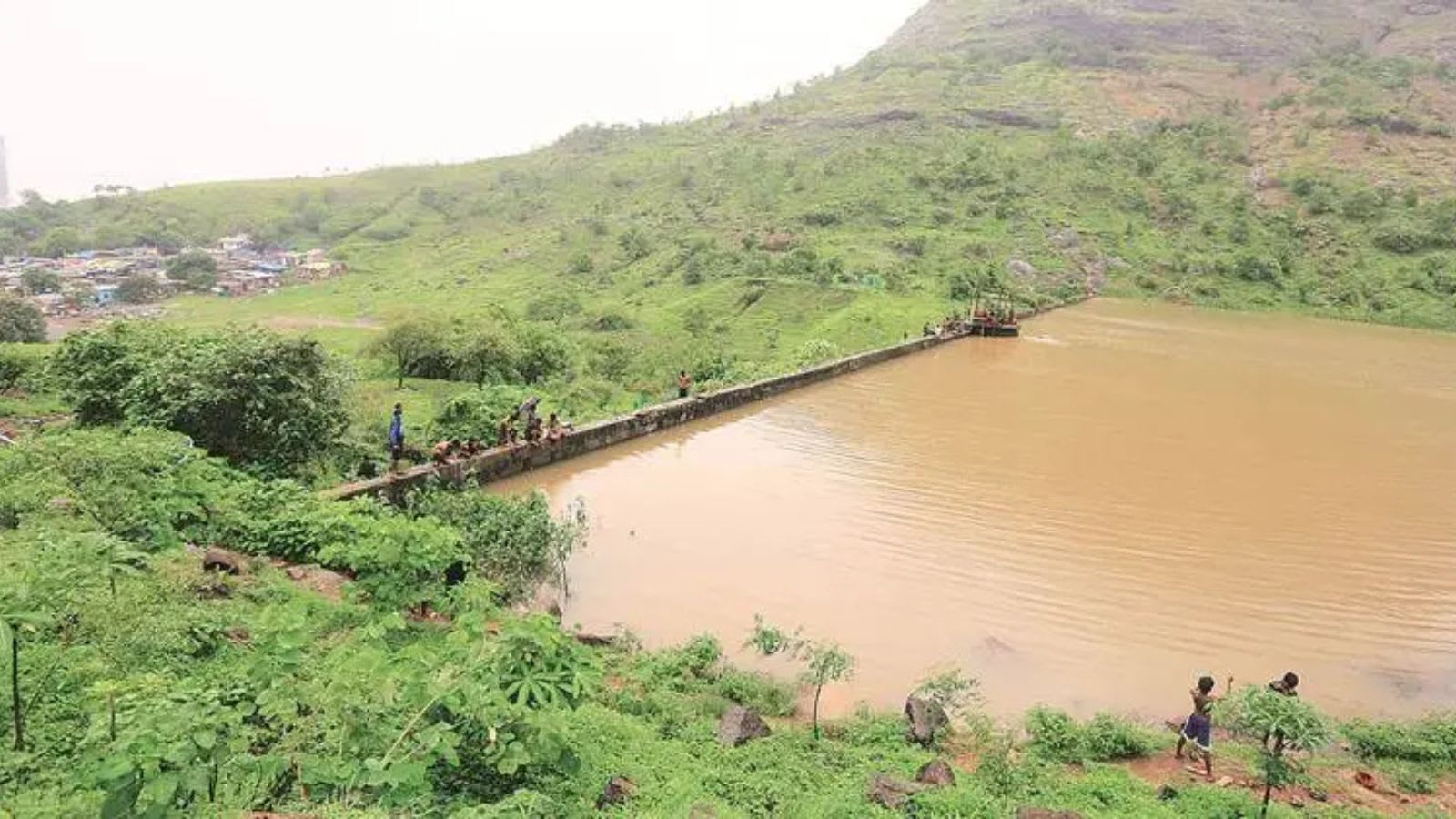
Police said the two were part of a group of four college students who had gone to the quarry to swim. (Representational Image) Two 19-year-old college students drowned while swimming in an abandoned ...
Tragedy in Dahisar: Analysis of the Quarry Drowning Incident
In a heartbreaking incident in Mumbai's Dahisar suburb, two 19-year-old college students lost their lives after drowning in an abandoned quarry. The victims were part of a larger group of four students who had ventured to the site for a swim, highlighting a dangerous trend of youth seeking recreation in unsecured, industrial wasteland areas. This event underscores the lethal risks associated with abandoned infrastructure in rapidly urbanizing regions.
The Peril of Abandoned Quarries
Abandoned quarries are notorious "death traps" due to several environmental factors. Unlike managed swimming pools or natural beaches, quarry pits often contain extremely deep water with unpredictable currents and varying temperature layers that can cause sudden muscle cramps or "cold water shock," leading to immediate distress for swimmers. Furthermore, the edges of these quarries are often unstable, consisting of loose rock and silt that can cause a swimmer to slip or become trapped in underwater debris, making rescue operations exceptionally difficult for emergency services.
Urbanization and the Lack of Safety Infrastructure
Dahisar, located in the northern part of Mumbai, represents the intersection of dense urban sprawl and remaining industrial or natural pockets. The existence of an accessible, abandoned quarry in such an area points to a significant gap in municipal oversight and safety enforcement. When industrial sites are abandoned, they often lack proper fencing, warning signage, or security patrols. This negligence transforms hazardous industrial zones into attractive, albeit deadly, destinations for local youth looking for secluded spots to socialize away from the city's crowded public spaces.
Youth Risk-Taking and Social Dynamics
At 19, college students are in a developmental stage characterized by increased risk-taking behavior and a desire for adventure. The decision to swim in an abandoned quarry is often driven by a perceived sense of invincibility or the social pressure to engage in "off-the-beaten-path" activities. In this specific case, the presence of a group of four suggests a shared decision-making process where the perceived thrill outweighed the visible dangers. This tragedy highlights the need for better awareness programs within educational institutions regarding the dangers of "urban exploration" and swimming in non-designated water bodies.
Broader Implications for Public Safety
This incident is not an isolated event but part of a broader pattern of accidental deaths in unsecured industrial zones across India's metropolitan fringes. The legal and ethical responsibility of the land owners and the municipal corporation comes into question when such sites are left open to the public. There is an urgent need for a comprehensive audit of abandoned quarries and construction pits across Mumbai to ensure they are either backfilled or permanently sealed with high-security fencing to prevent future tragedies.
Conclusion and Future Outlook
The drowning of these two young students is a preventable tragedy that serves as a grim reminder of the dangers lurking in the city's periphery. Moving forward, the focus must shift toward proactive urban management and the implementation of strict safety protocols for abandoned land. By combining better physical barriers with public safety campaigns, authorities can ensure that the pursuit of recreation does not end in such a devastating loss of life.