College kids are moving into retirement communities for reasons beyond ‘cheap rent’
Source Entity
Jessica Hall
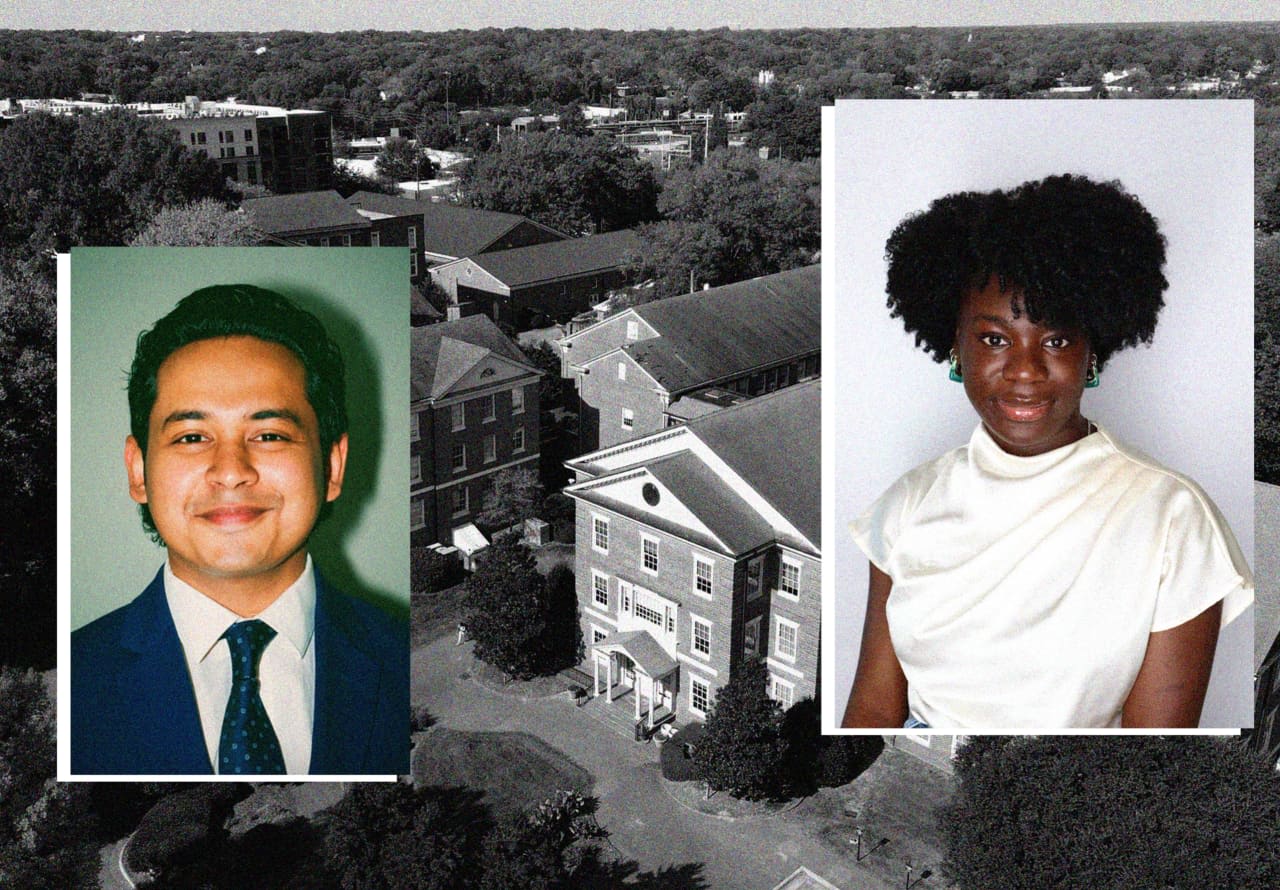
College students are increasingly moving into retirement communities to secure affordable housing while fostering intergenerational connections. These arrangements go beyond financial savings, involving active social participation and mutual support between age groups.
The Rise of Intergenerational Living
In an era defined by soaring housing costs and a deepening sense of social isolation, a novel living arrangement is gaining momentum: college students moving into retirement communities. This trend, while initially driven by the pragmatic need for affordable rent, is evolving into a multifaceted social experiment that bridges the gap between different stages of life. By integrating younger generations into senior living facilities, these communities are actively combatting the loneliness epidemic that often plagues the elderly while providing students with stable, secure environments in which to study.
Beyond the Financial Incentive
While the primary catalyst for this shift is undoubtedly the economic pressure on students, the implications extend far beyond the balance sheet. The narrative surrounding these arrangements highlights a shift in how we perceive communal living. Students are not merely tenants; they are becoming active participants in the daily lives of their older neighbors. Whether through organizing game nights or leading specialized gym classes, these young adults are infusing these spaces with fresh energy and technical literacy, creating a symbiotic environment where both parties benefit from the exchange of experiences and skills.
The Dynamics of Shared Space
Living in a retirement community requires a significant adjustment for a college-aged individual, particularly regarding lifestyle and tempo. As noted in recent reports, the transition from the bustling, often nocturnal life of a university campus to a setting where, as one student noted, "things get pretty quiet" by 7:30 or 8:00 PM, is stark. This contrast underscores the maturity required for students to thrive in these settings. They must balance their academic commitments with the rhythms of a community that prioritizes tranquility and structured routines, fostering a unique form of self-discipline.
Fostering Intergenerational Bonds
At its core, this trend is a powerful response to the age-segregation that characterizes much of modern society. By facilitating daily interactions, these retirement homes provide a platform for storytelling, mentorship, and the breaking down of generational stereotypes. Seniors gain a window into the challenges and aspirations of today’s youth, while students gain access to the historical perspective and guidance of those with decades of life experience. These connections serve as a social glue, reinforcing the idea that community is not defined by age, but by shared presence.
Future Trends and Sustainability
Looking ahead, the success of this model suggests a scalable solution to two distinct societal problems: the housing shortage for students and the social isolation of the elderly. As universities and private developers observe the positive outcomes of these pilot programs, we may see more formal partnerships between educational institutions and senior living providers. If these arrangements can continue to balance the distinct needs of both groups—respecting the quietude required by seniors while supporting the social and academic needs of students—they could become a permanent fixture in the modern urban landscape.
Conclusion
Ultimately, the movement of college students into retirement communities represents a creative adaptation to current economic and social realities. While it is not a one-size-fits-all solution, the ability of these two disparate groups to coexist and enrich one another’s lives demonstrates the potential for thoughtful, community-driven housing models. By fostering these bonds, society can move toward more inclusive living environments that value the contributions of all generations.
Verification Required?