Colombian teen who started climate movement with six friends wins peace prize
Source Entity
TOI WORLD DESK
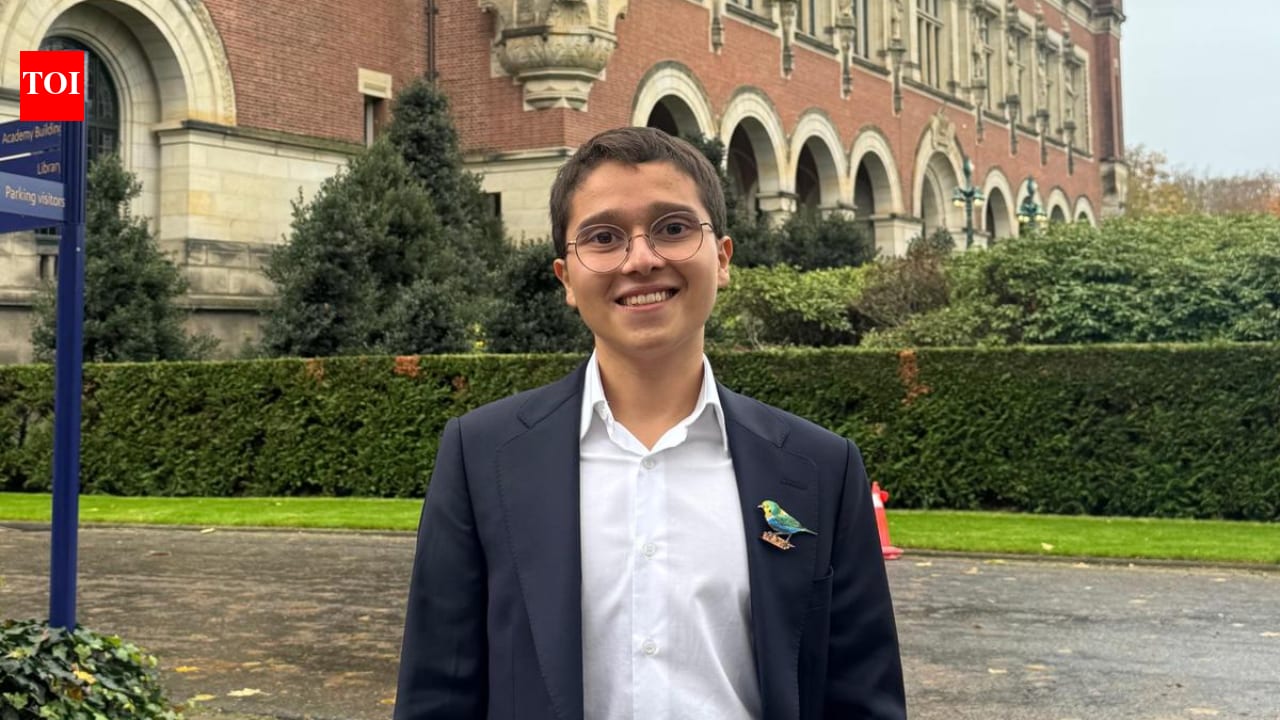
Francisco Javier Vera Manzanares has been awarded the 2026 International Children's Peace Prize for his climate activism. The 17-year-old founded the 'Guardians for Life' movement, which has grown to include over 1,400 young activists across Latin America.
A Voice for the Future: Francisco Vera Manzanares Wins 2026 Children's Peace Prize
The Genesis of a Movement
At just 17 years old, Francisco Javier Vera Manzanares has been honored with the 2026 International Children's Peace Prize, a testament to nearly a decade of environmental advocacy. His journey began at the age of nine, catalyzed by the catastrophic Amazon wildfires that devastated local ecosystems and highlighted the fragility of his home region. This early exposure to environmental trauma transformed him from a concerned child into a proactive leader, leading him to establish the 'Guardians for Life' movement alongside six friends. What started as a local initiative has blossomed into a transnational force, currently mobilizing over 1,400 young activists throughout Latin America to demand climate accountability.
Scaling from Local Grassroots to Global Recognition
The evolution of Vera Manzanares’ work underscores the power of youth-led activism in the modern era. By bridging the gap between local protest and engagement with international institutions, he has successfully elevated the discourse on climate justice. His selection from a competitive pool of 280 nominations spanning 57 countries validates the global urgency of his mission. The presentation of the award by Nobel Peace laureate Kailash Satyarthi at the Peace Palace in The Hague further solidifies his status as a prominent figure in the global fight for children's rights and environmental preservation.
The High Cost of Activism
Despite his achievements, Vera Manzanares’ path has not been without significant personal sacrifice. The severity of his advocacy, which challenges entrenched interests regarding environmental destruction, resulted in death threats that eventually forced him to flee his home country of Colombia. This reality highlights the dangerous environment often faced by environmental defenders in Latin America, where the protection of land and climate is frequently met with hostility. His resilience in the face of such adversity serves as a sobering reminder of the stakes involved in climate activism.
Broader Implications for Youth Advocacy
The recognition of Vera Manzanares alongside two other young activists highlights a growing trend in global politics: the formal acknowledgment of youth as critical stakeholders in international policy. By integrating children's rights with climate justice, the International Children's Peace Prize committee is signaling a shift toward intergenerational equity. This recognition empowers younger generations to occupy space in political dialogues that were previously reserved for traditional diplomats and policy experts.
Future Trends and Legacy
Looking ahead, the success of the 'Guardians for Life' movement suggests that digital connectivity and grassroots mobilization will continue to be the primary tools for the next generation of activists. As Vera Manzanares continues his advocacy, his influence is likely to encourage more youth-led organizations to seek international platforms. His story is not just one of individual achievement, but a blueprint for how local environmental concerns can be scaled into global policy demands, ensuring that the voices of those most affected by climate change remain at the forefront of the international agenda.