Desperate appeals from women on death row in Iran after protests
Source Entity
BBC News
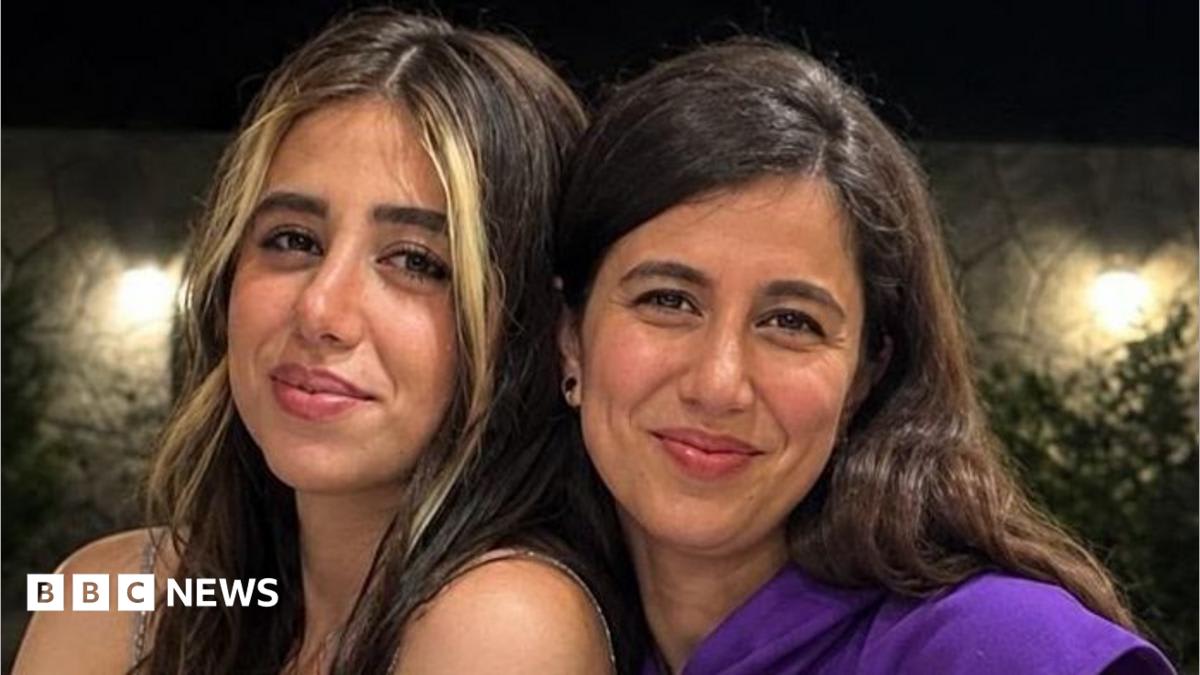
Female protesters in Iran, including 21-year-old Taraneh Rahimi, are facing death sentences following their participation in anti-government demonstrations. Reports indicate systematic abuse and coerced confessions within the prison system.
The Escalation of Capital Punishment in Iran
Recent reports from human rights organizations indicate a alarming surge in the number of female protesters and political dissidents receiving death sentences in Iran. This judicial trend represents a level of severity not witnessed in the country for several decades. At the heart of this crisis is the case of Taraneh Rahimi, a 21-year-old woman currently awaiting execution, whose situation highlights the harrowing reality faced by those who challenged the state during the anti-government protests that erupted in January.
The Human Toll: The Case of Taraneh Rahimi
The physical toll on Rahimi serves as a microcosm of the systemic abuse reportedly occurring within the Iranian detention system. According to her cousin, Masoud Nourmohammadi, Rahimi suffers from severe injuries, including an inability to walk properly due to beatings and an untreated ear infection resulting from a head injury. These details underscore the brutal conditions under which detainees are held, where lack of medical attention appears to be used as a tool of further punishment and psychological distress.
Coerced Confessions and Judicial Integrity
The legal process surrounding these death sentences is deeply concerning, particularly regarding the methods used to secure convictions. Reports indicate that Rahimi was coerced into signing a confession only after interrogators threatened her twin sister, Romina. This practice of using family members as leverage to extract admissions of guilt raises critical questions about the validity of the judicial process and the adherence to international legal standards concerning human rights and due process.
Systematic Abuse and Familial Trauma
The trauma extends far beyond the detainees themselves, impacting families who are forced to witness the physical destruction of their loved ones. Nourmohammadi’s account of the twins' mother being unable to recognize her own children due to severe facial swelling, bruising, and hair loss provides a visceral look at the state's treatment of its citizens. Such accounts suggest that the violence is not limited to isolated incidents but reflects a broader pattern of intimidation aimed at suppressing dissent.
Broader Implications and Future Trends
The international community has expressed mounting concern over these developments, noting that the use of the death penalty against protesters is a severe violation of fundamental rights. As Iran continues to face domestic instability, the reliance on harsh judicial measures may serve to temporarily stifle public outcry while simultaneously deepening the divide between the state and its youth population. The future of human rights in the region remains precarious as long as such punitive measures remain a central pillar of internal security policy.
Conclusion
The plight of Taraneh Rahimi and her contemporaries stands as a stark reminder of the risks associated with political activism in environments where the rule of law is severely compromised. As human rights groups continue to document these cases, the focus remains on whether international diplomatic pressure can mitigate the frequency of these death sentences or if the current trajectory of state-sanctioned violence will persist.