Rahul Gandhi Hosts High Tea For INDIA Bloc Day After Street Protest
Source Entity
NDTV News Search Records Found 1000
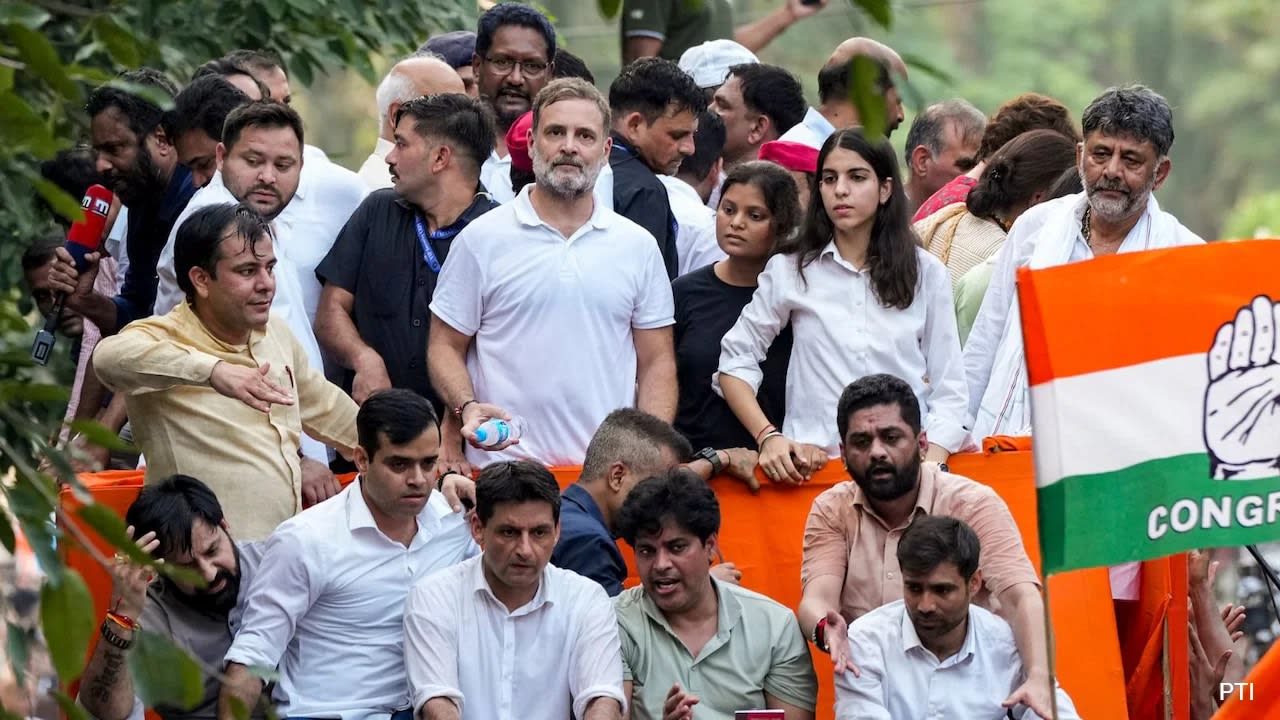
Congress leaders Mallikarjun Kharge and Rahul Gandhi's attempt to meet the Chief Justice of India regarding electoral integrity allegations was officially declined. The CJI cited the sub judice nature of the issues and the necessity of maintaining the separation of powers.
The Constitutional Standoff: Congress and the Judiciary
The recent announcement by Congress President Mallikarjun Kharge regarding a planned meeting with the Chief Justice of India (CJI) Surya Kant marks a significant escalation in the ongoing tension between the Opposition and constitutional institutions. Kharge, accompanied by senior leader Rahul Gandhi, sought to present formal grievances concerning the perceived erosion of electoral integrity, specifically utilizing the term “vote chori” to describe alleged malpractice. By framing the current political environment as an “undeclared Emergency,” the Congress party is signaling a strategic shift toward seeking judicial intervention in matters of electoral governance.
The Basis of the Opposition’s Concerns
The core of the Opposition's contention rests on their dissatisfaction with the current functioning of the Election Commission. Congress leaders argue that new legislative frameworks have facilitated electoral malpractice, thereby undermining the democratic process. By attempting to take these concerns directly to the head of the judiciary, the INDIA bloc aimed to elevate their protest from the parliamentary and public sphere into the highest seat of legal authority, seeking a check on what they view as executive overreach.
The Judiciary’s Refusal and Rationale
In a decisive move, CJI Surya Kant declined the request for a meeting scheduled for October 12, 2026. The refusal, communicated via email, was grounded in established legal principles. The CJI’s office clarified that the issues raised by the Opposition are already sub judice, meaning they are active matters under consideration by the Supreme Court. Engaging in private discussions on such topics could compromise the neutrality of the court and interfere with ongoing judicial processes.
Separation of Powers and Institutional Integrity
A critical element of the CJI’s rejection was the emphasis on the separation of powers. The judiciary is constitutionally mandated to remain independent from the executive and legislative branches, and by extension, must maintain distance from political party agendas to ensure public trust. The CJI highlighted that the court cannot intervene in the administrative functioning of the state or the political maneuvering of parties, as doing so would blur the lines that define the constitutional framework of Indian democracy.
Future Implications for Democratic Discourse
This episode underscores the deepening divide in Indian politics, where the legitimacy of electoral institutions is increasingly being contested. While the Opposition views this as a fight for the survival of constitutional democracy, the judiciary’s stance serves as a reminder that the courts are not a substitute for political consensus. Moving forward, this event is likely to fuel further debates about the role of the judiciary as the ultimate arbiter of democratic fairness versus its duty to remain aloof from partisan political battles.
Conclusion: A Balancing Act
Ultimately, the rejection of the meeting serves to preserve the sanctity of the judicial office. While the Congress party’s attempt to engage the CJI reflects their frustration with the current political landscape, the judiciary's refusal reinforces the necessity of institutional boundaries. As the nation navigates these heightened tensions, the reliance on formal legal channels—rather than private meetings—remains the only viable path for resolving disputes regarding the integrity of the electoral process.
Multiple Citing Sources
Verification Required?