Telangana officials view AP CM’s ‘give and take’ approach for resolving bifurcation issues with scepticism
Source Entity
India Latest News: Top National Headlines Today & Breaking News | The Hindu
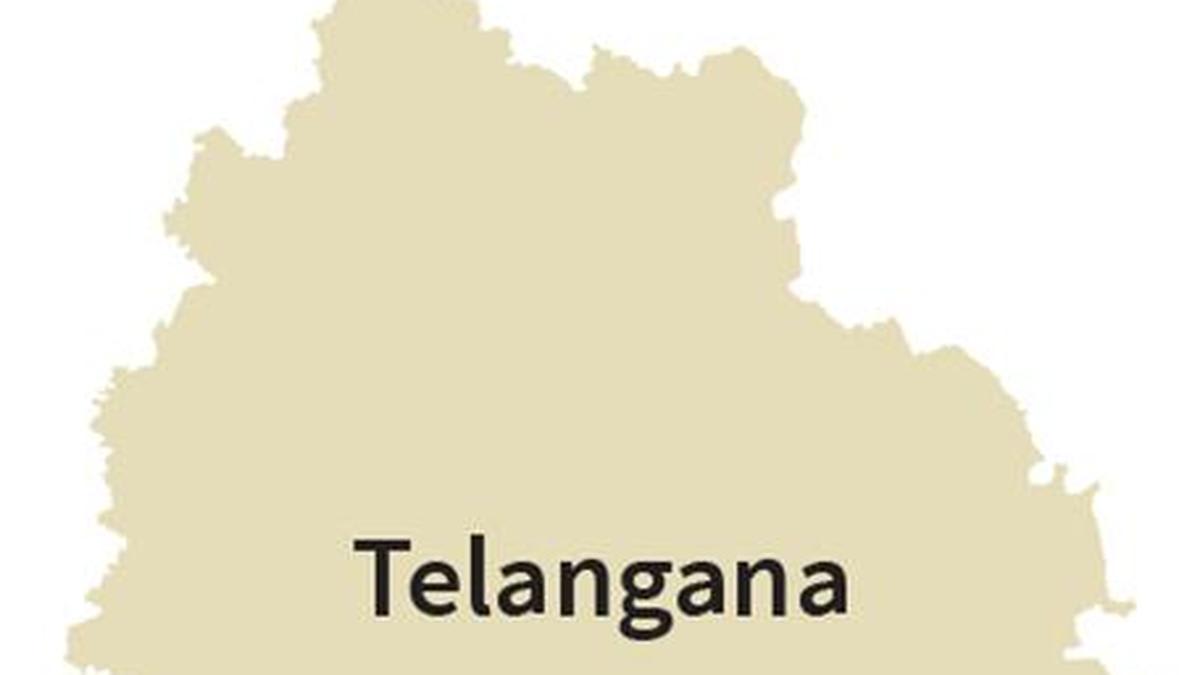
Andhra Pradesh CM N. Chandrababu Naidu has proposed a 'give and take' approach to resolve long-standing bifurcation issues between Andhra Pradesh and Telangana. However, Telangana officials remain skeptical, insisting that all disputes must be settled strictly within the legal framework of the AP Reorganisation Act, 2014.
The Bifurcation Standoff: A Clash of Approaches
Recent developments in the relationship between Andhra Pradesh and Telangana have brought the long-standing disputes stemming from the 2014 state bifurcation back to the forefront. Andhra Pradesh Chief Minister N. Chandrababu Naidu recently advocated for a 'give and take' methodology to address these unresolved matters. This proposal, voiced during the Southern Zonal Council meeting, represents a shift toward informal, bilateral negotiation as a means to expedite the closure of issues that have lingered for over a decade.
The Legal Framework vs. Pragmatic Diplomacy
The core of the current tension lies in a fundamental disagreement over the mechanism for resolution. While Chief Minister Naidu seeks a flexible, pragmatic approach, the Telangana government remains steadfast in its commitment to the Andhra Pradesh Reorganisation Act, 2014. For Telangana officials, the Act serves as the definitive legal blueprint, and they view any deviation from its specified provisions as an attempt to undermine the rights and assets rightfully allocated to their state during the separation process.
Skepticism in the Telangana Administration
Telangana’s delegation, led by Deputy Chief Minister Mallu Bhatti Vikramarka, has signaled significant skepticism toward the 'give and take' proposal. Officials in Hyderabad perceive this rhetoric as a strategy to circumvent the rigid legal requirements of the 2014 Act. By prioritizing a negotiated settlement over strict adherence to the Act, the Telangana government fears that their state might relinquish claims to essential resources or financial settlements that are already guaranteed under the current legislative framework.
Historical Context and Lingering Disputes
The bifurcation of the erstwhile Andhra Pradesh state in 2014 was a complex constitutional process that involved the division of assets, liabilities, and administrative infrastructure. Many of these issues—ranging from electricity arrears to the distribution of institutions and revenue—remain unresolved, often leading to political friction. The current impasse highlights how deeply entrenched these issues are, as both states balance their immediate administrative needs against their historical interpretations of the Reorganisation Act.
Broader Implications for Federalism
This dispute serves as a case study in the challenges of Indian federalism, particularly when two states are tasked with dividing complex assets after a contentious separation. The insistence of the Telangana government on legal rigor suggests a lack of trust in informal political agreements, preferring the security of statutory obligations. Conversely, Naidu’s push for 'give and take' reflects a desire to move past the legislative gridlock that has hindered progress for years.
Future Outlook
As the dialogue continues, the gap between the two states remains wide. Future progress will likely depend on whether a middle ground can be found that respects the legal sanctity of the 2014 Reorganisation Act while addressing the practical realities that neither state can ignore. Without a consensus on the framework for these negotiations, the relationship between Andhra Pradesh and Telangana is expected to remain characterized by cautious engagement and continued reliance on established legal mandates.
Verification Required?