'Nehru's spirit in Brics declaration': Cong takes jab at Centre over Bandung reference
Source Entity
KANCHAN YADAV
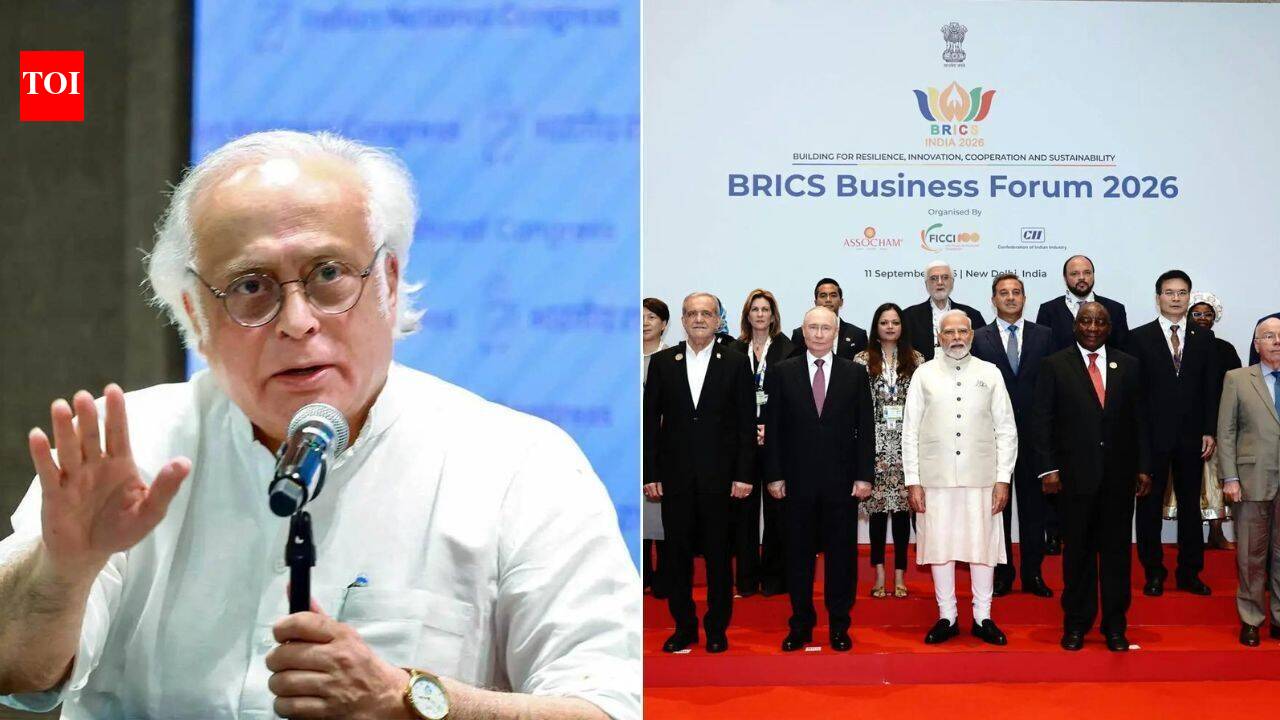
The Congress party has urged the Modi government to restore India's diplomatic stature and rebuild trust within the Global South amid the 2026 BRICS Summit. They specifically criticized the administration's perceived inaction regarding Iran and demanded greater transparency through press conferences.
Assessing India's Diplomatic Trajectory at the 2026 BRICS Summit
As the 2026 BRICS Summit commences in Delhi with the arrival of Chinese President Xi Jinping, the Indian National Congress has launched a pointed critique regarding the current administration’s foreign policy approach. The central opposition party argues that the government has failed to maintain the diplomatic stature India historically commanded, urging Prime Minister Narendra Modi to take decisive steps to rebuild confidence among key partners in the Global South.
Concerns Over Regional Stability and Iran
A primary point of contention raised by the Congress, led by Foreign Affairs department head Salman Khurshid, involves India's response to the ongoing instability in West Asia. The party has expressed concerns over what it characterizes as a 'perceived endorsement' of attacks on Iran, a fellow BRICS member. The opposition asserts that India must act as a credible and constructive partner, particularly during times of international crisis, to ensure its diplomatic influence is not eroded by ambiguity.
The Need for Strategic Statesmanship
Khurshid has emphasized that the current government’s diplomatic role in regional conflicts has been limited, accusing the administration of an unwillingness to forge necessary consensus among BRICS members. The Congress suggests that the current summit serves as a crucial opportunity for the Prime Minister to exercise genuine statesmanship. By prioritizing solidarity among BRICS nations, the government is urged to avoid the pitfalls of divisive bloc politics that could isolate India from its traditional allies in the developing world.
Historical Context and the Bandung Legacy
The discourse surrounding the summit took a historical turn when senior Congress leader Jairam Ramesh highlighted Paragraph 16 of the official BRICS declaration. By referencing the 1955 Asian-African Conference in Bandung, the opposition sought to draw parallels between the current geopolitical climate and the foundational principles of non-alignment and Afro-Asian solidarity associated with the Nehruvian era. This reference serves as a rhetorical device to remind the current leadership of the historical weight behind India’s past diplomatic influence.
Transparency and Future Accountability
Beyond specific policy critiques, the Congress has demanded greater domestic transparency regarding the summit's outcomes. By calling on Prime Minister Modi to hold a formal press conference to apprise the nation, the opposition is highlighting a perceived deficit in communication. They argue that as India navigates these complex international waters, the public and the political establishment require a clearer understanding of the government’s strategic maneuvers and the specific commitments made during the summit.
Conclusion: The Path Forward
The Congress party's intervention underscores a broader debate about India's evolving role on the global stage. As the nation hosts major world leaders, the pressure to balance internal political narratives with external diplomatic expectations continues to grow. Whether the government adjusts its stance to address these concerns remains to be seen, but the calls for renewed focus on the Global South and diplomatic clarity suggest a high-stakes environment for India’s foreign policy in the coming months.