'Full disclosure of electoral roll changes': Congress's 5 demands amid EC SIR row
Source Entity
PRISHA PATNAIK
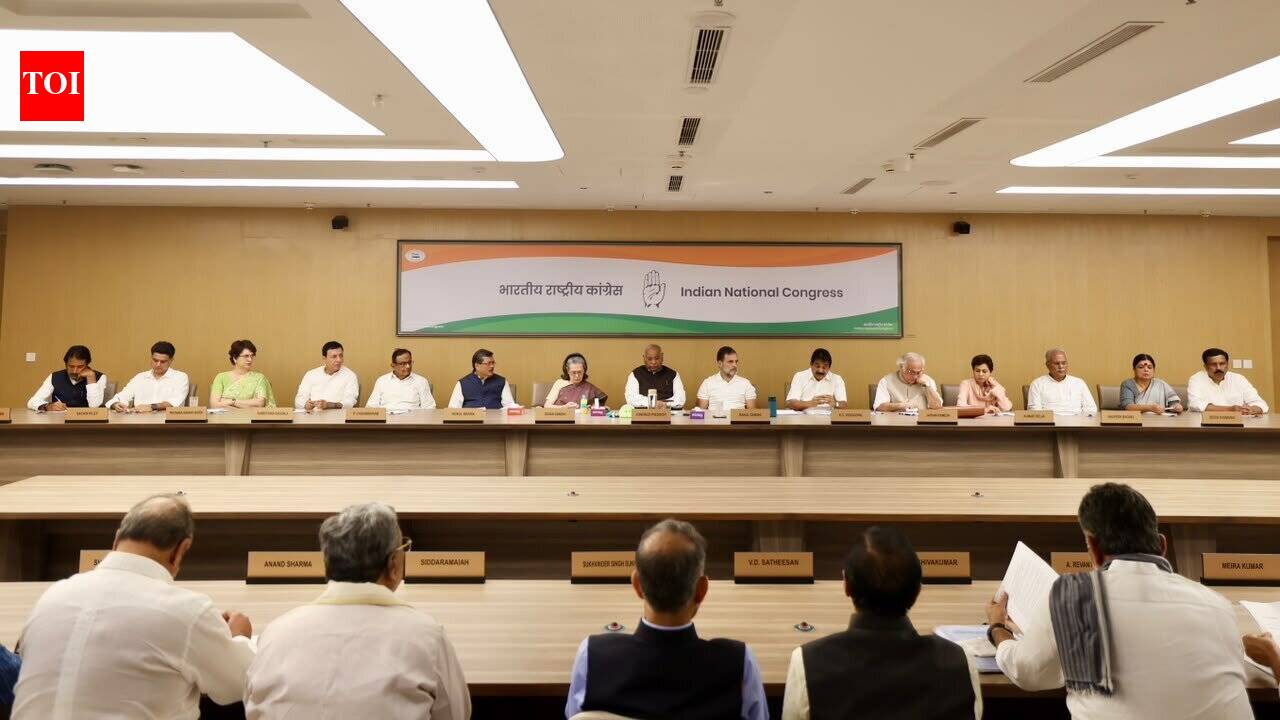
The Congress party has issued five demands to the Election Commission regarding alleged electoral roll changes. They are challenging the 'SIR' row, asserting their commitment to protecting voter rights.
Congress Challenges Election Commission Over Electoral Roll Integrity
The Indian National Congress has launched a pointed critique against the Election Commission (EC) concerning the 'SIR' row, which pertains to the systematic deletion and addition of names in electoral rolls. By framing this as a battle to 'save voters’ rights,' the party is highlighting systemic concerns regarding the transparency of the electoral process. This development marks a significant escalation in the ongoing discourse between the opposition and the constitutional body responsible for overseeing the world's largest democratic exercises.
The Nature of the Five Demands
At the heart of this confrontation are five specific demands issued by the Congress leadership. While the party has not detailed every technicality of these demands, the core message centers on a call for the 'full disclosure' of changes made to the electoral rolls. This demand reflects a broader push for accountability, as the party seeks to understand the criteria and methodology used by the EC to update voter lists, particularly in the lead-up to critical electoral cycles.
Implications for Voter Rights
The term 'SIR'—often used in administrative parlance regarding Systematic Voter Education and Electoral Participation or specific roll management protocols—has become a flashpoint. Congress argues that any lack of transparency in how voter data is managed directly threatens the fundamental right to franchise. If voters are removed from rolls without due process or adequate notification, the democratic mandate is compromised, potentially skewing the results of future elections.
Historical Context of Electoral Disputes
Historically, the integrity of the electoral roll has been a cornerstone of Indian political debate. Discrepancies in voter lists have frequently been cited by various political parties as grounds for contesting election outcomes. By formalizing their grievances into five specific demands, the Congress is attempting to move beyond rhetoric and force a structured dialogue with the Election Commission to ensure that electoral rolls are scrubbed and updated with absolute fairness.
Future Trends and Institutional Trust
This confrontation underscores a growing trend where political parties are increasingly scrutinizing the administrative mechanisms of the Election Commission. As the digital transformation of voter registries continues, the potential for both errors and manipulation grows, leading to higher levels of skepticism. The future of Indian elections will likely depend on how effectively the EC manages these concerns, as the loss of public trust in the electoral roll could have long-term consequences for the perceived legitimacy of the democratic process.
Conclusive Summary
The standoff between the Congress and the EC over the 'SIR' row is more than a procedural dispute; it is a fundamental debate over the transparency of election administration. By demanding full disclosure, the opposition is asserting its role as a watchdog. Ultimately, the resolution of these five demands will determine whether the EC can uphold its reputation for impartiality and whether the integrity of the voter rolls remains protected from political and administrative interference.