Congress forms screening committees for 5 poll-bound states; Ajay Maken to head UP panel
Source Entity
AASTHA JHA
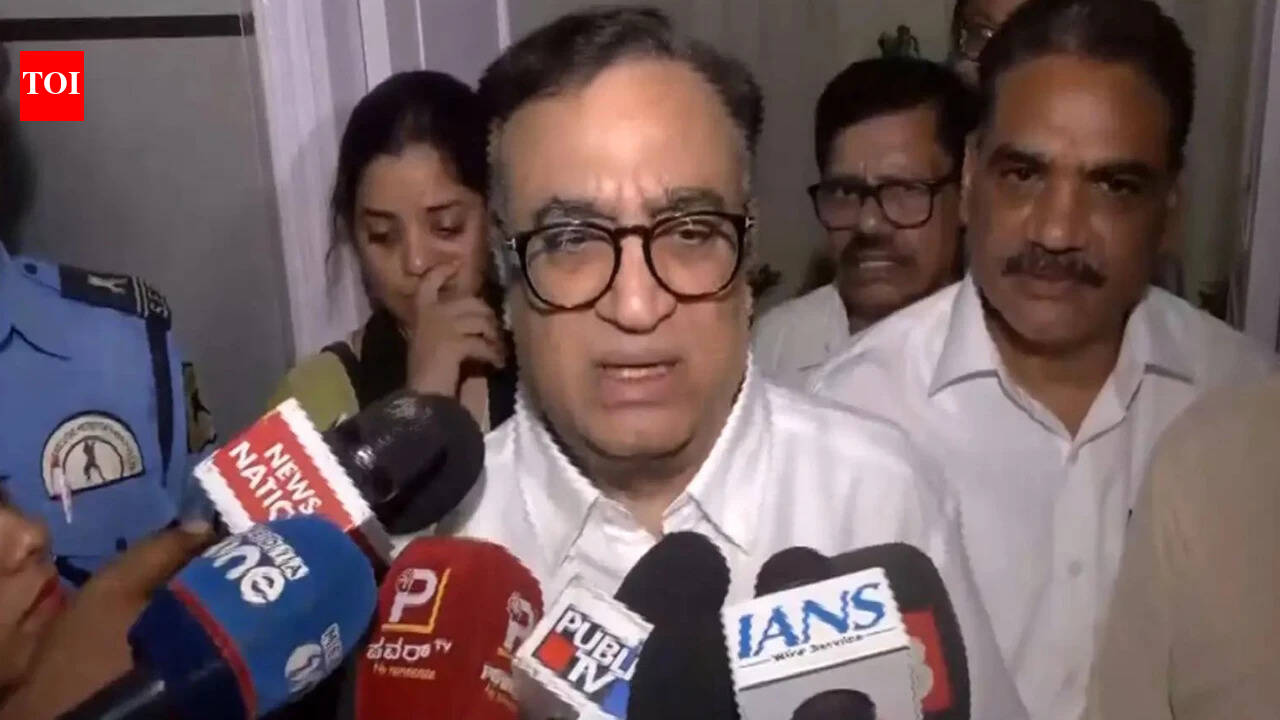
The Indian National Congress has established screening committees for five states heading to assembly elections in early 2027. Key appointments include Ajay Maken for Uttar Pradesh and Sirivella Prasad for Punjab to oversee candidate selection.
Congress Initiates Preparations for 2027 Assembly Elections
The Indian National Congress has officially commenced its strategic preparations for the assembly elections scheduled for the first quarter of 2027. By constituting specialized screening committees for five key states—Uttar Pradesh, Punjab, Uttarakhand, Goa, and Manipur—the party is signaling an early start to its electoral machinery. This move, directed by party president Mallikarjun Kharge, underscores a proactive approach to candidate vetting and organizational readiness.
Leadership Appointments and Strategic Oversight
A critical component of this announcement is the appointment of senior leaders to head these panels. Ajay Maken, the AICC national treasurer, has been tasked with leading the screening committee for Uttar Pradesh, a state that remains a focal point of national political discourse. Simultaneously, Sirivella Prasad, who serves as the Maharashtra Congress in-charge, has been appointed to lead the committee for Punjab. These appointments reflect the party's intent to leverage experienced leadership to navigate the complex political landscapes of these states.
The Role of Screening Committees
The primary mandate of these screening committees is to serve as a critical filter in the candidate selection process. They are responsible for scrutinizing the panels of probable candidates submitted by the respective state election committees. By shortlisting names before forwarding them to the Central Election Committee (CEC), these panels act as the first line of quality control, ensuring that the party fields candidates who have the best prospects of electoral success.
Navigating the 2027 Electoral Landscape
The selection of states—UP, Punjab, Uttarakhand, Goa, and Manipur—highlights the geographic diversity of the Congress party's electoral challenge. Each of these states presents unique sociopolitical dynamics that require tailored campaign strategies. By formalizing these committees well in advance of the 2027 polls, the party aims to minimize internal friction and prevent the last-minute selection of candidates that has historically hindered its performance in various regions.
Future Implications and Party Cohesion
Looking ahead, the efficiency of these screening committees will be a major test for the Congress leadership's ability to maintain unity. The process of candidate selection is often the most volatile period for any political party, as it involves balancing the aspirations of local leaders with the strategic requirements of the central high command. If successful, this early institutionalization of the selection process could provide a stable foundation for the party's 2027 campaign narrative.
Conclusion
In summary, the formation of these screening committees is a foundational step in the Congress party's long-term strategy for the 2027 assembly elections. By empowering senior figures like Ajay Maken and Sirivella Prasad, the party is attempting to streamline its internal democracy and ensure a rigorous vetting process. The effectiveness of these panels will ultimately play a significant role in determining the party's competitive standing in the upcoming electoral cycle.