Days after street spat, Congress fields BJP leader’s nephew in Chandigarh polls
Source Entity
Hina Rohtaki
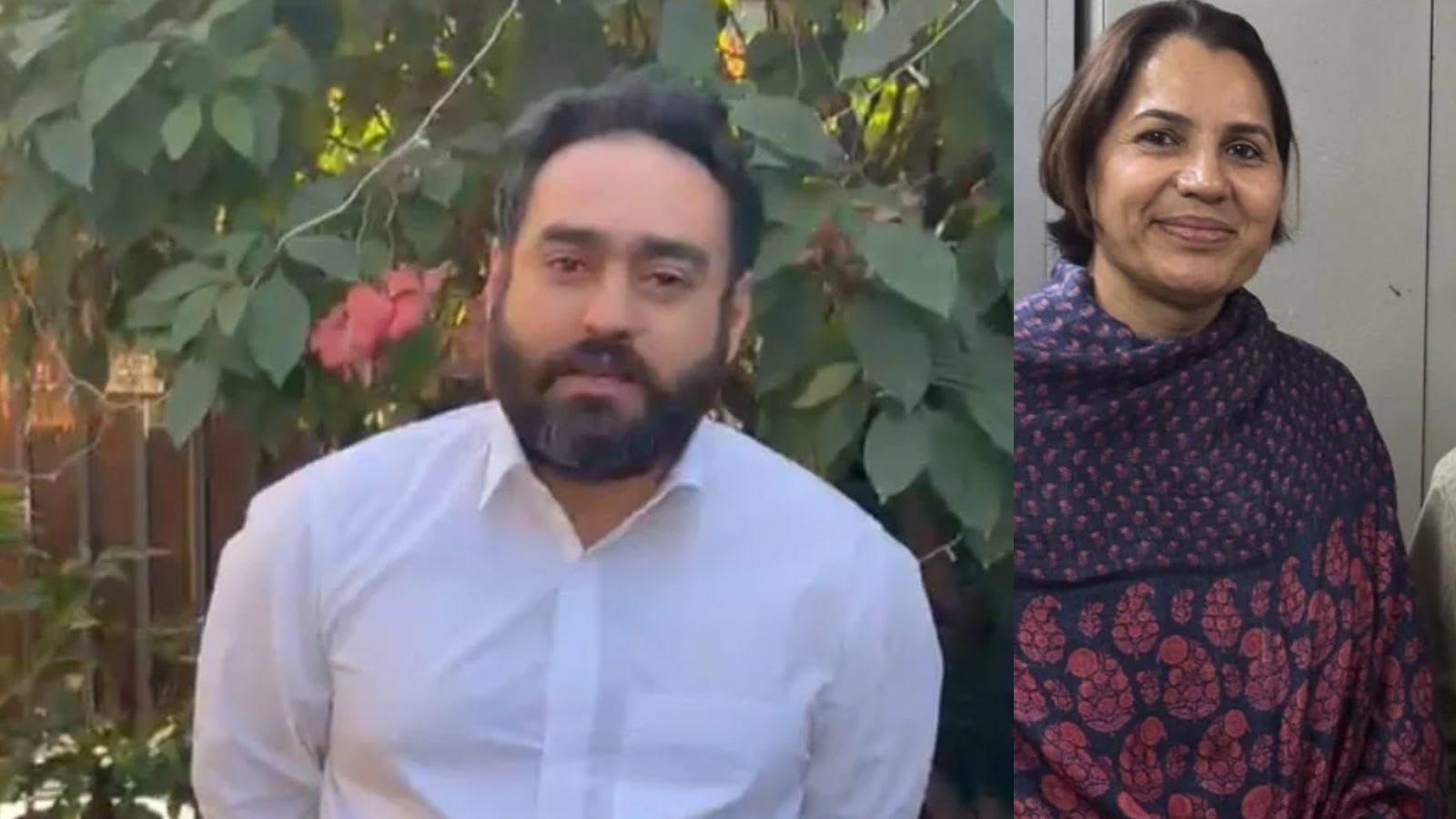
The Congress party’s candidate selection for Chandigarh and Punjab elections reflects a complex mix of professional diversity and internal friction. Challenges include navigating familial political rivalries and balancing dynastic claims against the party's stated goal of prioritizing grassroots workers.
Political Dynamics and Candidate Selection in Congress
The Congress party’s current strategy for the Chandigarh Municipal Corporation elections and the upcoming Punjab Assembly polls highlights a complex intersection of personal rivalries, professional diversity, and internal party debate. The candidate list, which features individuals ranging from former police officers to school counselors, underscores an attempt to broaden the party's appeal by tapping into varied societal sectors. However, this strategy is complicated by the inherent tensions of local political landscapes, most notably the strained "mama-bhanja" relationship between BJP leader Devinder Singh Babla and his nephew, Ranjot Singh (Ronnie).
The Intrigue of Familial Rivalry
The selection of Ranjot Singh in Ward 10 is particularly notable, not only for his background but for the public nature of his fallout with his uncle, Devinder Singh Babla. The recent viral video capturing a heated street confrontation between the two serves as a stark reminder of how personal animosity can permeate local electoral politics. By fielding a candidate who is directly at odds with a prominent BJP figure, the Congress is effectively leveraging pre-existing familial fractures to potentially disrupt their opponent’s influence in the ward.
Balancing Dynastic Claims and Grassroots Aspirations
Simultaneously, the Punjab Congress is grappling with a classic political dilemma: the tension between 'family first' and 'party first.' As senior leaders clamor for nominations for their kin, the party leadership faces pressure from figures like former state unit chief Amrinder Singh Raja Warring, who advocates for prioritizing youth and grassroots workers. This internal struggle is reflective of broader trends in Indian politics, where the necessity for winnable candidates often clashes with the desire for democratic renewal and the promotion of new, non-dynastic faces.
Institutional Strategy and Assessment
The comments made by state Congress president Pargat Singh regarding ticket distribution indicate a pragmatic, if flexible, approach. By suggesting that multiple family members could receive tickets based on 'winnability' and 'public acceptability,' the party is attempting to maintain a balance between meritocracy and established political capital. The use of surveys to gauge candidate strength across constituencies acts as a buffer against internal dissent, providing a data-driven justification for potentially controversial nominations.
Future Trends and Implications
As the party continues to finalize its electoral strategy, the focus on 'winnability' suggests that the Congress is willing to overlook traditional norms to secure electoral victories. The inclusion of individuals with diverse professional backgrounds—such as a former police officer who participated in the Bharat Jodo Yatra—indicates a trend toward branding candidates as committed, ideologically driven, or service-oriented individuals. Moving forward, the success of these candidates will likely hinge on whether the electorate values these diverse backgrounds more than the internal family dynamics or the legacy of political dynasties that currently dominate the discourse.
Conclusion
In summary, the Congress party is currently navigating a high-stakes period of candidate selection that mirrors the complexities of regional Indian politics. By balancing the inclusion of unconventional candidates with the management of deep-seated familial rivalries and internal party demands, the organization is attempting to carve out a winning coalition. Whether this multifaceted approach will translate into electoral success remains to be seen, but it is clear that candidate selection is being treated as a dynamic process shaped by both local feuds and strategic, data-backed decision-making.