'Shift stance, set aside politics': Rijiju urges Cong to back Delimitation Bill
Source Entity
PRIYANKA JAISWAL
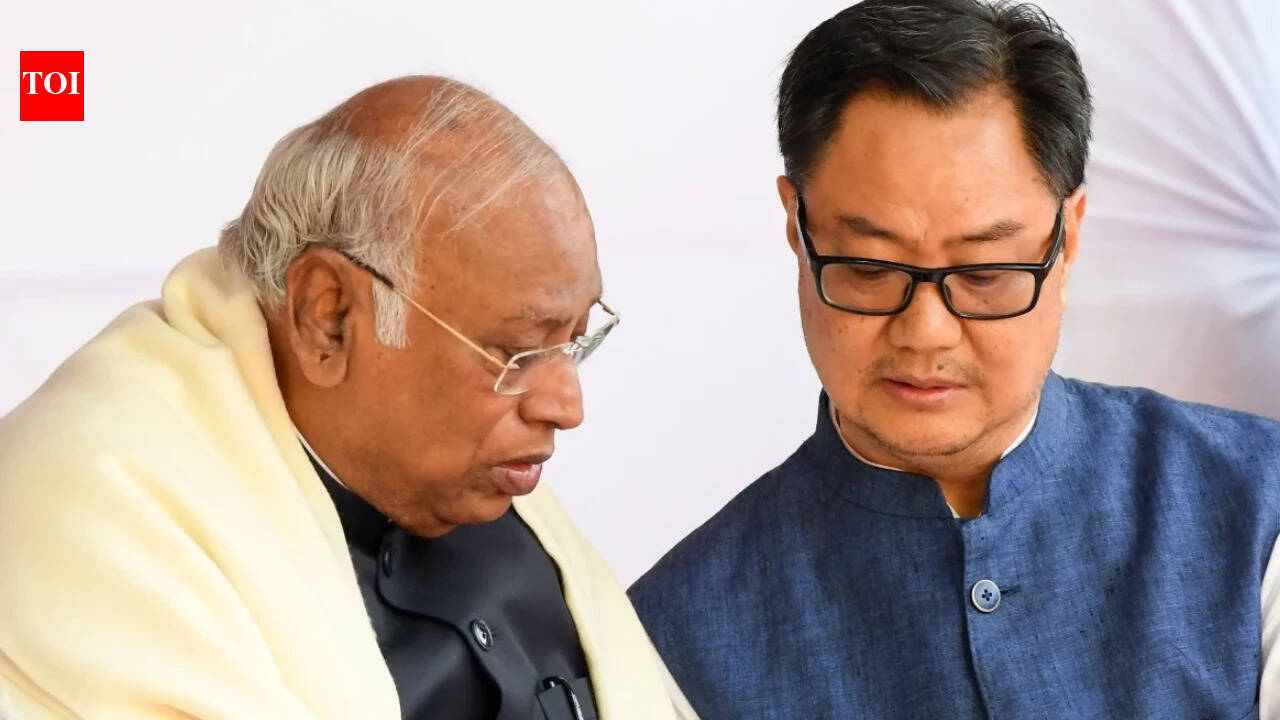
The government has proposed a special parliamentary session starting November 30, 2026, to revisit the failed 131st Constitution Amendment Bill. This session aims to address the expansion of the Lok Sabha to 850 seats and implement a 33% women's reservation quota before the 2029 elections.
Special Parliament Session: A Renewed Legislative Push
The Government of India has formally requested the reconvening of Parliament for a special session, with the Lok Sabha scheduled to meet on November 30, 2026, and the Rajya Sabha on December 2, 2026. This move, announced by Parliamentary Affairs Minister Kiren Rijiju, signals a high-stakes attempt to revive critical legislative agendas that stalled earlier this year. The primary focus of this session is expected to be the reintroduction of the Constitution (131st Amendment) Bill, a piece of legislation that carries significant weight for the country's democratic representation and social equity framework.
The Legislative Hurdle: The 131st Amendment
The 131st Constitution Amendment Bill is a landmark proposal that seeks to increase the ceiling of the Lok Sabha to 850 seats. This expansion is intrinsically linked to the government's vision of modernizing parliamentary representation to reflect current population dynamics. Crucially, the bill also incorporates a 33% reservation for women, a move intended to institutionalize gender parity in the lower house in time for the 2029 general elections. The failure of this bill in April—where it did not secure the mandatory two-thirds majority in the Lok Sabha—marked a rare legislative setback for the NDA administration, highlighting the fragility of consensus on constitutional changes.
Delimitation and Electoral Integrity
The upcoming session also brings the contentious issue of delimitation back to the forefront. Following the defeat of the 131st Amendment in April, the government had withdrawn two supplementary bills: one that mandated delimitation based on the 2011 census and another addressing administrative changes in union territories. The revival of these discussions has reignited concerns among opposition parties, particularly regarding the 'Special Intensive Revision' of electoral rolls. The opposition fears that the methodology behind delimitation could inadvertently skew political representation, making the upcoming debates critical for maintaining electoral trust.
Broader Implications for 2029
By scheduling this special session, the government is signaling an urgent timeline to clear legislative hurdles well ahead of the 2029 polls. If successfully passed, the expansion of the Lok Sabha and the implementation of the women's quota would represent one of the most significant structural overhauls of the Indian parliamentary system since independence. The government’s determination to push these bills through suggests a strategic pivot to consolidate its legislative legacy and address long-standing demands for gender-inclusive governance.
Future Trends and Political Dynamics
The success of this session will depend heavily on the government's ability to build a broader consensus across party lines. Unlike routine legislative business, a constitutional amendment requires bipartisan support to meet the two-thirds majority threshold. As ministers prepare for the upcoming debates, the political atmosphere remains charged. The outcome of these discussions will not only determine the composition of the future Lok Sabha but will also set the tone for the political discourse leading up to the 2029 general election cycle. Whether the government can overcome the skepticism of the opposition remains the pivotal question for this special session.
Multiple Citing Sources