New highway tender rules: How the Centre plans to weed out weak contractors
Source Entity
Dheeraj Mishra
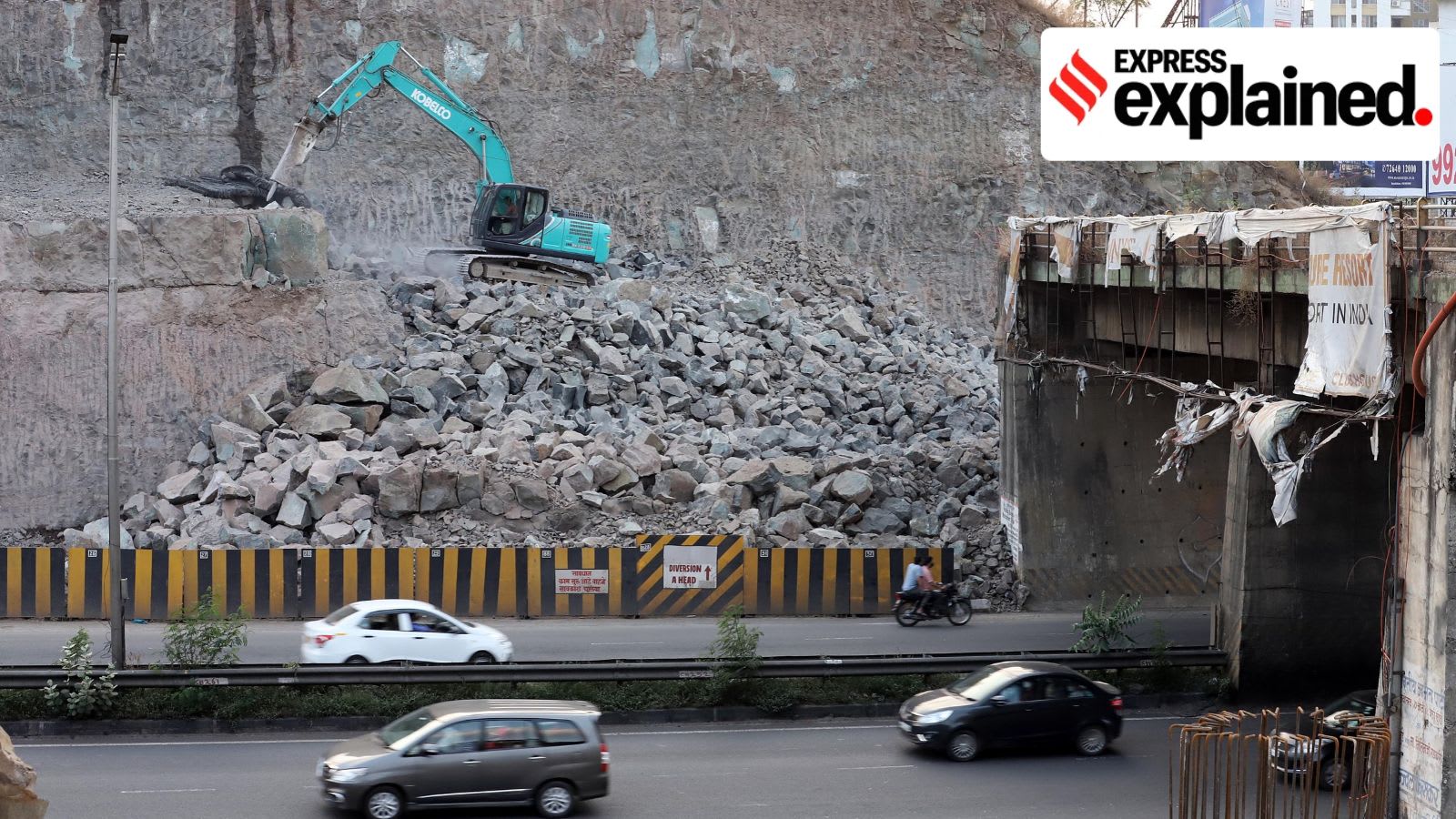
The Ministry of Road Transport and Highways is tightening contractor tender rules to address project delays and quality issues. New criteria will prioritize historical performance and financial stability over short-term metrics to ensure accountability.
Overhauling India's Highway Infrastructure Strategy
The Ministry of Road Transport and Highways (MoRTH) has initiated a significant policy shift aimed at addressing the systemic inefficiencies that have long plagued national highway development. For years, the sector has been characterized by chronic project delays, substandard construction quality, and significant cost overruns. These issues have not only imposed a heavy burden on the public purse but have also led to substantial inconvenience for commuters and logistics providers who rely on these arteries for economic activity.
The Problem: The 'Dubious Contractor' Dilemma
At the heart of the current crisis is the historical tendency to award high-stakes tenders to contractors who lack the necessary track record or operational capacity. Analysts have frequently flagged the presence of inexperienced or 'dubious' firms that win contracts through aggressive bidding but fail to meet technical or temporal milestones. When these projects stall, they create a domino effect of litigation, abandoned sites, and wasted taxpayer money, effectively derailing the government’s ambitious infrastructure roadmap.
A Shift Toward Performance-Based Qualification
To mitigate these risks, the MoRTH is moving away from simplistic entry barriers. The proposed framework shifts the focus toward a more nuanced evaluation system. By tying bid capacity and net worth directly to a contractor’s historical performance ratings, the ministry is signaling that financial liquidity alone is no longer a sufficient qualification. This change ensures that a contractor's ability to execute complex engineering tasks is weighed against their past behavior regarding deadlines and quality standards.
Moving Beyond Single-Year Metrics
Historically, tender evaluations often relied on a single successful financial year to determine eligibility. This created a loophole where contractors could project a facade of strength that did not reflect long-term stability. By mandating a multi-year performance review, the new rules aim to weed out firms that lack the structural durability to manage massive, multi-year highway projects. This shift encourages firms to prioritize sustained operational excellence over short-term financial maneuvering.
Broader Implications and Future Trends
These revisions are likely to consolidate the market, favoring established firms with proven track records while simultaneously raising the barrier to entry for smaller, less experienced players. While this may increase competition among top-tier firms, it is expected to drastically reduce the frequency of stalled projects. In the long run, this policy represents a maturation of India’s infrastructure procurement process, moving the focus from mere project allocation to project completion and long-term asset quality.
Conclusion: Building for the Future
By tightening the regulatory framework, the MoRTH is attempting to institutionalize accountability. If effectively implemented, this policy could end the cycle of cost overruns and construction failure that has hampered national development. The shift toward a performance-centric model marks a critical evolution in how India manages its most vital public works, setting the stage for a more reliable and efficient transport network.