Analysis: With New UP Chief, Congress Looks to Smoothen Ties With Samajwadi Party
Source Entity
NDTV News Search Records Found 1000
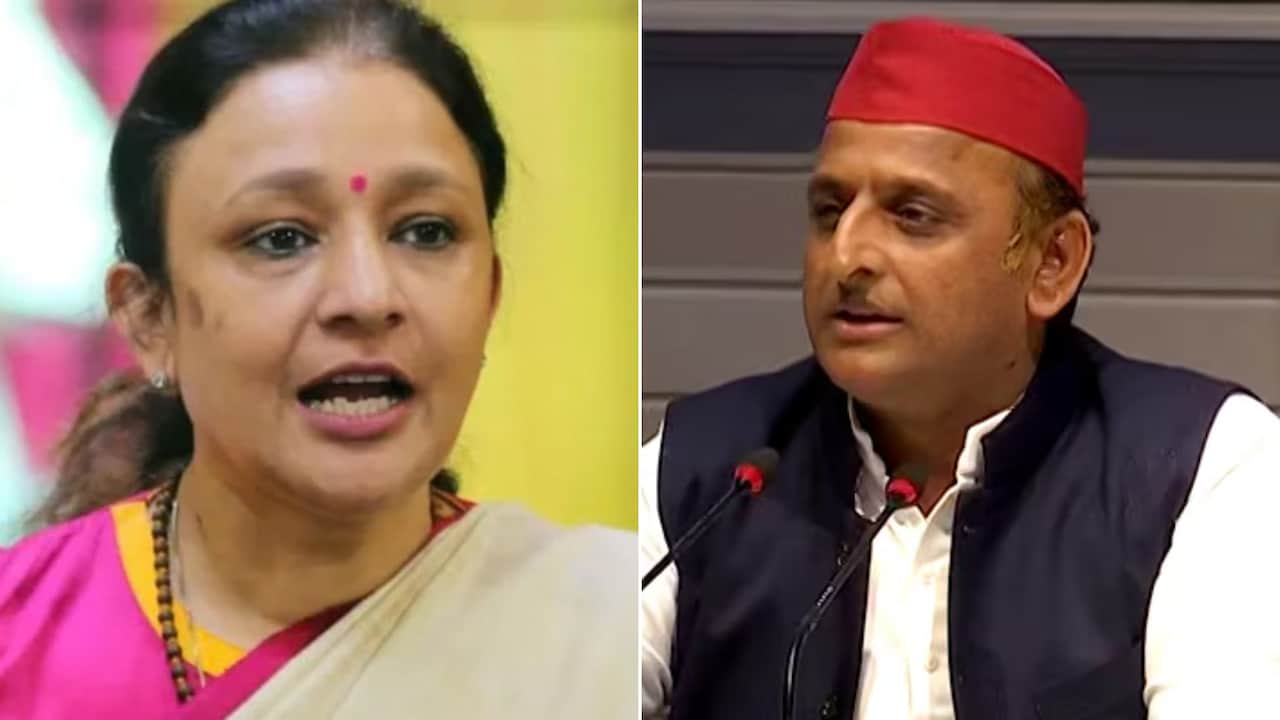
The Congress party is appointing a new leader in Uttar Pradesh to resolve ongoing tensions within its alliance with the Samajwadi Party. A primary point of friction remains the Congress's demand to contest 150 seats in upcoming electoral cycles.
Strategic Realignment in Uttar Pradesh Politics
The Indian National Congress is currently undergoing a significant leadership transition in Uttar Pradesh, a move widely perceived as a tactical effort to mend frayed relations with the Samajwadi Party (SP). By installing a new state chief, the party aims to bridge the communication gap that has hampered the effectiveness of their regional alliance. This leadership change is not merely cosmetic; it is a calculated attempt to stabilize a partnership that is critical for countering electoral opposition in India's most populous state.
The Seat-Sharing Dilemma
At the heart of the current discord lies a fundamental disagreement regarding seat allocation. The Congress party has reportedly expressed a strong desire to contest 150 seats, a figure that the Samajwadi Party views as overly ambitious given the current political arithmetic. This contention highlights the delicate balance of power within the 'INDIA' bloc, where regional heavyweights and national players often clash over electoral territory and local influence.
Historical Context of the Alliance
Historically, alliances in Uttar Pradesh have been volatile, often dictated by shifting voter bases and the necessity of consolidating the anti-incumbent vote. The Congress, seeking to revive its presence in a state where it has faced significant decline, views a higher seat share as essential for its organizational resurgence. Conversely, the Samajwadi Party, which maintains a more entrenched base of support, is protective of its traditional strongholds and is wary of conceding too much ground to a junior partner.
Implications for Regional Stability
If the alliance fails to reach a consensus on the 150-seat demand, the resulting friction could lead to a 'friendly fight' or a complete breakdown of the coalition. Such an outcome would likely benefit the primary opposition, as a fractured vote share historically correlates with electoral losses for the alliance. The success of the new UP Congress chief will be measured entirely by their ability to negotiate a compromise that satisfies the party's ambition without alienating their key regional ally.
Future Trends and Outlook
The trajectory of this alliance will serve as a bellwether for national coalition politics. As the electoral landscape becomes increasingly competitive, the ability of national and regional parties to suppress internal grievances for the sake of a larger goal will determine their long-term relevance. Observers will be watching closely to see if the new leadership can successfully navigate these negotiations, potentially setting a precedent for future seat-sharing agreements across other Indian states.
Verification Required?