Conjoined Twins With 2 Heads, 1 Torso Die Week After Birth At Odisha Hospital
Source Entity
NDTV News Search Records Found 1000
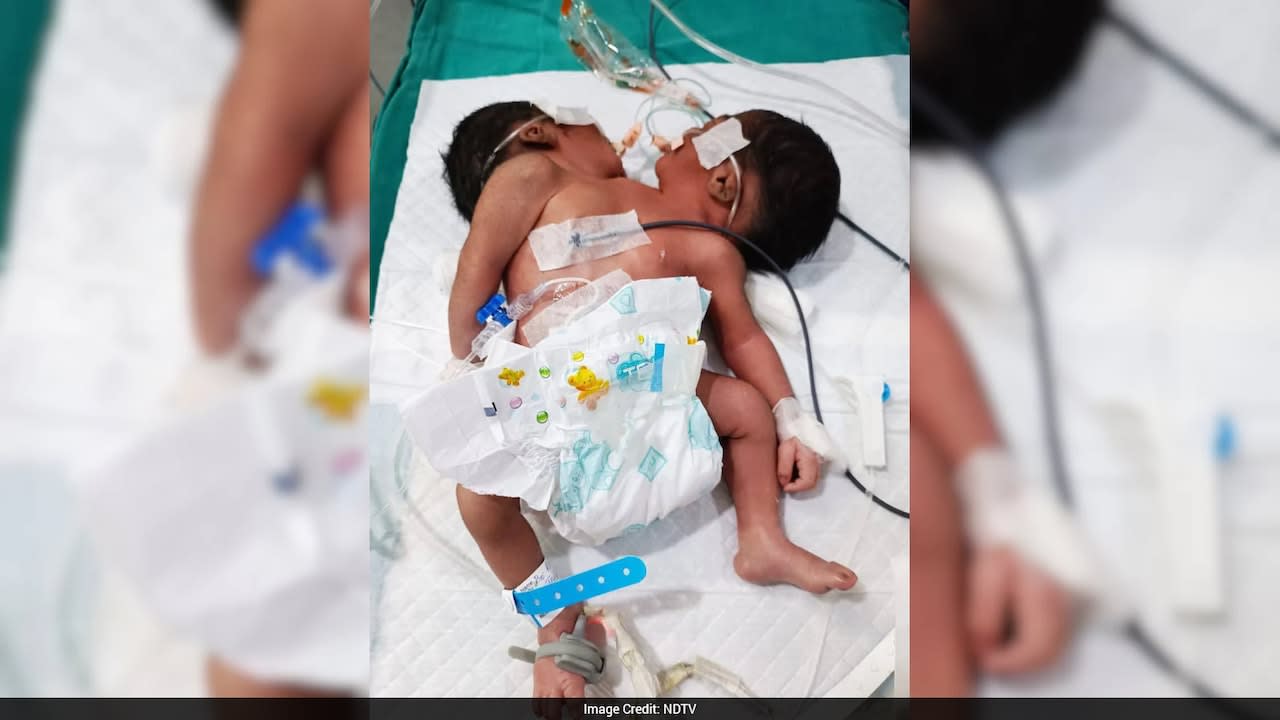
A pair of conjoined male twins born with two heads and one torso in Odisha has passed away one week after birth. The infant, weighing 2.25 kg, faced extreme medical challenges due to the rare developmental condition.
Medical Tragedy: Conjoined Twins Pass Away in Odisha
In a heartbreaking development from Odisha, a pair of conjoined male twins, who were born with two distinct heads and necks but sharing a single torso, has passed away. The infant, who weighed 2.25 kg at birth, succumbed to the severe physiological complications associated with his rare condition exactly one week after being delivered. This tragic outcome underscores the extreme rarity and high mortality rates associated with dicephalic parapagus conjoined twins.
Understanding the Medical Rarity
The survival of conjoined twins is statistically low, particularly when they share vital organs within a single torso. In this specific case, the presence of two heads and two necks attached to one body suggests a complex fusion during embryonic development. Such conditions often involve shared circulatory and respiratory systems, which place immense strain on the infant's heart and lungs from the moment of birth. Medical professionals typically face immense challenges in managing such cases, as the shared vital infrastructure makes surgical intervention or life-sustaining treatment exceptionally difficult.
Developmental Context and Challenges
Conjoined twinning is an extremely rare phenomenon that occurs when an early embryo only partially separates to form two individuals. When the separation is incomplete, the twins remain physically joined. The case in Odisha highlights the acute vulnerability of these infants, who often struggle with metabolic and cardiovascular stability. At a birth weight of 2.25 kg, the infant was already at a disadvantage, as the strain of maintaining biological functions for two heads through a single set of organs is rarely sustainable for long-term development.
Broader Implications of Neonatal Care
This event brings to light the critical need for advanced neonatal care infrastructure in regions dealing with complex congenital anomalies. While medical science has made strides in understanding fetal development, the physical reality of conjoined births remains a profound challenge for pediatric specialists. The loss of this infant serves as a somber reminder of the limitations of modern medicine when faced with such severe developmental variations, where the biological architecture does not support independent life.
Looking Ahead: Research and Support
While the medical community continues to research the genetic and environmental triggers of conjoined twinning, such cases remain largely sporadic and unpredictable. Future trends in neonatology will likely focus on earlier detection through advanced prenatal imaging, allowing medical teams to better prepare for the immediate needs of infants born with complex conditions. Ultimately, the focus remains on providing compassionate care for the families involved, as the scientific community continues to study these rare anomalies to improve the understanding of human embryology.
Verification Required?