This study looks at how and with whom connected cars share your data
Source Entity
Jonathan M. Gitlin
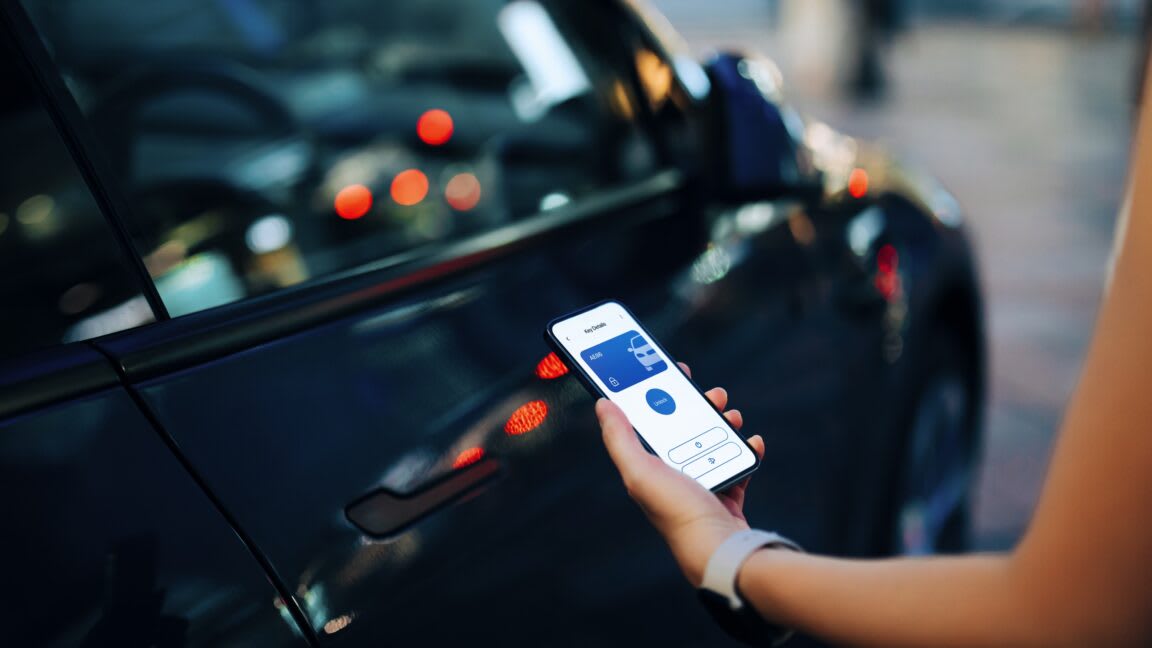
Modern connected vehicles are collecting and sharing extensive personal driving data with third-party advertisers and big tech firms. Research from Northeastern University and Consumer Reports highlights that these privacy risks are exacerbated by companion apps and are difficult for consumers to mitigate.
The Privacy Crisis of the Connected Vehicle
Modern automobiles have evolved from simple mechanical transport into sophisticated, internet-connected computing platforms. Often described as "smartphones on wheels," these vehicles utilize integrated WiFi, GPS, and cellular connectivity to aggregate immense volumes of personal information. This data collection spans from granular telematics—such as acceleration rates, braking force, and cornering aggression—to precise location tracking, effectively creating a real-time profile of a driver's habits and lifestyle.
The Scope of Data Proliferation
Recent investigations, most notably a study conducted by researchers at Northeastern University in partnership with Consumer Reports, have quantified the extent of this issue. By testing 21 late-model vehicles from 17 major automakers—including industry giants like Ford, Toyota, Tesla, and General Motors—researchers confirmed that vehicles and their mandatory companion apps act as conduits for data harvesting. This information is frequently funneled to third-party entities, including major advertising platforms and Big Tech firms such as Microsoft and Adobe, often without the user's explicit or informed understanding.
Regulatory and Industry Backlash
The legality and ethics of this data economy are currently under intense scrutiny. The Federal Trade Commission (FTC) took significant action last year by penalizing General Motors for the unauthorized collection and sale of precise location and behavior data. This serves as a critical inflection point in the industry, signaling that regulators are beginning to catch up to the rapid digital transformation of the automotive sector. Despite these interventions, the practice remains pervasive across the industry.
The Role of Companion Apps
One of the most concerning findings from recent studies is the role of companion mobile applications. While these apps offer convenience features like remote start and digital unlocking, they serve as a secondary vector for data leakage. When a user syncs their smartphone with their vehicle, they often unknowingly expand the footprint of tracked data. The research suggests that the combination of vehicle-based sensors and mobile app telemetry creates a nearly inescapable web of surveillance for the average consumer.
Historical Context and Consumer Impact
This trend is not entirely new, but it has reached a critical mass. In 2023, the Mozilla Foundation released a damning report evaluating the privacy policies of over two dozen automakers, concluding that cars represent the "worst product category" they have ever reviewed for privacy. The historical pattern shows a consistent trend where convenience is prioritized over data sovereignty. For consumers, the choice is increasingly difficult: forgo the modern safety and utility features of a connected car, or accept that their personal driving data is being commodified by third parties.
Future Outlook
As vehicles become more autonomous and increasingly reliant on cloud-based software, the volume of data generated will only grow. Without more stringent federal regulations or a fundamental shift in how automakers monetize their software ecosystems, the privacy gap is likely to widen. Consumers should expect increased pressure from advocacy groups and potential future legislative action aimed at forcing transparency in how automotive "Big Data" is shared, sold, and stored.
Multiple Citing Sources