AI-powered app maker Wabi pivots to a messaging experience
Source Entity
Sarah Perez
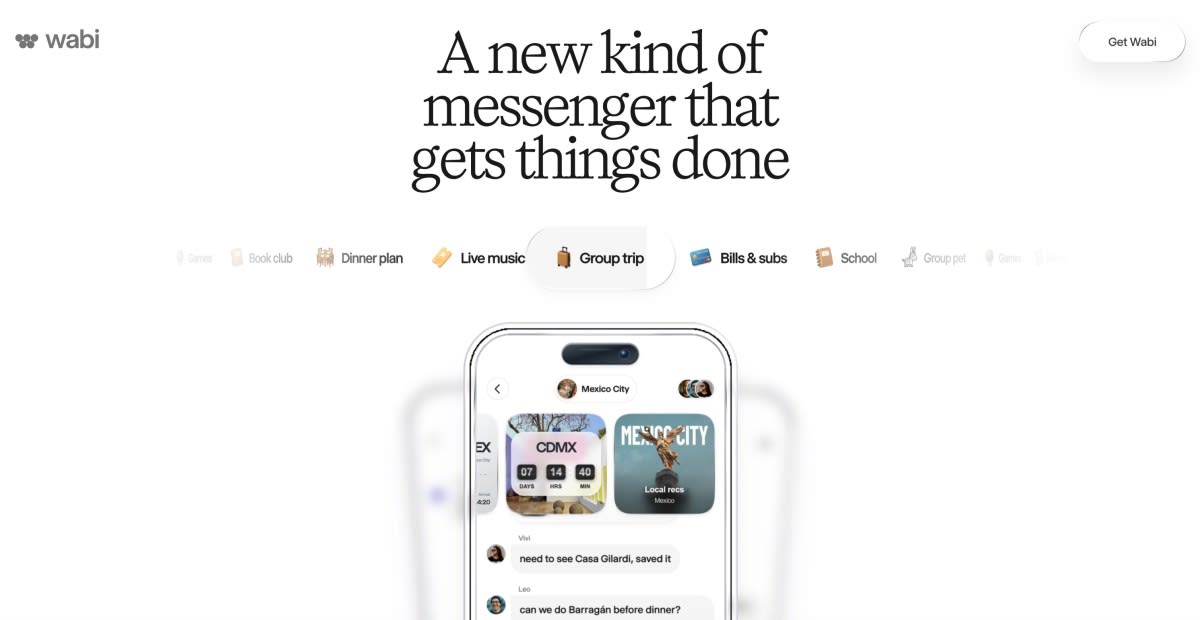
Wabi is pivoting from a prompt-based app builder to an AI-powered messaging agent. Led by Replika founder Eugenia Kuyda, the new Wabi 2.0 platform creates on-demand interfaces to help users complete tasks.
The Evolution of Wabi: From App Builder to Agentic Messenger
A Strategic Pivot in the AI Landscape
The AI startup Wabi, originally recognized for its prompt-based interface that allowed users to construct functional applications through simple natural language inputs, has announced a significant strategic shift. As the broader technology market moves toward autonomous functionality, Wabi is repositioning itself as a "personal AI agent." This evolution reflects a growing industry trend where static tools are being replaced by dynamic, intent-driven systems that can anticipate user needs and synthesize solutions in real-time.
The Vision of Eugenia Kuyda
At the helm of this transition is founder Eugenia Kuyda, a prominent figure in the artificial intelligence space known for her work with the AI companion startup Replika. Under her guidance, Wabi 2.0 is being marketed not merely as a chatbot, but as an "OS for the agentic era." By integrating communication with functional app creation, Kuyda aims to bridge the gap between social interaction and utility, creating a platform that builds the specific interface a user requires at the exact moment a task arises.
Contextualizing the Agentic Era
The decision to pivot aligns Wabi with emerging competitors in the "agentic" space, such as Meta’s Muse and Instinct. These tools signify a move away from traditional software design, where users must navigate menus and pre-built features. Instead, Wabi 2.0 emphasizes a fluid experience where the software adapts to the user's life. This shift suggests that the future of productivity may lie in software that is ephemeral and task-specific rather than permanent and rigid.
Technical Implications of On-Demand Interfaces
By combining chat, app generation, and task management into a single messaging experience, Wabi is attempting to solve the "fragmentation problem" common in mobile productivity. Rather than jumping between multiple apps to complete a project, the user interacts with a single agent that generates the necessary UI elements on the fly. This approach reduces cognitive load and streamlines workflows, effectively turning a messaging thread into a functional workspace.
Future Trends and Market Outlook
The success of Wabi 2.0 will likely depend on its ability to maintain high utility while operating within the constraints of a messaging platform. As AI agents become more sophisticated, the line between messaging apps and operating systems will continue to blur. If Wabi successfully executes this pivot, it could set a new standard for how individuals interact with digital tools, moving toward a future where software is as conversational and adaptive as human interaction itself.