Mediclaim denied for mother’s care, Kerala man wins Rs 86,000 payout from insurer
Source Entity
Somya Tyagi
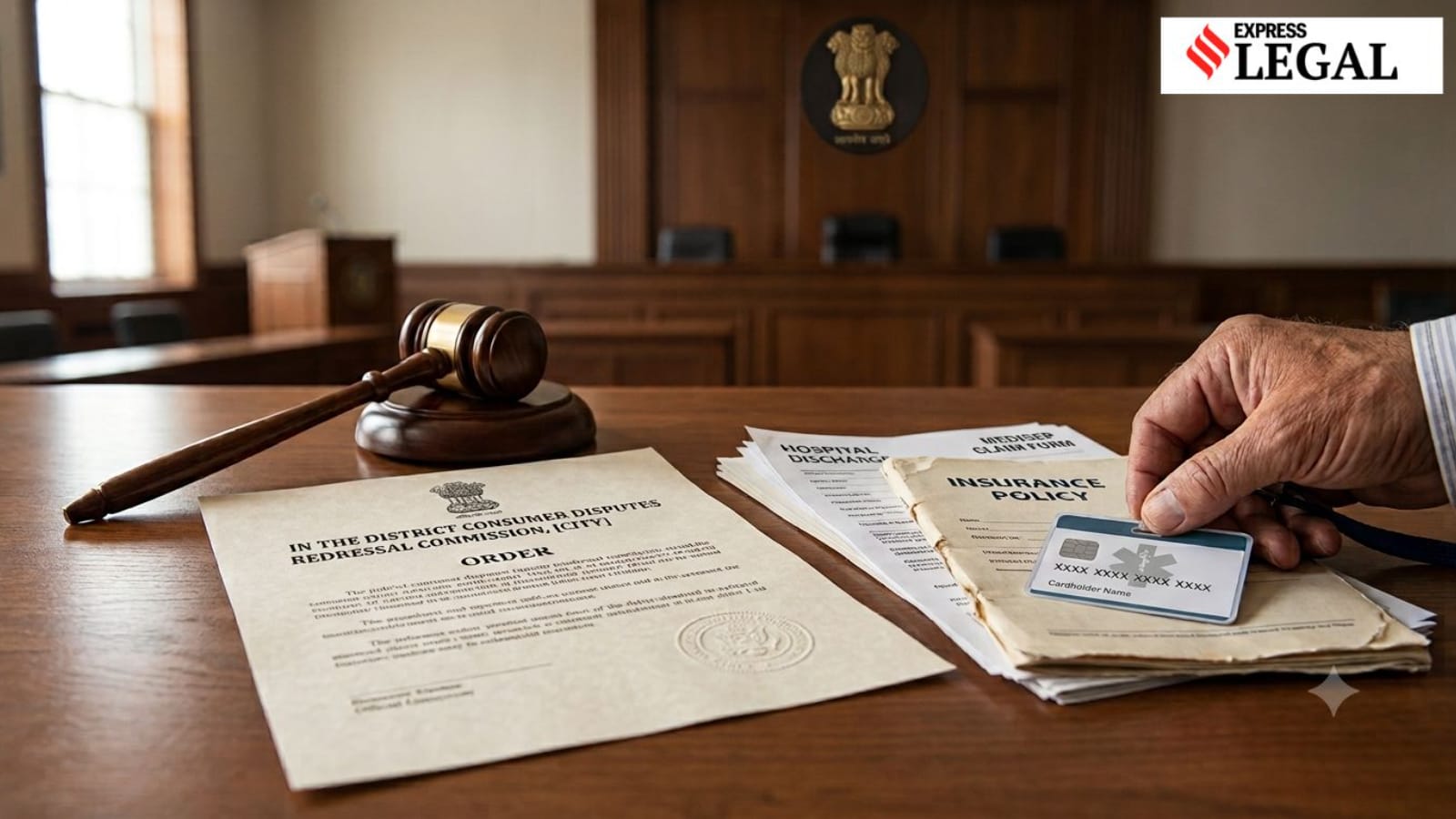
District Consumer Commissions in India have recently ruled in favor of policyholders in three separate cases of insurance claim denials. These rulings emphasize the accountability of banks and insurers in service delivery, premium management, and the fair assessment of pre-existing conditions.
Consumer Justice: Landmark Rulings Against Insurance Negligence
Recent directives from various District Consumer Dispute Redressal Commissions across India signal a significant shift in consumer protection within the financial and insurance sectors. In three distinct cases—ranging from the Amritsar District Consumer Commission to the Kannur District Consumer Dispute Redressal Commission and the Sri Muktsar Sahib Commission—authorities have held banks and insurance providers accountable for deficiencies in service, unfair trade practices, and the arbitrary denial of life and medical insurance claims.
The Duty of Care in Premium Management
The Amritsar District Consumer Commission’s decision to penalize a bank for failing to notify a customer about a failed premium deduction under the Pradhan Mantri Jeevan Jyoti Bima Yojana (PMJJBY) underscores the fiduciary duty banks owe to their clients. By failing to inform the account holder of insufficient funds, the bank effectively allowed the policy to lapse, leaving the family of the deceased vulnerable during a crisis. The Commission’s ruling establishes that 'reasonable care' is not optional; it is a fundamental requirement of the service agreement.
Challenges in Medical Insurance Implementation
Similarly, the Kannur Commission’s intervention regarding the Medical Insurance Scheme for State Employees and Pensioners (MEDISEP) highlights the growing friction between beneficiaries and third-party administrators (TPAs). When a police department employee was forced to pay out-of-pocket for emergency treatment that was contractually covered, it constituted an unfair trade practice. This case serves as a warning to insurance administrators that the mere existence of a government-backed scheme does not absolve them from the obligation to honor claims for empanelled hospital services.
Pre-Existing Conditions and Legal Precedents
Perhaps the most complex issue addressed is the denial of life insurance claims based on 'pre-existing conditions.' The Sri Muktsar Sahib Commission’s ruling against the Life Insurance Corporation of India (LIC) reinforces a crucial legal principle: individuals cannot always be expected to know they suffer from 'silent diseases' before a medical diagnosis occurs. By citing National Consumer Disputes Redressal Commission and High Court precedents, the Commission has effectively limited the ability of insurers to use vague health exclusions as a shield to avoid paying legitimate death benefits.
Broader Implications for the Insurance Sector
These rulings collectively indicate a trend where consumer courts are becoming increasingly skeptical of corporate excuses for claim repudiation. For the insurance industry, this necessitates more transparent communication protocols and more rigorous, evidence-based underwriting processes. For consumers, it provides a vital safety net, ensuring that policies purchased in good faith are not rendered useless by administrative negligence or predatory claim denial strategies.
Future Trends in Consumer Advocacy
As digital banking and automated insurance systems become more prevalent, the potential for 'systemic failure'—such as missed automated deductions—will likely rise. We can expect future consumer litigation to focus heavily on the accountability of automated systems. These recent judgments establish a strong precedent that technological or administrative hurdles are not valid excuses for service deficiencies, ultimately forcing insurers to prioritize consumer rights over profit margins.
Multiple Citing Sources