2012 Sowjanya rape-murder: How the case was botched, why Supreme Court has ordered fresh probe
Source Entity
Mustafa Plumber
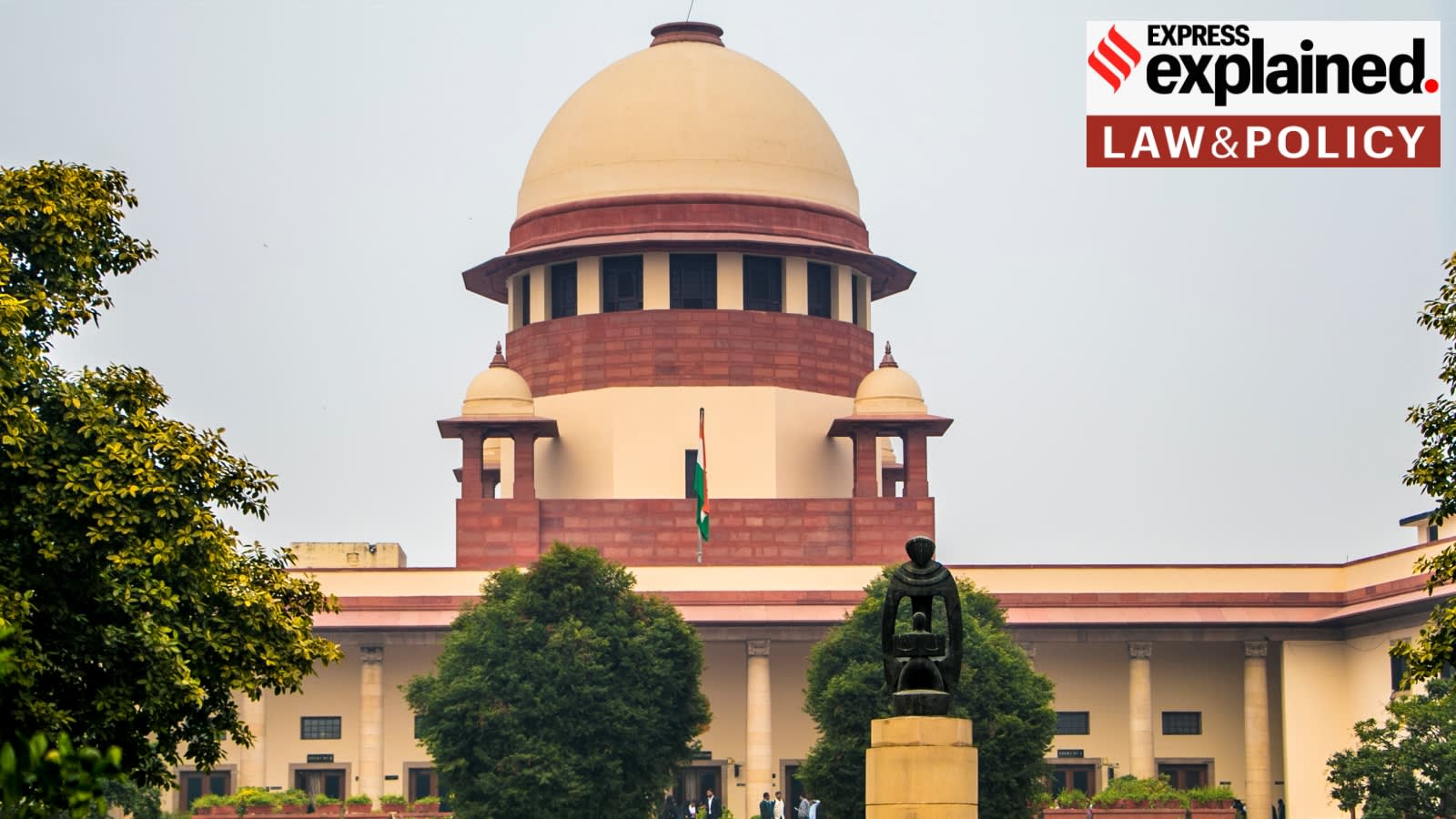
The Supreme Court has ordered a fresh probe into the 2012 rape and murder of a 17-year-old in Dharmasthala, Karnataka, following the acquittal of the sole suspect. This decision overturns a previous Karnataka High Court ruling and addresses years of controversy surrounding the botched investigation.
The Quest for Justice: Supreme Court Orders Fresh Probe into 2012 Sowjanya Case
A Decade of Legal Uncertainty
The Supreme Court's decision on September 21 to mandate a fresh investigation into the 2012 rape and murder of 17-year-old Sowjanya marks a significant turning point in a case that has haunted the Dakshina Kannada district for over a decade. The victim, a college student from a region near the prominent temple town of Dharmasthala, became the face of a protracted struggle for justice after her life was tragically cut short. The initial handling of the case, which involved three separate investigative agencies, has been widely criticized as 'botched,' leading to a deep erosion of public trust in the regional law enforcement apparatus.
The Failure of Initial Investigations
Following the discovery of Sowjanya's body, authorities quickly arrested a lone suspect described as a mentally unwell man. This arrest, while providing an immediate focal point for the investigation, ultimately proved insufficient to secure a conviction. In June 2023, a special CBI court acquitted the individual, explicitly noting the total lack of credible evidence linking him to the crime. This acquittal highlighted the systemic failures of the investigative process, which had seemingly prioritized a quick arrest over the rigorous collection of forensic evidence and the pursuit of a broader investigation.
Judicial Hurdles and the Path to the Supreme Court
The path to the current Supreme Court order was far from straightforward. After the CBI court's acquittal, the victim's family continued their relentless pursuit of justice, seeking a reinvestigation into the circumstances of her death. Their plea was initially dismissed by the Karnataka High Court in 2024, a decision that effectively stalled the momentum of the case. By challenging this dismissal in the Supreme Court, the family successfully argued for the necessity of a judicial intervention to rectify the errors of the past and ensure that the real perpetrators of this heinous crime are identified.
Broader Implications for Criminal Justice
This case serves as a grim reminder of the challenges inherent in India's criminal justice system, particularly concerning crimes against women in rural or semi-urban areas. The involvement of three different agencies without a successful resolution underscores the need for better inter-agency coordination and specialized training in handling sensitive cases. The Supreme Court's intervention is not merely a procedural step but a signal that the highest judiciary is willing to oversee cases where lower courts and investigative bodies have failed to provide closure or accountability.
Future Trends and Outlook
Moving forward, the fresh probe is expected to be under intense public and judicial scrutiny. The success of this new investigation will likely depend on the application of modern forensic techniques that may have been overlooked or unavailable in 2012. As the nation watches, this case may set a precedent for how 'botched' cold cases are reopened and handled in the future. The Supreme Court's commitment to setting aside the High Court's dismissal reflects a growing judicial emphasis on ensuring that justice is not just a theoretical concept, but an achievable reality for victims' families, regardless of the time elapsed.