Toll plaza ‘double-charges’ him, refuses refund, Haryana man wins Rs 6,800
Source Entity
Jagriti Rai
Two separate Indian consumer commissions have ruled in favor of citizens against service providers, penalizing a toll plaza for double-charging and an e-scooter company for false mileage claims. These verdicts highlight the growing efficacy of consumer dispute redressal mechanisms in holding corporations accountable.
Strengthening Consumer Rights: A Landmark Week for Accountability in India
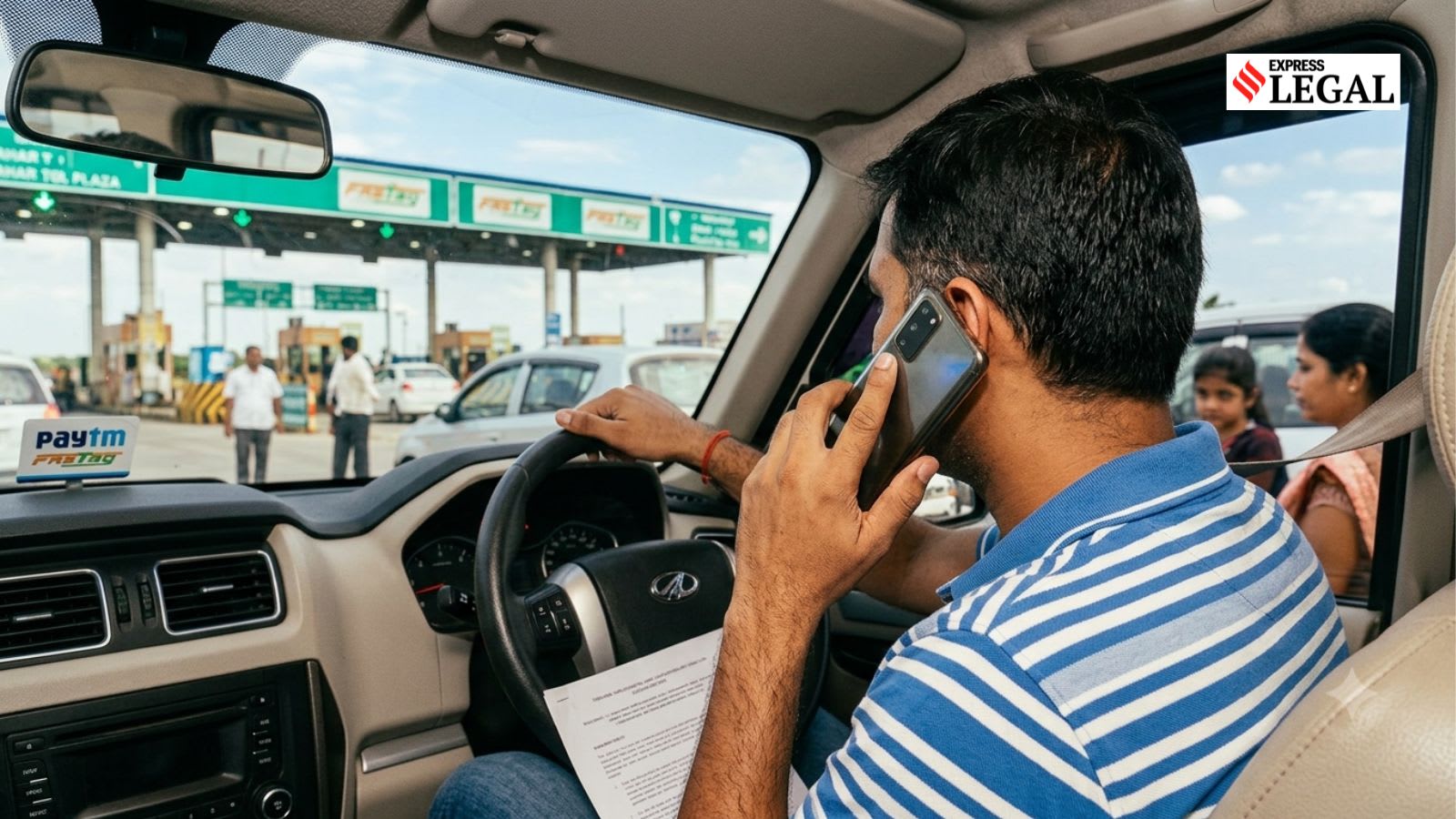
Recent rulings by consumer commissions in Haryana and Kerala underscore a pivotal shift in the Indian landscape, where individual consumers are successfully challenging corporate discrepancies. In the first instance, the Panipat District Consumer Disputes Redressal Commission held a toll plaza and its construction firm accountable for a 'double-charging' incident. By simultaneously accepting cash and deducting funds from a Paytm wallet, the service provider created a clear case of deficiency, resulting in a penalty of Rs 6,800 for the complainant.
The Mechanics of Service Deficiency
The Panipat commission’s decision rested on empirical evidence: the complainant provided clear documentation, including digital transaction records and physical receipts. This case highlights the importance of digital literacy and record-keeping for modern consumers. When service providers operate with opaque billing practices, the commission’s intervention serves as a necessary check, ensuring that automated systems—like those used in toll collection—do not become tools for inadvertent or predatory overcharging.
Addressing the Electric Vehicle Mileage Gap
Simultaneously, the Palakkad District Consumer Disputes Redressal Commission addressed a significant grievance regarding electric vehicle (EV) performance. In a case involving an e-scooter that delivered a mere 16 km range against a promised 85 km, the manufacturer attempted to deflect blame by citing variables such as rider weight, terrain, and riding style. However, the commission rejected these claims, relying on expert findings to confirm a genuine manufacturing defect.
The Broader Implications for the EV Industry
This ruling carries profound weight for India’s burgeoning EV sector. As the government pushes for green energy adoption, manufacturers are often under immense pressure to market optimistic performance metrics. When these promises fail to materialize in real-world conditions, consumer trust is eroded. The Palakkad commission’s order to refund Rs 88,000 and pay additional compensation totaling Rs 1.7 lakh sets a precedent that manufacturers must be transparent about battery performance and technical limitations.
The Evolution of Consumer Redressal
These cases, while distinct, share a common theme: the empowerment of the consumer through legal channels. Historically, the burden of proof often intimidated individuals, leading many to absorb small losses. However, the active stance taken by these district commissions demonstrates that the legal system is increasingly responsive to evidence-based claims. This shift encourages consumers to pursue justice for 'deficiency in service,' regardless of the scale of the financial loss.
Future Trends in Consumer Protection
Looking ahead, we can expect a rise in similar litigation, particularly as digital transactions and new-age tech like EVs become ubiquitous. The trend suggests that service providers and manufacturers will need to adopt more rigorous quality control and transparent billing processes to avoid the reputational and financial costs of consumer litigation. As these precedents gain traction, they serve as a powerful deterrent against deceptive marketing and systemic service failures.