KSRTC told to refund teacher Rs 975 for cancelled bus ticket, pay Rs 20,000
Source Entity
Jagriti Rai
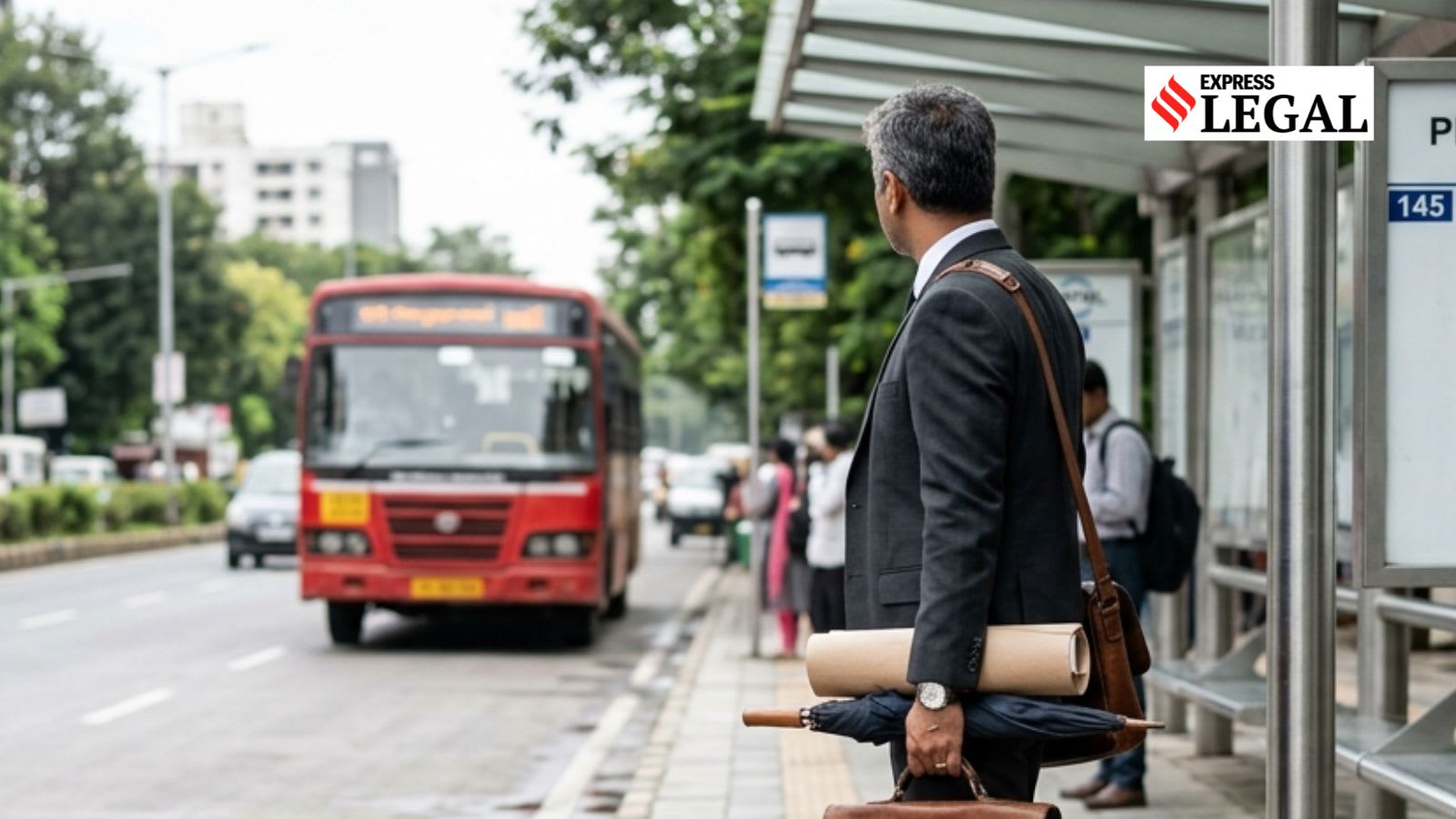
Recent consumer commission rulings in India have penalized KSRTC, a jewellery showroom, and Qatar Airways for service deficiencies. These cases underscore the legal obligation of businesses to facilitate refunds and bear the risks associated with digital payment failures.
Strengthening Consumer Rights: A Review of Recent Rulings
Recent verdicts from various District Consumer Disputes Redressal Commissions across India signal a firm judicial stance on protecting consumer rights against service deficiencies. From public transport disputes and digital payment failures to complex international travel cancellations, these cases highlight the growing trend of holding both state-run entities and private corporations accountable for their operational lapses.
The Accountability of Public and Private Service Providers
In a recent notable case, the Karnataka District Consumer Commission penalized the Karnataka State Road Transport Corporation (KSRTC) for failing to refund a cancelled bus ticket. The bench, led by president Krishna K, clarified that the failure to process a refund for a ticket cancelled well in advance constitutes a clear deficiency in service. This ruling serves as a reminder that state-run transport bodies are bound by the same consumer protection standards as private enterprises, ensuring that public utility customers are not left without recourse.
Digital Payments and Merchant Liability
Parallel to the transport sector, the Ernakulam District Consumer Commission addressed the complexities of the digital economy. By ruling that a jewellery showroom must bear the risk of faulty QR code payments made on their premises, the commission shifted the burden of proof onto the business. This decision is crucial as it addresses the ambiguity surrounding UPI transactions; if a business provides a QR code, they are legally responsible for ensuring the funds reach their intended destination, protecting consumers from technical glitches beyond their control.
Compassion in Contractual Disputes
Perhaps the most significant of these cases involves the Hyderabad consumer commission’s order against Qatar Airways and EaseMyTrip. In a case involving a passenger diagnosed with a brain tumour, the commission rejected the companies' attempt to offer a reduced refund. By ordering a full refund of Rs 1.86 lakh plus interest and additional compensation for mental agony, the commission demonstrated that medical emergencies necessitate a more compassionate and legally compliant approach to cancellation policies, overriding rigid corporate terms.
Broad Implications for Consumer Redressal
These rulings collectively emphasize that 'deficiency in service' is a broad legal umbrella. Whether it is a failure to process a refund, a technical failure in a payment gateway, or a lack of sensitivity toward a medical crisis, the consumer commissions are increasingly awarding not just the principal amount, but also additional compensation for mental distress and litigation costs. These punitive measures are designed to deter businesses from adopting unfair trade practices.
Future Trends in Consumer Protection
Looking forward, these decisions suggest that digital literacy and evidence-based litigation are becoming the cornerstones of consumer protection in India. As more transactions move online, the reliance on digital trails—such as QR payment logs and medical documentation—will become even more vital for complainants. Businesses will likely be forced to improve their customer support infrastructure to avoid the mounting costs of litigation and the reputational damage associated with these public rulings.