Russia Says Delivered $320 Billion Worth Of Hydrocarbons To Europe Since 2022
Source Entity
NDTV News Search Records Found 1000
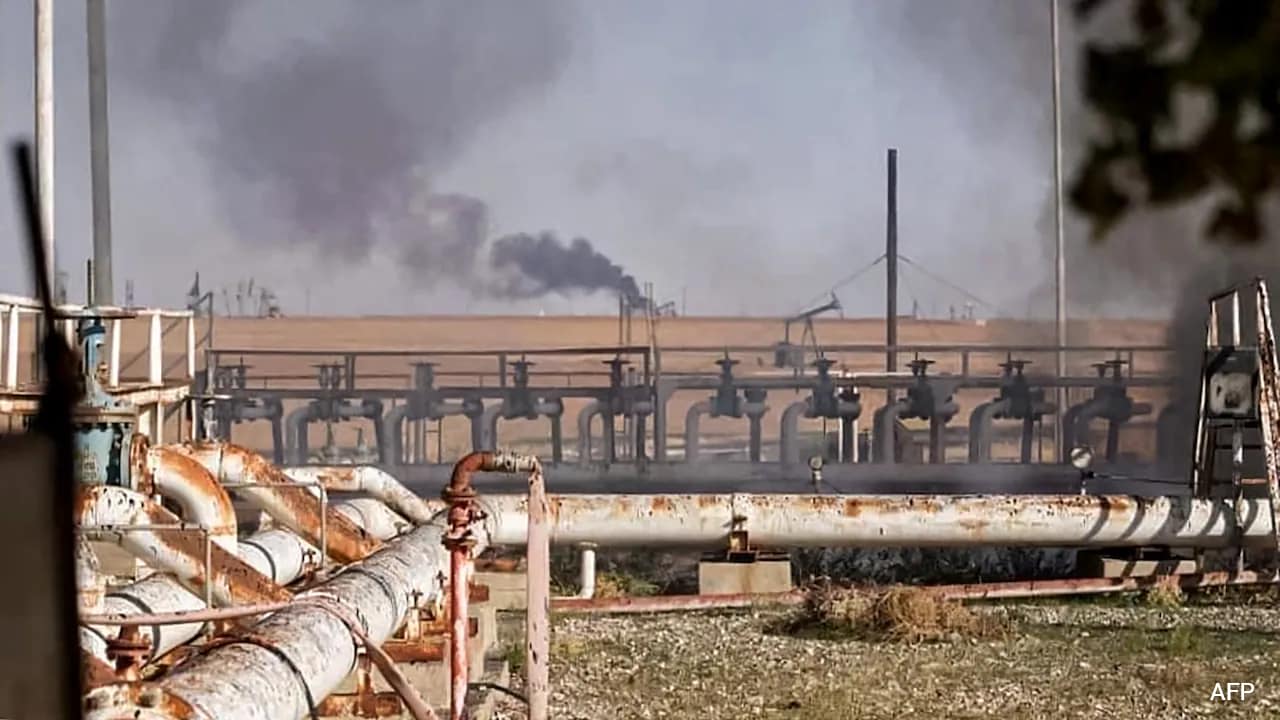
Russia reports supplying $320 billion in hydrocarbons to Europe since 2022 despite geopolitical tensions. Deputy Prime Minister Alexander Novak projects that Russian oil exports could return to pre-war volumes by year-end.
The Resilience of Russian Energy Exports Amid Geopolitical Shifts
Recent statements from Russian Deputy Prime Minister Alexander Novak reveal a significant, if complex, chapter in global energy markets. According to official reports, Russia has successfully delivered $320 billion worth of hydrocarbons to European markets since 2022. This figure underscores the enduring dependency of global energy infrastructure on established supply chains, even as Western nations have actively sought to decouple their economies from Russian energy sources following the invasion of Ukraine.
Analyzing the $320 Billion Valuation
The $320 billion figure serves as a critical indicator of the volume and price volatility that has defined the energy sector over the past two years. While many European nations implemented sanctions and sought alternative suppliers like the United States, Norway, and Qatar, the sheer volume of existing infrastructure—such as pipelines and refined product logistics—made an instantaneous transition impossible. This financial data suggests that the transition away from Russian energy has been more of a gradual recalibration than a sudden cessation.
The Projection of Pre-War Export Levels
Perhaps the most striking aspect of the recent update is Novak’s assertion that Russian oil exports are on track to reach pre-war levels by the end of the current year. This projection implies a high degree of adaptability within the Russian energy sector, which has increasingly pivoted toward Asian markets, specifically China and India, to mitigate the impact of reduced European demand. The ability to reroute crude flows at such scale demonstrates the fluidity of global commodity markets and the limitations of restrictive trade policies when applied to essential global resources.
Broader Economic Implications
The stabilization of Russian export volumes has significant implications for the global oil price floor. By maintaining output, Russia continues to exert influence over the supply-demand balance of the global energy market. For European economies, the transition has been costly, often requiring the purchase of energy at higher premiums from alternative sources. This economic friction has contributed to inflation and shifts in industrial productivity across the continent.
Future Trends and Market Dynamics
Looking forward, the energy landscape is likely to remain bifurcated. The focus for Russia will remain on maintaining logistical efficiency to reach emerging markets, while Europe continues to invest in renewable energy and diversified natural gas sourcing to ensure long-term energy security. The goal of reaching pre-war export levels by year-end suggests that Russia has effectively navigated the initial shock of international sanctions, setting the stage for a long-term shift in how energy is traded globally.
Conclusion
In summary, the assertion that Russia has maintained a $320 billion trade volume in hydrocarbons highlights the persistent reality of global energy interdependencies. As Russia works toward restoring export levels, the global community is reminded that energy policy is inextricably linked to geopolitical strategy. The coming months will be a decisive period in determining whether these export targets are met and how the global energy market adjusts to this new, more complex status quo.
Verification Required?